
Chloride: The Complete Supplement Guide
On this page
Quick Reference Card
Attribute
Common Name
- Detail
- Chloride
Attribute
Other Names / Aliases
- Detail
- Cl, chloride ion (Cl-), chloride anion
Attribute
Category
- Detail
- Major Mineral (Macromineral), Electrolyte
Attribute
Primary Forms & Variants
- Detail
- Sodium chloride (NaCl, table salt; 60.7% chloride by weight; most common dietary source); Potassium chloride (KCl, salt substitute; 47.6% chloride by weight); Magnesium chloride (MgCl2; 74.5% chloride by weight); Calcium chloride (CaCl2); Ammonium chloride (NH4Cl)
Attribute
Typical Dose Range
- Detail
- Not typically supplemented independently. Chloride intake is almost entirely determined by sodium chloride (salt) and potassium chloride consumption. AI for adults: 2,300 mg/day (IOM 2005)
Attribute
RDA / AI / UL
- Detail
- AI (IOM 2005): Adults 14-50: 2,300 mg/day; Adults 51-70: 2,000 mg/day; Adults 71+: 1,800 mg/day. UL (IOM 2005): 3,600 mg/day for adults. No RDA established. EFSA (2019): Adults: 3,100 mg/day (safe and adequate).
Attribute
Common Delivery Forms
- Detail
- Table salt, sea salt, Himalayan salt, potassium chloride salt substitute, electrolyte powders, electrolyte tablets, IV solutions (clinical)
Attribute
Best Taken With / Without Food
- Detail
- Consumed with food as part of salt/seasoning. No special timing requirements for chloride specifically
Attribute
Key Cofactors
- Detail
- Sodium (primary paired cation in NaCl; chloride balance is tightly linked to sodium balance), Potassium (secondary paired cation; KCl used as salt substitute), Bicarbonate (reciprocal relationship in acid-base balance)
Attribute
Storage Notes
- Detail
- Sodium chloride (table salt) is stable and hygroscopic; store in a dry place. Potassium chloride is more hygroscopic; keep containers tightly sealed
Overview
The Basics
Chloride is a major mineral and one of your body's essential electrolytes, yet it rarely receives the attention given to its more famous partners, sodium and potassium. If sodium is the lead actor in the electrolyte story, chloride is the indispensable co-star doing half the work behind the scenes. Chloride makes up approximately 70% of the negatively charged ions in your blood and the fluid surrounding your cells, making it the most abundant anion in your extracellular fluid [1][2].
Your body contains roughly 115 grams of chloride, about 0.15% of your total body weight. Most of this chloride resides in your blood and the fluid between your cells, where it works alongside sodium and potassium to maintain fluid balance, regulate blood pressure, and keep the acid-base balance of your blood within the narrow range your cells need to function [1][2][3].
Chloride also has a role that sets it apart from other electrolytes: it is the essential ingredient in your stomach acid. The hydrochloric acid (HCl) your stomach produces to digest food and protect against harmful microorganisms requires chloride. Without adequate chloride, your body cannot produce stomach acid effectively, which can impair digestion and nutrient absorption [2][4].
For most people, chloride intake is not something that requires separate attention. The vast majority of dietary chloride comes from sodium chloride (table salt) and the salt added to processed foods. Because the average person consumes more salt than recommended, chloride deficiency from dietary shortfall is extremely rare. When chloride levels do drop too low, it is almost always due to medical conditions or medications rather than insufficient dietary intake [1][3][5].
The Science
Chloride (Cl-) is a monovalent anion with atomic number 17 and an atomic weight of 35.45 g/mol. It is the most abundant extracellular anion, accounting for approximately 70% of total anions in the extracellular fluid (ECF), with a normal serum concentration maintained within a narrow range of 97-107 mmol/L [1][2].
The total body chloride content in a 70 kg adult is approximately 115 g (approximately 33 mmol/kg body weight), distributed primarily between the extracellular compartment (blood plasma and interstitial fluid) and intracellular compartments at substantially lower concentrations. Intracellular chloride concentration varies by cell type, ranging from 3-4 mM in muscle cells to approximately 70 mM in erythrocytes [2].
Chloride homeostasis is tightly coupled to sodium homeostasis through the renin-angiotensin-aldosterone system (RAAS) and cortisol. Renal excretion of chloride is coupled to that of sodium and potassium, with approximately 99% of filtered chloride being reabsorbed in the renal tubules [2][3]. In the proximal tubule and ascending loop of Henle, chloride is reabsorbed via Na-K-2Cl cotransporters (NKCC2), thiazide-sensitive NaCl cotransporters (NCC), and paracellular pathways. Aldosterone regulates distal nephron sodium and chloride handling through epithelial sodium channels (ENaC) and pendrin (a Cl-/HCO3- exchanger) [2].
Beyond its osmotic and electrochemical roles, chloride serves several specific physiological functions: it is the substrate for gastric HCl production by parietal cells via the H+/K+-ATPase proton pump; it contributes to innate immune defense through neutrophil production of hypochlorous acid (HClO) via myeloperoxidase; and it modulates neuronal excitability through ligand-gated chloride channels, including GABAA and glycine receptors [2][4].
Chemical & Nutritional Identity
Property
Chemical Name
- Value
- Chloride (as ion: Cl-); Chlorine (elemental)
Property
Symbol
- Value
- Cl
Property
Atomic Number
- Value
- 17
Property
Atomic Weight
- Value
- 35.45 g/mol
Property
CAS Number
- Value
- 16887-00-6 (chloride ion); 7647-14-5 (sodium chloride)
Property
PubChem CID
- Value
- 312 (chloride ion)
Property
Category
- Value
- Major mineral (macromineral); electrolyte; halide anion
Property
Biological Form
- Value
- Cl- (chloride anion) in biological fluids
Property
AI (IOM 2005, Adults 14-50)
- Value
- 2,300 mg/day
Property
AI (IOM 2005, Adults 51-70)
- Value
- 2,000 mg/day
Property
AI (IOM 2005, Adults 71+)
- Value
- 1,800 mg/day
Property
AI (EFSA 2019, Adults)
- Value
- 3,100 mg/day
Property
AI (D-A-CH 2017, Adults)
- Value
- 2,300 mg/day
Property
UL (IOM 2005, Adults)
- Value
- 3,600 mg/day
Property
Normal Serum Range
- Value
- 97-107 mmol/L
Chloride Content by Common Salt Form
Salt Form
Sodium chloride (NaCl)
- Chloride Content (% by weight)
- 60.7%
- Notes
- Table salt; primary dietary source
Salt Form
Potassium chloride (KCl)
- Chloride Content (% by weight)
- 47.6%
- Notes
- Salt substitute; provides potassium
Salt Form
Magnesium chloride (MgCl2)
- Chloride Content (% by weight)
- 74.5%
- Notes
- Supplement form for magnesium
Salt Form
Calcium chloride (CaCl2)
- Chloride Content (% by weight)
- 63.9%
- Notes
- Industrial/clinical use
Salt Form
Ammonium chloride (NH4Cl)
- Chloride Content (% by weight)
- 66.3%
- Notes
- Rarely used as supplement
Mechanism of Action
The Basics
Chloride works in your body through several connected roles, all revolving around the fact that it carries a negative electrical charge. This charge makes chloride the perfect partner for positively charged ions like sodium and potassium, and their movements are tightly linked throughout your body.
The most fundamental role of chloride is helping to maintain the electrical balance across your cell membranes. Your cells maintain precise differences in ion concentrations between their interior and exterior, and chloride is the primary negative ion that balances the positive charges of sodium (outside the cell) and potassium (inside the cell). This electrical balance is what allows your nerves to transmit signals and your muscles to contract [1][2].
Chloride also plays a key role in how your body manages fluids. Water follows electrolytes, so the movement of chloride (along with sodium) between compartments directly influences how much water is in your blood vessels, between your cells, and inside your cells. This is why excessive salt (sodium chloride) intake leads to fluid retention and increased blood pressure [2][3][5].
Perhaps chloride's most distinctive role is in your stomach, where specialized cells called parietal cells use chloride to produce hydrochloric acid (HCl). This powerful acid breaks down proteins, activates digestive enzymes like pepsin, kills harmful bacteria in your food, and helps your body absorb minerals like iron and calcium. The chloride concentration in your stomach fluid (about 150 mM) is substantially higher than in your blood (about 100 mM), meaning your body actively pumps chloride into the stomach against a concentration gradient [2][4].
The Science
Chloride participates in physiological processes through several mechanisms [2][4]:
Osmotic and fluid balance: Chloride is the principal compensatory anion for Na+ and K+ movement. Together with sodium, it determines the osmolality and volume of the extracellular fluid. Changes in chloride and sodium concentrations directly influence water movement between compartments via osmotic gradients, affecting blood volume and blood pressure [2][3].
Acid-base balance: Chloride and bicarbonate (HCO3-) have a reciprocal relationship in maintaining blood pH. When chloride is lost (as in prolonged vomiting of gastric contents), bicarbonate increases proportionally to maintain electroneutrality, resulting in metabolic alkalosis. Conversely, excess chloride (as in aggressive normal saline administration) displaces bicarbonate, producing hyperchloremic metabolic acidosis [2][5].
Gastric acid production: Parietal cells in the gastric mucosa secrete HCl via the H+/K+-ATPase (proton pump) at the apical membrane and chloride channels (including calcium-activated chloride channels, CFTR, and ClC-2) at the apical and basolateral membranes. Na+/K+-ATPase pumps and Na+/K+/Cl- cotransporters move chloride across basolateral membranes. The resulting gastric pH of 1.5-3.5 activates pepsinogen to pepsin, denatures dietary proteins, and provides bactericidal defense [2][4].
Neuronal signaling: Ligand-gated chloride channels, particularly GABAA receptors and glycine receptors, mediate inhibitory neurotransmission in the central nervous system. GABA binding opens the GABAA receptor channel, allowing chloride influx (in mature neurons where intracellular Cl- is maintained below equilibrium by KCC2 transporters), hyperpolarizing the neuron and reducing excitability [2].
Innate immunity: Neutrophils generate hypochlorous acid (HClO) via the myeloperoxidase-H2O2-chloride system. HClO is a potent oxidant that kills phagocytosed bacteria, fungi, and viruses. This represents a direct antimicrobial function of chloride ions [2][4].
Chloride shift (Hamburger phenomenon): In erythrocytes, the band 3 protein (AE1 anion exchanger) facilitates rapid Cl-/HCO3- exchange. In peripheral tissues, CO2 enters red blood cells and is converted to HCO3- by carbonic anhydrase; the generated HCO3- is exchanged for Cl-. The process reverses in the lungs. This mechanism is critical for CO2 transport and blood pH regulation [2].
Absorption & Bioavailability
The Basics
Chloride is one of the most efficiently absorbed nutrients. Your body absorbs virtually all of the chloride you consume from food and salt, with absorption occurring primarily in your small intestine. Unlike many minerals where absorption rates vary dramatically depending on form, food interactions, or other nutrients, chloride absorption is straightforward and reliable [1][3].
Once absorbed, chloride moves freely in your bloodstream. Your kidneys are the primary regulators of chloride balance, with the ability to adjust how much chloride they retain or excrete based on your body's needs. About 99% of the chloride filtered by your kidneys is reabsorbed, with only a small fraction excreted in urine. This efficient reabsorption is coupled to sodium reabsorption and regulated by aldosterone [2][3].
Chloride is also lost through sweat and, when present, through vomiting or diarrhea. The chloride content of sweat varies considerably between individuals and with acclimatization to heat, but heavy or prolonged sweating can produce meaningful chloride losses. Gastrointestinal losses can be particularly significant because gastric fluid contains very high chloride concentrations [2][5].
The Science
Chloride absorption occurs primarily in the small intestine via three mechanisms [2][4]:
- Paracellular (passive) pathway: Chloride moves between epithelial cells along concentration gradients and through solvent drag
- Electroneutral pathway: Coupled Na+/H+ and Cl-/HCO3- exchange at the apical membrane of enterocytes
- Carbonate-dependent pathway: Cl- absorption coupled to carbonate secretion
Absorption efficiency is high (approaching 98-99% of ingested chloride) and is not significantly modulated by dietary factors such as phytate or oxalate, unlike many divalent mineral cations [1][3].
Renal handling: Chloride is freely filtered at the glomerulus. Reabsorption occurs at multiple nephron segments: approximately 50-60% in the proximal convoluted tubule (via paracellular pathways and Cl-/anion exchangers); approximately 25-30% in the thick ascending limb of the loop of Henle (via the NKCC2 Na+/K+/2Cl- cotransporter); and smaller amounts in the distal convoluted tubule (via the NCC Na+/Cl- cotransporter) and collecting duct (via pendrin Cl-/HCO3- exchanger) [2].
Because of its tight homeostatic regulation, serum chloride concentration is not a sensitive marker of chloride intake or status. Values outside the normal reference range (97-107 mmol/L) typically reflect disorders affecting water and electrolyte balance rather than dietary insufficiency [1][3].
Research & Clinical Evidence
Blood Pressure
The Basics
The relationship between salt and blood pressure is well established, but a nuanced question within this field is whether chloride itself contributes independently to blood pressure effects, or whether the effect is driven entirely by sodium. Research suggests that the answer may involve both ions. Studies in hypertensive animal models have shown that the full expression of sodium chloride-dependent blood pressure elevation requires the presence of both sodium and chloride together. Sodium given with non-chloride anions (such as sodium bicarbonate or sodium citrate) does not produce the same degree of blood pressure increase [3][5].
This finding has practical implications. It suggests that the form of sodium matters: sodium chloride (table salt) may have a greater blood pressure impact than other sodium salts. Conversely, replacing some sodium chloride with potassium chloride in salt substitutes has been shown to reduce blood pressure and cardiovascular events, though this effect is likely attributable primarily to the potassium rather than the chloride [3][5].
The Science
Animal studies in Dahl salt-sensitive rats demonstrated that sodium chloride produced a greater blood pressure increase than equimolar sodium with non-chloride anions (bicarbonate, phosphate, or citrate), suggesting a permissive role of chloride in salt-sensitive hypertension [3][5].
Clinical observations support this pattern in humans, though direct intervention studies isolating chloride from sodium are limited. The EFSA panel (2019) concluded: "There is evidence that chloride can contribute to the effect of sodium chloride on blood pressure. Data from studies on hypertensive rats, and some clinical observations, suggest that the full expression of sodium chloride-dependent elevation in blood pressure relies on the concomitant presence of both sodium and chloride" [3].
The mechanistic basis may involve chloride-dependent regulation of the renin-angiotensin-aldosterone system. Chloride delivery to the macula densa of the juxtaglomerular apparatus influences renin secretion via tubuloglomerular feedback. Reduced chloride delivery stimulates renin release, potentially contributing to sodium retention and blood pressure elevation [2][5].
Cardiovascular Outcomes (Serum Chloride)
The Basics
An emerging area of research examines whether blood chloride levels (not dietary chloride intake) are linked to heart outcomes. Several observational studies have found that low blood chloride levels (hypochloremia) are associated with worse outcomes in people with heart failure. This is likely because hypochloremia often co-occurs with other metabolic disturbances and serves as a marker of disease severity rather than a direct cause of harm [2].
The Science
A growing body of observational evidence identifies hypochloremia as an independent predictor of mortality in patients with heart failure and decompensated cirrhosis. A 2025 study found associations between serum chloride levels and mortality outcomes, with hypochloremia increasing the release of renin by reducing chloride transport in the macula densa [5]. However, serum chloride concentration reflects complex metabolic interactions rather than dietary intake, and cannot be used to infer effects of supplemental or dietary chloride [3].
Gastric Function
The Basics
Chloride's role in stomach acid production is well established at the physiological level. Adequate chloride is required for normal gastric acid secretion, which in turn supports protein digestion, mineral absorption (including iron, calcium, and zinc), and defense against ingested pathogens. When chloride levels drop significantly (as can happen with prolonged vomiting, certain medications, or rare genetic conditions), gastric acid production is impaired [2][4].
The Science
Parietal cell HCl secretion depends on apical H+/K+-ATPase activity and basolateral Cl- uptake via Na+/K+/2Cl- cotransporters and Cl-/HCO3- exchangers. The gastric lumen Cl- concentration reaches approximately 150 mM, substantially exceeding plasma levels. Chloride secretion involves multiple apical Cl- channels including CFTR, calcium-activated Cl- channels (CaCC/TMEM16A/ANO1), and ClC-2 [2][4].
Dietary chloride deficiency severe enough to impair gastric function is exceptionally rare, having been documented primarily in formula-fed infants receiving chloride-deficient products and in patients on chloride-deficient enteral nutrition [3].
Evidence & Effectiveness Matrix
Community-Reported Effectiveness
Community data not available. Chloride is not supplemented as a standalone compound, so no community-reported effectiveness data specific to chloride exists. Community discussion of electrolyte supplements (sodium chloride, potassium chloride, electrolyte powders) focuses on sodium, potassium, and magnesium as the active ingredients, with chloride treated as a passive counterion.
Evidence-Based Assessment
Category
Blood Pressure
- Evidence Strength
- Moderate
- Direction
- Mixed
- Confidence
- Medium
- Notes
- Chloride contributes to NaCl-mediated BP effects; independent role uncertain
Category
Heart Health
- Evidence Strength
- Low-Moderate
- Direction
- Observational
- Confidence
- Low
- Notes
- Serum hypochloremia associated with worse heart failure outcomes; reflects disease severity
Category
Gut Health
- Evidence Strength
- High (physiological)
- Direction
- Positive
- Confidence
- High
- Notes
- Essential substrate for gastric HCl production; well-established biochemistry
Category
Immune Function
- Evidence Strength
- Moderate (physiological)
- Direction
- Positive
- Confidence
- Medium
- Notes
- Required for neutrophil HClO production; mechanistic evidence strong
Category
Fluid Retention
- Evidence Strength
- High (physiological)
- Direction
- Neutral
- Confidence
- High
- Notes
- Co-determines ECF volume with sodium; excess NaCl causes fluid retention
Interactions & Compatibility
Synergistic
- Sodium: Chloride's primary paired cation. Almost all dietary chloride comes as sodium chloride. The two are inseparable in physiological regulation, with coupled renal handling via RAAS.
- Potassium: Potassium chloride is the primary salt substitute form. KCl provides both potassium (which opposes sodium's blood pressure effects) and chloride. The Na+/K+/2Cl- cotransporter links all three ions in renal physiology.
- Bicarbonate: Chloride and bicarbonate maintain reciprocal balance for acid-base homeostasis. The chloride shift (Cl-/HCO3- exchange in erythrocytes) is essential for CO2 transport.
Caution / Considerations
- Diuretics (loop and thiazide): These medications increase renal chloride excretion. Loop diuretics (furosemide, bumetanide) inhibit the NKCC2 transporter; thiazide diuretics (hydrochlorothiazide) inhibit the NCC cotransporter. Both can cause hypochloremia, which may lead to metabolic alkalosis and diuretic resistance [2][5].
- Proton pump inhibitors (PPIs): By suppressing H+/K+-ATPase, PPIs reduce gastric acid secretion. While this does not directly deplete chloride, long-term PPI use alters the functional demand for chloride in gastric physiology.
- Calcium: Excessive sodium chloride intake increases urinary calcium excretion. For every 2,300 mg of sodium consumed, approximately 40 mg of calcium is lost in the urine [6]. This is relevant for bone health in populations with marginal calcium intake.
- Magnesium: Magnesium chloride is a supplemental form of magnesium. The chloride content is incidental to the magnesium supplementation goal.
Side Effects & Safety
The Basics
Chloride itself, when consumed through normal food and salt intake, does not cause side effects independent of its paired cations. The side effects typically associated with "too much chloride" are really the effects of too much sodium chloride (salt): elevated blood pressure, fluid retention, and increased cardiovascular risk over time [1][3][5].
Chloride can become problematic in two specific clinical scenarios. Hypochloremia (too little chloride in the blood) can develop from prolonged vomiting, chronic diarrhea, excessive sweating, or use of certain diuretics. Symptoms include muscle weakness, fatigue, difficulty breathing, and metabolic alkalosis. Hyperchloremia (too much chloride in the blood) typically results from severe dehydration, excessive IV saline administration, or metabolic disorders, causing metabolic acidosis [2][3].
For the general population eating a normal diet, chloride safety is effectively a non-issue. Deficiency is extraordinarily rare, and excess is managed by the kidneys in healthy individuals. The IOM set a Tolerable Upper Intake Level (UL) of 3,600 mg/day for adults, which corresponds roughly to the UL for sodium (2,300 mg/day) on a molar basis [1].
The Science
Hypochloremia (serum Cl- below 97 mmol/L) may result from:
- Gastrointestinal losses: prolonged vomiting (loss of HCl-rich gastric fluid), nasogastric suction, diarrhea
- Renal losses: loop and thiazide diuretics, Bartter syndrome, Gitelman syndrome
- Dilutional: heart failure, SIADH, excessive hypotonic fluid intake
- Rare dietary causes: chloride-deficient infant formula (historical cases), chloride-deficient enteral nutrition
Clinical consequences include hypochloremic metabolic alkalosis (due to proportional bicarbonate retention), hypokalemia (enhanced renal potassium secretion in alkalosis), and in severe cases, cardiac arrhythmias [2][3].
Hyperchloremia (serum Cl- above 107 mmol/L) may result from:
- Excessive NaCl intake or IV normal saline administration
- Dehydration (concentration effect)
- Renal tubular acidosis
- Certain medications (acetazolamide, triamterene)
Hyperchloremia produces hyperchloremic metabolic acidosis (non-anion-gap acidosis) with symptoms including tachypnea, fatigue, and in severe cases, hemodynamic instability [2].
Knowing the possible side effects is the first step. Catching them early in your own experience is what keeps a supplement routine safe. Doserly lets you log any symptoms as they arise, tagging them with severity, timing relative to your dose, and whether they resolve on their own or persist.
The app's interaction checker cross-references everything in your stack, supplements and medications alike, flagging known interactions before they become a problem. It also monitors your total intake against established upper limits, alerting you if your combined sources of a nutrient are approaching thresholds where risk increases. Think of it as a safety net that works quietly in the background while you focus on the benefits.
Connect protocol changes to labs and health markers.
Doserly can keep lab results, biomarkers, symptoms, and dose history close together so follow-up conversations have better context.
Insights
Labs and trends
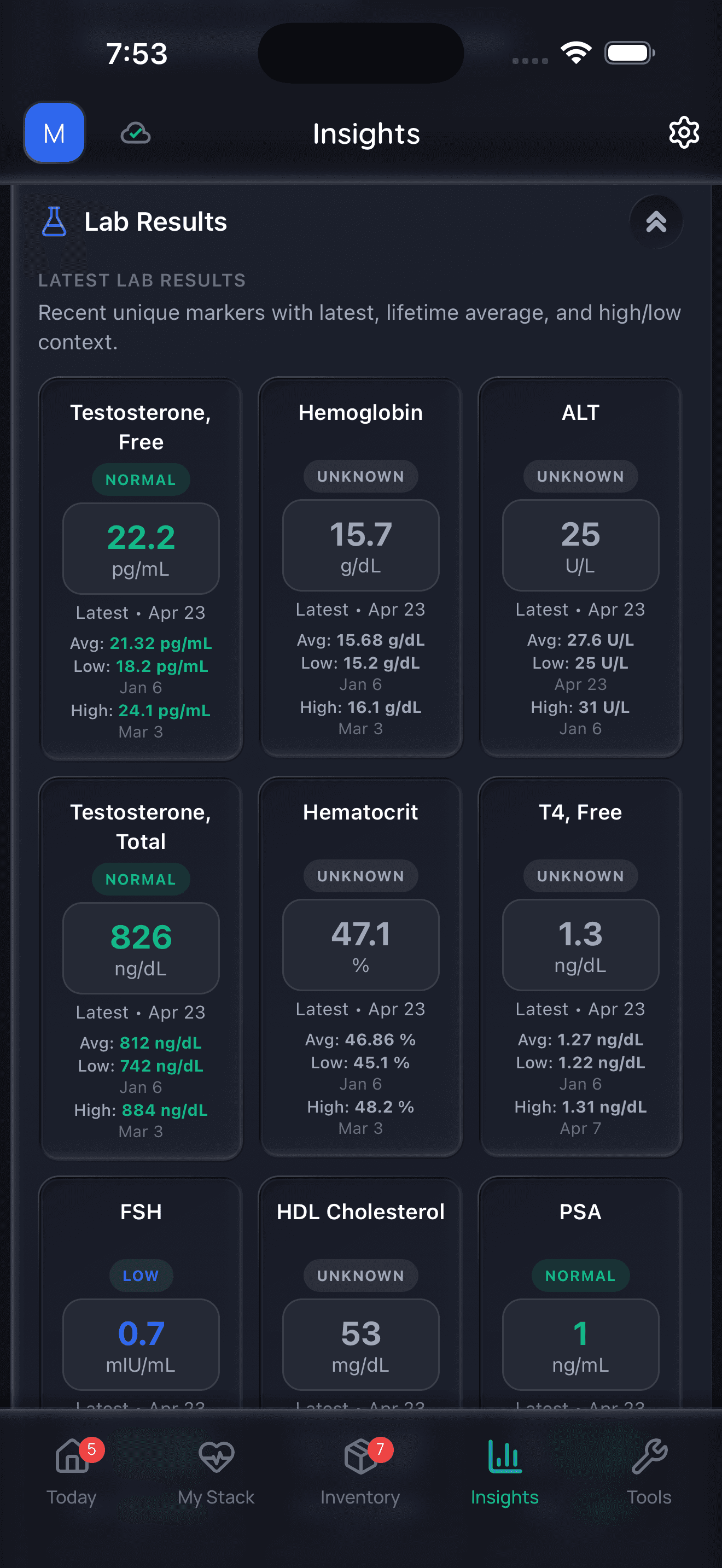
Doserly organizes data; it does not diagnose or interpret labs for you.
Dosing & Usage
The Basics
Chloride is unique among minerals in that it does not have a recommended dose as a standalone supplement. Your chloride intake is almost entirely determined by your salt consumption. The Adequate Intake (AI) for chloride in adults aged 14-50 is 2,300 mg/day, which corresponds to the amount of chloride in approximately one teaspoon (about 6 grams) of table salt [1][3].
In practice, most people in Western countries consume considerably more than this. The average American adult consumes roughly 3,400 mg of sodium per day (from approximately 8.5 grams of salt), which delivers about 5,200 mg of chloride. This far exceeds the AI and even the UL of 3,600 mg/day. The practical dietary guidance for most adults is therefore to reduce salt intake, not to supplement chloride [1][3][5].
The situations where additional chloride may be needed are specific:
- Prolonged, heavy sweating (endurance athletes, outdoor workers in extreme heat)
- Recovery from significant vomiting or diarrhea
- Use of diuretics that deplete chloride
- Very low-sodium diets combined with high physical activity
In these cases, chloride is typically replaced along with sodium and potassium through electrolyte solutions rather than as an isolated chloride supplement [1][5].
The Science
The IOM (2005) established AIs for chloride equimolar to sodium AIs, yielding the following values [1]:
Life Stage
Infants 0-6 months
- Chloride AI (mg/day)
- 180
Life Stage
Infants 7-12 months
- Chloride AI (mg/day)
- 570
Life Stage
Children 1-3 years
- Chloride AI (mg/day)
- 1,500
Life Stage
Children 4-8 years
- Chloride AI (mg/day)
- 1,900
Life Stage
Ages 9-50
- Chloride AI (mg/day)
- 2,300
Life Stage
Ages 51-70
- Chloride AI (mg/day)
- 2,000
Life Stage
Ages 71+
- Chloride AI (mg/day)
- 1,800
Life Stage
Pregnancy
- Chloride AI (mg/day)
- 2,300
Life Stage
Lactation
- Chloride AI (mg/day)
- 2,300
The age-related decline in AI reflects decreased energy requirements and sodium needs in older adults [1][3].
The UL of 3,600 mg/day was established based on the dose-response relationship between sodium chloride intake and blood pressure, mirroring the sodium UL (2,300 mg/day) on an equimolar basis [1].
Getting the dose right matters more than most people realize. Too little may be ineffective, too much wastes money or introduces risk, and inconsistency undermines both. Doserly tracks every dose you take, across every form, giving you a clear record of what you're actually consuming versus what you planned.
The app helps you compare RDA recommendations against therapeutic ranges discussed in the research, so you can see exactly where your intake falls. If you switch forms, say from a standard capsule to a liposomal liquid, Doserly adjusts your tracking to account for different bioavailabilities. Pair that with smart reminders that keep your timing consistent, and the precision that makes a real difference in outcomes becomes effortless.
Turn symptom and safety notes into a clearer timeline.
Doserly helps you log doses, symptoms, and safety observations side by side so patterns are easier to discuss with a qualified clinician.
Pattern view
Logs and observations

Pattern visibility is informational and should be reviewed with a clinician.
What to Expect (Timeline)
Chloride is not a supplement with a "response timeline" in the traditional sense. Because it is consumed continuously through salt in food, your body maintains relatively stable chloride levels at all times (unless disrupted by illness, medications, or extreme fluid losses).
Acute electrolyte replacement (hours): When chloride is depleted due to vomiting, diarrhea, or heavy sweating, electrolyte replacement solutions containing sodium chloride and potassium chloride typically restore normal serum chloride levels within hours to days, depending on the severity of depletion.
Dietary changes (days to weeks): If adjusting salt intake upward or downward, your kidneys adapt chloride excretion within 3-5 days to establish a new steady state. The hormonal systems governing chloride balance (RAAS, cortisol) are highly responsive.
No "loading" or "saturation" phase: Unlike supplements that require weeks to build tissue stores (such as vitamin D or magnesium), chloride is not stored in significant tissue depots and does not have a buildup period. Your body continuously regulates the amount circulating in your blood and excreted by your kidneys.
How to Take / Administration Guide
Chloride does not require standalone supplementation for the vast majority of people. Here are the practical scenarios where chloride intake matters:
Through diet (daily, ongoing):
- Your primary chloride source is table salt (sodium chloride) in prepared and home-cooked food
- Most adults get more than enough chloride from their normal diet
- Salt substitutes (potassium chloride) provide chloride alongside potassium
Electrolyte replacement (as needed):
- During prolonged exercise (over 60-90 minutes), especially in heat, electrolyte drinks or tablets containing sodium chloride help replace sweat losses
- After illness involving vomiting or diarrhea, oral rehydration solutions (ORS) following WHO guidelines contain sodium chloride along with glucose and potassium
- The WHO ORS formula provides 2.6 g/L sodium chloride, 1.5 g/L potassium chloride, 2.9 g/L trisodium citrate, and 13.5 g/L glucose
On low-sodium diets:
- People following medically prescribed low-sodium diets should discuss chloride status with their healthcare provider, particularly if also using diuretics
- Very restrictive sodium diets (below 1,500 mg sodium/day) automatically reduce chloride intake proportionally
No special timing requirements: Unlike many minerals, chloride does not compete for absorption pathways, does not require cofactors for absorption, and can be consumed at any time of day with or without food.
Choosing a Quality Product
Because chloride is not sold as a standalone supplement, quality assessment focuses on the salt or electrolyte product delivering it:
Table salt and sea salt: Look for iodized salt if you need iodine supplementation. All standard table salt (sodium chloride) provides consistent chloride content. "Gourmet" salts (Himalayan pink salt, Celtic sea salt, fleur de sel) provide the same chloride as regular table salt, with trace amounts of other minerals that are nutritionally insignificant at typical consumption levels.
Potassium chloride (salt substitutes): Products like Nu-Salt, Morton Salt Substitute, and NoSalt are essentially pure potassium chloride. Quality differences between brands are minimal, as the compound is simple and standardized.
Electrolyte powders and tablets: Look for products that clearly state sodium, potassium, magnesium, and chloride content per serving. Many electrolyte products significantly underdose potassium and magnesium while providing adequate sodium chloride. Products with USP-verified or NSF-certified ingredients offer additional quality assurance.
Red flags:
- Electrolyte products that do not disclose specific milligram amounts of each electrolyte
- Products claiming proprietary electrolyte blends without transparency
- Heavily marketed electrolyte products with excessive markup over basic ingredients
Food Sources
Chloride is present in virtually all foods containing salt. The following table lists representative sources:
Food Source
Table salt (NaCl), 1 tsp (6g)
- Chloride Content
- ~3,640 mg
- Notes
- Primary dietary source
Food Source
Sea salt, 1 tsp
- Chloride Content
- ~3,500 mg
- Notes
- Similar to table salt
Food Source
Potassium chloride (KCl), 1 tsp
- Chloride Content
- ~3,200 mg
- Notes
- Salt substitute
Food Source
Seaweed, dried, 100g
- Chloride Content
- ~3,000-8,000 mg
- Notes
- Varies by species
Food Source
Soy sauce, 1 tbsp
- Chloride Content
- ~900-1,000 mg
- Notes
- High salt content
Food Source
Olives, 100g
- Chloride Content
- ~1,500-2,000 mg
- Notes
- Brined/salted
Food Source
Celery, raw, 100g
- Chloride Content
- ~100-115 mg
- Notes
- Natural food source
Food Source
Tomatoes, raw, 100g
- Chloride Content
- ~50-60 mg
- Notes
- Natural food source
Food Source
Lettuce, raw, 100g
- Chloride Content
- ~30-50 mg
- Notes
- Natural food source
Food Source
Rye bread, 1 slice
- Chloride Content
- ~200-350 mg
- Notes
- From salt in recipe
Food Source
Milk, 1 cup
- Chloride Content
- ~100 mg
- Notes
- Natural food source
Food Source
Eggs, 1 large
- Chloride Content
- ~70 mg
- Notes
- Natural food source
Most chloride in the typical diet comes not from natural food sources but from sodium chloride added during food processing and cooking. In the United States, approximately 70% of sodium (and therefore chloride) intake comes from processed and restaurant foods [1][3].
Lifestyle Factors
Diet
Your dietary chloride intake is almost entirely determined by your salt consumption. Because the average Western diet provides 150-200% of the chloride AI through salt alone, the primary dietary consideration for most people is moderation rather than supplementation. Whole-food diets naturally lower in processed foods will proportionally reduce chloride (and sodium) intake [1][3].
Exercise and Sweating
Sweat contains approximately 0.5-1.7 g/L of sodium chloride, meaning that prolonged or heavy sweating can produce meaningful chloride losses. The chloride content of sweat varies by individual acclimatization, fitness level, and environmental conditions. Athletes and outdoor workers in hot environments may need to replace chloride losses through electrolyte-containing fluids [5].
Hydration
Adequate hydration supports your kidneys' ability to regulate chloride balance. Both dehydration (which concentrates chloride) and overhydration (which dilutes it) can shift serum chloride levels. For most people, drinking to thirst is sufficient. Athletes engaging in prolonged exercise benefit from electrolyte-containing beverages rather than plain water alone to prevent dilutional effects [2].
Illness
Episodes of vomiting or diarrhea can produce rapid chloride depletion. Vomiting is particularly significant because gastric fluid contains approximately 150 mmol/L chloride. Oral rehydration solutions are the standard of care for replacing electrolyte losses from gastrointestinal illness [2][5].
The lifestyle factors above, nutrition, exercise, sleep, stress, are not just nice-to-haves alongside a supplement routine. They're the foundation that determines whether a supplement can do its job effectively. Doserly lets you track these inputs alongside every supplement in your stack, building a complete picture of what your body is receiving and how it's responding.
With AI-powered health analytics, the app surfaces correlations that are nearly impossible to spot on your own. You might discover that your supplement delivers noticeably better results during weeks when your sleep is consistent, or that exercise timing amplifies the benefits you're tracking. That kind of insight transforms general lifestyle advice into specific, actionable intelligence tailored to your body.
Capture changes while they are still fresh.
Log symptoms, energy, sleep, mood, and other observations alongside protocol events so patterns do not live only in memory.
Trend view
Symptom timeline
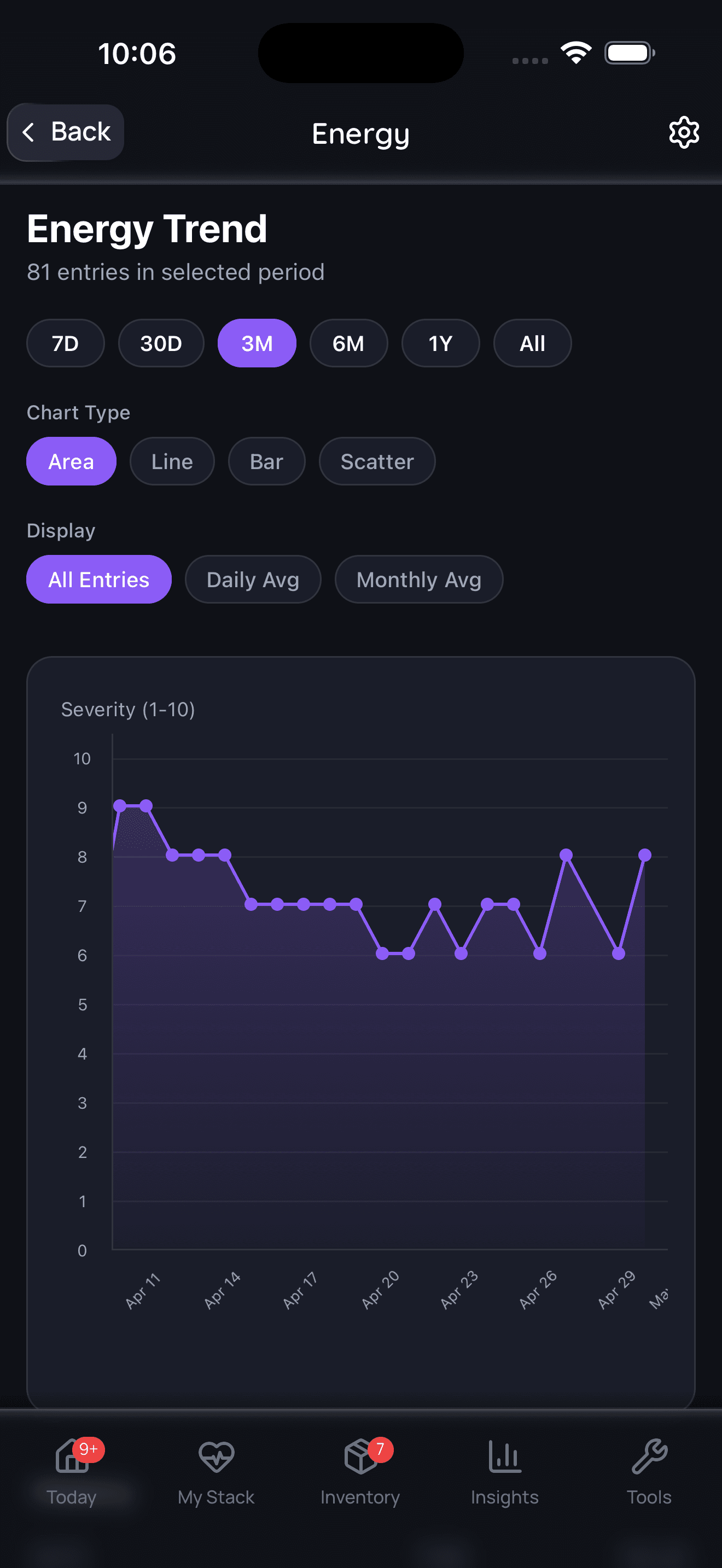
Symptom tracking is informational and should be interpreted with a qualified clinician.
Regulatory Status & Standards
General Regulatory Status
Chloride is classified as an essential mineral nutrient. As a component of sodium chloride (table salt), it is regulated as a food ingredient, not as a dietary supplement. When present in electrolyte supplements or mineral products, it falls under DSHEA dietary supplement regulations in the United States.
FDA
The FDA has established a Daily Value (DV) of 2,300 mg for chloride for adults and children aged 4 and older. Food labels are not required to list chloride content unless chloride has been added to the food.
EFSA
EFSA (2019) set safe and adequate intake values equimolar to sodium: 3,100 mg/day for adults. No UL was established due to insufficient data specific to chloride independent of sodium.
Health Canada
No separate chloride-specific monograph. Chloride reference values follow IOM (2005) DRI values.
Athlete and Sports Regulatory Status
WADA: Chloride and chloride-containing compounds (sodium chloride, potassium chloride) are NOT prohibited by the World Anti-Doping Agency. Electrolyte replacement is permitted at all times, in and out of competition.
National Anti-Doping Agencies (USADA, UKAD, Sport Integrity Canada, Sport Integrity Australia, NADA Germany): No restrictions on chloride or electrolyte supplements.
Professional Leagues (NFL, NBA, MLB, NHL, NCAA): No restrictions on chloride or electrolyte supplements. Electrolyte replacement is standard practice in professional sports.
GlobalDRO: Chloride and its common salts have no prohibited status in any country.
Certification Programs: Informed Sport, NSF Certified for Sport, Cologne List, and BSCG certifications are available for electrolyte products containing chloride salts but are not required or particularly relevant for a compound with no doping concerns.
FAQ
What is chloride and why does my body need it?
Chloride is a major mineral and electrolyte that your body needs for fluid balance, acid-base regulation, nerve signaling, muscle contraction, and producing stomach acid. It is the most abundant negatively charged ion in your blood and extracellular fluid. Most people get more than enough from the salt in their diet.
Should I take a chloride supplement?
For the vast majority of people, no. Chloride deficiency from dietary causes is extremely rare because most diets contain ample sodium chloride (salt). Standalone chloride supplements do not exist in the consumer market. The situations where additional chloride is needed (dehydration, vomiting, diarrhea, extreme sweating) are addressed through electrolyte replacement solutions that include sodium, potassium, and chloride together.
How much chloride do I need daily?
The Adequate Intake for adults aged 14-50 is 2,300 mg per day. This amount is easily obtained from approximately one teaspoon of table salt (which contains about 3,640 mg of chloride). Most adults consume well above this through normal eating.
What happens if my chloride is too low?
Low blood chloride (hypochloremia) can cause metabolic alkalosis, muscle weakness, fatigue, difficulty breathing, and in severe cases, cardiac arrhythmias. It is usually caused by prolonged vomiting, chronic diarrhea, diuretic use, or specific medical conditions rather than dietary insufficiency. A healthcare provider can diagnose hypochloremia through a standard blood test.
What happens if my chloride is too high?
High blood chloride (hyperchloremia) can cause metabolic acidosis with symptoms including rapid breathing, fatigue, and weakness. It is typically caused by severe dehydration, excessive IV saline, or metabolic disorders. Dietary chloride excess is uncommon because your kidneys efficiently excrete surplus chloride in healthy individuals.
Is chloride the same as chlorine?
No. Chlorine (Cl2) is a reactive gas used to disinfect water and swimming pools. Chloride (Cl-) is the ionized form that exists in your body and in salt. Chlorine and chloride are related chemically (chloride is what chlorine becomes after gaining an electron), but they behave very differently biologically. The chloride in your food and body is completely safe and essential.
Does chloride affect blood pressure?
Research suggests that chloride may contribute to the blood pressure-raising effect of sodium chloride (salt), though the effect is primarily driven by sodium. Studies in animal models show that sodium given with non-chloride anions does not raise blood pressure as much as sodium chloride, suggesting chloride plays a permissive role.
How does chloride relate to stomach acid?
Chloride is the essential raw material for producing hydrochloric acid (HCl) in your stomach. Specialized cells called parietal cells actively pump chloride into the stomach lumen, where it combines with hydrogen ions to form HCl. This acid activates digestive enzymes, breaks down proteins, kills harmful bacteria, and helps absorb certain minerals.
Can I get too much chloride from salt?
Technically yes. The UL for chloride is 3,600 mg/day for adults, and many people exceed this through salt consumption. However, in healthy individuals with normal kidney function, excess chloride is efficiently excreted. The health concerns from excessive salt intake (hypertension, cardiovascular risk) are generally attributed to sodium rather than chloride specifically.
What foods are naturally high in chloride?
While table salt is the primary source, natural food sources include seaweed, celery, tomatoes, olives, lettuce, and rye. Dairy products, eggs, and meats also contain modest amounts. However, the chloride in natural foods contributes a small fraction compared to added salt.
Myth vs. Fact
Myth: You need to supplement chloride separately to maintain electrolyte balance.
Fact: Chloride supplementation as a standalone product is unnecessary for virtually everyone. Your dietary salt intake (sodium chloride) provides more chloride than you need. The only scenarios where chloride-specific attention may be warranted involve medical conditions or significant fluid losses, and these are managed with combination electrolyte solutions, not isolated chloride [1][3].
Myth: Himalayan pink salt provides meaningfully different chloride than regular table salt.
Fact: Both Himalayan pink salt and regular table salt are approximately 98% sodium chloride. The trace minerals in Himalayan salt (iron, calcium, potassium, magnesium) contribute the pink color but are present in nutritionally negligible quantities. A teaspoon of either delivers essentially the same amount of chloride [1].
Myth: Low chloride is a common nutritional deficiency.
Fact: Dietary chloride deficiency is extraordinarily rare in the general population. The average Western diet provides chloride well in excess of the AI. When hypochloremia does occur, it is almost always caused by fluid losses (vomiting, diarrhea), medications (diuretics), or medical conditions rather than inadequate dietary intake [1][2][3].
Myth: Chloride in food is the same thing as chlorine in pool water.
Fact: Chlorine (Cl2) and chloride (Cl-) are chemically related but biologically very different. Chlorine is a reactive, toxic gas; chloride is a stable, essential ion. The chloride in your salt, food, and body fluids is safe and necessary for life. The confusion arises from their shared elemental origin [2].
Myth: Electrolyte drinks are the best way to get chloride.
Fact: Electrolyte drinks provide sodium chloride along with other electrolytes, but they are simply providing salt in liquid form. For most people, normal food and water intake provides adequate chloride without specialty products. Electrolyte drinks are most beneficial during prolonged exercise, illness involving fluid losses, or very low-carbohydrate diets [1].
Myth: More salt means better digestion because chloride helps make stomach acid.
Fact: While chloride is indeed essential for gastric HCl production, the limiting factor for stomach acid production is rarely dietary chloride intake. Normal dietary intake provides far more chloride than the stomach needs. Excessive salt intake for the purpose of boosting stomach acid is not supported by evidence and carries cardiovascular risks [2][4].
Sources & References
Government/Institutional Sources
[1] Institute of Medicine, Food and Nutrition Board. Dietary Reference Intakes for Water, Potassium, Sodium, Chloride, and Sulfate. Washington, DC: The National Academies Press; 2005.
Systematic Reviews & Peer-Reviewed Research
[2] Raut SK, Singh K, Sanghvi S, et al. Chloride ions in health and disease. Biosci Rep. 2024;44(5):BSR20240029. doi: 10.1042/BSR20240029.
[3] EFSA Panel on Nutrition, Novel Foods and Food Allergens (NDA). Dietary reference values for chloride. EFSA J. 2019;17(9):e05779. doi: 10.2903/j.efsa.2019.5779.
Observational Studies & Reviews
[4] Strohm D, Bechthold A, Ellinger S, et al. Revised Reference Values for the Intake of Sodium and Chloride. Ann Nutr Metab. 2017;72(1):12-17. doi: 10.1159/000484355.
[5] Bandak G, Kashani KB. Chloride in intensive care units: a key electrolyte. F1000Res. 2017;6:1930. doi: 10.12688/f1000research.11401.1.
Additional References
[6] Tietz Textbook of Laboratory Medicine. 7th ed. Ayling RM, Crook M. Nutrition: laboratory and clinical aspects. St Louis, MO: Elsevier; 2023.
[7] Goldman-Cecil Medicine. 27th ed. Mason JB, Booth SL. Vitamins, trace minerals, and other micronutrients. Philadelphia, PA: Elsevier; 2024.
Related Supplement Guides
Same Category (Major Minerals)
Common Stacks / Pairings
- Potassium (as potassium chloride salt substitute)
- Sodium/Electrolyte Formulas (as sodium chloride)
- Magnesium (as magnesium chloride form)
- Electrolyte Powders (combination products)
Related Health Goal
- Iron (gastric acid supports iron absorption)
- Calcium (gastric acid supports calcium absorption; NaCl increases urinary Ca loss)
- Zinc (gastric acid supports zinc absorption)
- Iodine (often paired with chloride in iodized salt)