
Forskolin: The Complete Supplement Guide
On this page
Quick Reference Card
Attribute
Common Name
- Detail
- Forskolin
Attribute
Other Names / Aliases
- Detail
- Coleus forskohlii, Plectranthus barbatus, Colforsin, Indian Coleus, Makandi, ForsLean (branded extract)
Attribute
Category
- Detail
- Herbal Extract (Labdane Diterpene)
Attribute
Primary Forms & Variants
- Detail
- Coleus forskohlii root extract standardized to 10% forskolin (most studied); Coleus forskohlii root extract standardized to 20% forskolin (higher potency); Isolated forskolin (primarily used in research settings); Forskolin eye drops (1% ophthalmic preparation, distinct from oral supplements)
Attribute
Typical Dose Range
- Detail
- 250 mg Coleus forskohlii extract (10% forskolin) twice daily, yielding 50 mg total daily forskolin. Extract doses range from 250-500 mg/day in most clinical trials.
Attribute
RDA / AI / UL
- Detail
- No established RDA, AI, or UL. Not classified as an essential nutrient. Safety survey data suggests keeping extract intake below 500 mg/day for general use.
Attribute
Common Delivery Forms
- Detail
- Capsule, tablet, liquid extract, eye drops (ophthalmic)
Attribute
Best Taken With / Without Food
- Detail
- Typically taken 30 minutes before meals in clinical studies. May be taken with food to reduce gastrointestinal discomfort.
Attribute
Key Cofactors
- Detail
- No established cofactors. Sometimes combined with other weight management supplements.
Attribute
Storage Notes
- Detail
- Store in a cool, dry place away from direct sunlight and moisture. Keep tightly sealed.
Overview
The Basics
Forskolin is the primary bioactive compound found in the roots of Coleus forskohlii, a tropical plant in the mint family that grows wild across India, Nepal, and Thailand. The plant has been used in traditional Ayurvedic medicine for centuries to treat conditions related to the heart, lungs, and digestive system [1][2].
What makes forskolin unique among herbal supplements is its ability to directly activate an enzyme called adenylyl cyclase, which in turn raises levels of a signaling molecule called cyclic AMP (cAMP) inside your cells. Think of cAMP as a universal messenger that tells your cells to do things: burn stored fat, relax airway muscles, reduce blood pressure, and even stimulate thyroid hormone production. Very few natural compounds can flip this switch as directly as forskolin does [1][3].
The supplement gained widespread public attention as a weight loss aid after being featured on television, which led to a wave of overhyped marketing claims. The reality is more nuanced. Only a small number of clinical trials have tested oral forskolin supplementation in humans, with mixed results. One study in overweight men showed significant fat loss and increased testosterone, while a study in women showed no significant changes in body composition [4][5]. The research base is thin, and anyone considering this supplement should approach the marketing claims with healthy skepticism.
Beyond weight loss, forskolin has been studied for its effects on intraocular pressure (relevant to glaucoma), asthma symptoms, insulin sensitivity, and bone density. These applications have a stronger theoretical foundation through the cAMP mechanism but limited clinical evidence [2][6].
The Science
Forskolin (7-beta-acetoxy-8,13-epoxy-1-alpha,6-beta,9-alpha-trihydroxylabd-14-en-11-one) is a labdane-type diterpenoid isolated from the tuberous roots of Coleus forskohlii (syn. Plectranthus barbatus), a member of the Lamiaceae family [1][3]. The compound was first isolated in the 1970s and has since become one of the most widely used pharmacological tools for studying adenylyl cyclase and cAMP signaling pathways [3].
Coleus forskohlii has been documented in the Ayurvedic pharmacopoeia under the name "Makandi" and has traditional applications including cardiovascular, respiratory, gastrointestinal, and central nervous system indications [1][2]. The plant contains multiple active diterpenoids, but forskolin is considered the primary bioactive constituent responsible for its pharmacological effects [3].
Commercially available supplements are typically standardized root extracts containing 10-20% forskolin. The standardized extract form (most commonly 10% forskolin) has been the subject of the majority of clinical investigations [4][5][7]. The compound has a molecular weight of 410.5 g/mol and exhibits both lipophilic and hydrophilic properties, though its oral bioavailability in humans has not been thoroughly characterized [3].
Chemical & Nutritional Identity
Property
Chemical Name
- Value
- 7-beta-Acetoxy-8,13-epoxy-1-alpha,6-beta,9-alpha-trihydroxylabd-14-en-11-one
Property
Molecular Formula
- Value
- C22H34O7
Property
Molecular Weight
- Value
- 410.50 g/mol
Property
CAS Number
- Value
- 66575-29-9
Property
PubChem CID
- Value
- 47936
Property
Category
- Value
- Labdane diterpenoid; Herbal extract
Property
Natural Source
- Value
- Roots of Coleus forskohlii (Plectranthus barbatus)
Property
Plant Family
- Value
- Lamiaceae (mint family)
Property
RDA/AI/UL
- Value
- None established (not an essential nutrient)
Forskolin is typically extracted from the sun-dried tuberous roots of Coleus forskohlii using ethanol extraction methods [7]. The root contains multiple diterpenoids and other phytochemicals, but forskolin is the principal bioactive compound responsible for adenylyl cyclase activation. Standardized extracts are most commonly prepared at 10% forskolin concentration, meaning 250 mg of extract delivers approximately 25 mg of forskolin [4][5].
The compound contains a unique tetrahydropyran-derived heterocyclic ring system that is essential for its biological activity. The C-7 acetyl group and the C-6 hydroxyl group are critical structural features for adenylyl cyclase binding [3].
Mechanism of Action
The Basics
Forskolin works through a remarkably direct mechanism. Most supplements influence your body through multiple indirect pathways, but forskolin has one primary target: it activates an enzyme called adenylyl cyclase. This enzyme sits on the surface of your cells and acts like a signal amplifier. When forskolin activates it, the enzyme produces large amounts of a molecule called cyclic AMP (cAMP) [1][3].
cAMP is one of the most important signaling molecules in your body. It functions like a universal internal messenger, telling your cells to carry out a wide range of tasks depending on the tissue type:
- In fat cells, elevated cAMP triggers the breakdown of stored fat by activating hormone-sensitive lipase, an enzyme that releases fatty acids from fat storage [4].
- In the thyroid gland, cAMP stimulates the production and release of thyroid hormones T3 and T4, which regulate your metabolism [8].
- In the lungs, cAMP causes airway muscles to relax, making breathing easier (which explains its traditional use for respiratory conditions) [2].
- In blood vessels, cAMP causes smooth muscle relaxation, lowering blood pressure [2].
- In bone-forming cells (osteoblasts), cAMP stimulates activity that supports bone density [9].
- In the testes, cAMP is involved in testosterone production, which may explain the testosterone increases observed in one clinical study [4].
The reason forskolin can influence so many different body systems through a single enzyme is that cAMP is nearly universal. Almost every cell type uses this molecule for signaling, which is both the compound's greatest strength (broad potential effects) and its main limitation (difficulty targeting specific outcomes without affecting others) [3].
The Science
Forskolin directly activates adenylyl cyclase (AC) in a receptor-independent manner, bypassing the normal G-protein-coupled receptor signaling cascade [3]. The compound binds to the catalytic subunit of AC at a site distinct from the Gsalpha binding domain, allosterically enhancing the enzyme's catalytic activity. This results in rapid and sustained elevation of intracellular 3',5'-cyclic adenosine monophosphate (cAMP) concentrations [1][3].
Forskolin activates AC isoforms 1 through 8, though with varying potency [10]. The response to forskolin is potentiated by concurrent Gsalpha activation, creating a synergistic effect with endogenous G-protein signaling [3][10].
Downstream effects of elevated cAMP are mediated primarily through protein kinase A (PKA), which phosphorylates multiple substrate proteins depending on cell type [3]:
- Adipocytes: PKA phosphorylates hormone-sensitive lipase (HSL) and perilipin, promoting lipolysis and the release of free fatty acids from triacylglycerol stores [4][7].
- Thyroid follicular cells: cAMP mimics TSH signaling, stimulating iodide uptake, thyroglobulin synthesis, and secretion of T3 and T4 [8].
- Bronchial smooth muscle: cAMP-mediated PKA activation reduces intracellular calcium, promoting bronchodilation [2].
- Vascular smooth muscle: Similar calcium-lowering mechanisms produce vasodilation and reduced peripheral vascular resistance [2].
- Osteoblasts: cAMP signaling activates osteogenic pathways, stimulating bone formation and mineral deposition [9].
- Leydig cells: cAMP elevation enhances steroidogenesis, including testosterone biosynthesis [4].
- Platelets: cAMP inhibits platelet aggregation through PKA-mediated phosphorylation of vasodilator-stimulated phosphoprotein (VASP) [2].
Beyond AC activation, forskolin has been demonstrated to inhibit several membrane transport proteins and ion channels through cAMP-independent mechanisms [10]. Additionally, Coleus forskohlii extract (but not isolated forskolin) upregulates hepatic cytochrome P450 enzymes, particularly CYP2B, CYP2C, and CYP3A, via pregnane-X-receptor (PXR) activation [11][12]. This CYP induction is attributed to other unidentified constituents in the crude extract rather than forskolin itself [12].
Absorption & Bioavailability
The Basics
Comprehensive pharmacokinetic data for oral forskolin supplementation in humans is limited, which is a notable gap in the research. What is known comes primarily from the clinical trials that used standardized Coleus forskohlii extract.
In the clinical studies, the extract was typically taken as a capsule approximately 30 minutes before meals. The fact that measurable physiological effects (fat loss, testosterone changes, insulin sensitivity improvements) have been observed in human trials suggests that meaningful amounts of forskolin are absorbed from oral supplements, even though exact bioavailability percentages have not been published [4][5][7].
The extract appears to be absorbed through the gastrointestinal tract, and the most frequently reported side effect (diarrhea and loose stools) suggests significant activity in the GI tract. A large safety survey found that GI symptoms accounted for over 90% of all adverse effects, with a clear dose-response relationship: higher extract doses produced more GI symptoms [13]. This pattern is consistent with forskolin's known ability to increase gastric acid secretion and stimulate smooth muscle activity through cAMP elevation.
One practical note: the standardized extract form (typically 10% forskolin) has been the form tested in virtually all human trials. Isolated forskolin or non-standardized whole-root preparations may behave differently in the body [4][5].
The Science
Human pharmacokinetic parameters for oral forskolin remain poorly characterized. No published studies have reported plasma concentration-time curves, oral bioavailability percentages, or half-life data for forskolin following oral administration of Coleus forskohlii extract in humans [4][5][7].
Indirect evidence supports meaningful oral absorption: clinical trials using 500 mg/day of 10% forskolin extract (delivering 50 mg forskolin) have demonstrated measurable physiological endpoints including changes in body fat percentage, serum free testosterone, fasting insulin, and HOMA-IR, all of which require systemic delivery [4][5][7].
Forskolin's diterpenoid structure confers lipophilicity that should favor intestinal absorption via passive diffusion. The compound's stimulation of gastric acid secretion (via cAMP elevation in parietal cells) may partially explain the high incidence of GI symptoms [7][13].
In preclinical models, forskolin demonstrates broad tissue distribution consistent with systemic absorption. The compound crosses biological membranes effectively in cell-based studies, which is consistent with its direct intracellular mechanism of action on adenylyl cyclase [3].
The crude Coleus forskohlii extract contains additional diterpenoids and phytochemicals beyond forskolin that may influence absorption kinetics. Importantly, the CYP450 induction observed with the crude extract (but not with isolated forskolin) suggests that non-forskolin components in the extract may affect the metabolism of co-administered drugs [11][12].
Research & Clinical Evidence
The Basics
The honest summary of forskolin research is this: the compound has a well-understood mechanism of action and has been used extensively as a laboratory research tool, but the evidence supporting its use as an oral supplement for health benefits is limited to a handful of small clinical trials.
Body composition in men: The most cited study gave 30 overweight and obese men either forskolin extract (250 mg of 10% extract twice daily) or placebo for 12 weeks. The forskolin group experienced significant decreases in body fat percentage and fat mass, significant increases in bone mass and free testosterone, and a trend toward increased lean body mass. Notably, total body weight did not change, suggesting a shift in body composition rather than weight loss per se [4].
Body composition in women: A similar study in 23 mildly overweight women using the same dosing protocol found no significant differences in body weight, fat mass, or body fat percentage between groups. The supplement appeared to mitigate weight gain (the placebo group gained weight while the forskolin group stayed stable), but the differences did not reach statistical significance [5].
Metabolic syndrome risk factors: A third study combined forskolin extract with a calorie-restricted diet in 30 overweight/obese individuals (80% female). The forskolin group showed significantly improved fasting insulin levels and insulin resistance (HOMA-IR), along with greater reductions in waist and hip circumference, compared to the diet-only placebo group [7].
Eye health: A study using 1% forskolin eye drops in open-angle glaucoma patients reported reductions in intraocular pressure (IOP) of 4.5-5.4 mmHg, with effects beginning within 30 minutes and reaching statistical significance by 1 hour [6].
Asthma: One single-blinded trial compared inhaled forskolin to sodium cromoglycate for asthma attack prevention, reporting positive bronchodilatory effects [14].
The Science
Body Composition (Men) — Godard et al., 2005:
A randomized, double-blind, placebo-controlled trial (n=30 men, BMI > 26) administered 250 mg Coleus forskohlii extract (10% forskolin) twice daily for 12 weeks. The treatment group demonstrated statistically significant reductions in body fat percentage and fat mass compared to placebo (p ≤ 0.05), along with significant increases in bone mass (p ≤ 0.05) and serum free testosterone (p ≤ 0.05). Lean body mass showed a positive trend that did not reach significance (p = 0.097). Total testosterone increased 16.77 ± 33.77% in the treatment group versus a 1.08 ± 18.35% decrease in placebo (not significant). No adverse events were reported [4].
Body Composition (Women) — Henderson et al., 2005:
A double-blind RCT in 23 mildly overweight women (BMI 25-35) using the same forskolin dosing protocol for 12 weeks found no significant between-group differences in body weight (CF: -0.7 ± 1.8 kg vs. P: +1.0 ± 2.5 kg, p = 0.10), fat mass (CF: -0.2 ± 0.7 kg vs. P: +1.1 ± 2.3 kg, p = 0.16), or body fat percentage (p = 0.40). Significant hematological changes included increased white blood cells (p = 0.007), lymphocytes (p = 0.003), and calcium (p = 0.030), and decreased ALT (p = 0.000) and uric acid (p = 0.003), all remaining within normal clinical ranges. The treatment group reported reduced hunger (p = 0.02) and a trend toward less fatigue (p = 0.07) [5].
Metabolic Parameters — Loftus et al., 2015:
A double-blind, placebo-controlled RCT (n=30, 80% female) combined 250 mg C. forskohlii extract (10% forskolin) twice daily with a hypocaloric diet (~500 kcal deficit) for 12 weeks. Significant between-group differences favored the treatment group for fasting insulin (9.6 ± 5.7 → 6.1 ± 2.3 vs. 6.8 ± 3.8 → 8.5 ± 4.1 mU/L, p = 0.001), HOMA-IR (2.3 ± 1.5 → 1.5 ± 0.7 vs. 1.4 ± 0.9 → 2.1 ± 1.4, p = 0.01), waist circumference (p = 0.02), and hip circumference (p = 0.01). HDL cholesterol increased significantly in both groups (p = 0.01). No significant changes in fasting glucose, total cholesterol, LDL, triglycerides, leptin, or ghrelin [7].
Intraocular Pressure — Majeed et al., 2015:
An open-label study using 1% forskolin eye drops in open-angle glaucoma reported IOP reductions of 4.5 mmHg (right eye) and 5.4 mmHg (left eye) from baseline. IOP decrease was observed at 30 minutes post-administration, reaching statistical significance from 1 hour, with continued reduction through 4 hours. The authors noted that forskolin eye drops could serve as a safe alternative to beta-blockers in glaucoma patients with concomitant asthma [6].
Bone Density — Preclinical (2023):
A standardized Coleus forskohlii root extract protected ovariectomized rats from bone mass loss through dual osteogenic and anti-resorptive mechanisms, maintaining bone microarchitecture, material properties, and mechanical strength [9].
Thyroid Function — Preclinical:
Forskolin potently activates adenylyl cyclase in thyroid tissue, inducing pronounced increases in T4 and T3 secretion comparable to TSH stimulation [8].
Evidence & Effectiveness Matrix
Category
Fat Loss
- Evidence Strength
- 4/10
- Community-Reported Effectiveness
- 5/10
- Summary
- One RCT in men (n=15) showed significant fat loss; one RCT in women (n=7 treatment) showed no effect. Total evidence base is very small. Community reports are inconsistent and heavily influenced by marketing expectations.
Category
Weight Management
- Evidence Strength
- 4/10
- Community-Reported Effectiveness
- 5/10
- Summary
- Evidence suggests possible weight gain mitigation rather than active weight loss. Combined with hypocaloric diet, modest improvements in body circumference measures observed.
Category
Energy Levels
- Evidence Strength
- 2/10
- Community-Reported Effectiveness
- 6/10
- Summary
- No clinical trials specifically measured energy as an outcome. Community reports are modestly positive for energy improvement, but may reflect placebo or indirect metabolic effects.
Category
Hormonal Symptoms
- Evidence Strength
- 4/10
- Community-Reported Effectiveness
- N/A
- Summary
- One RCT showed significant free testosterone increase in men. No data in women for hormonal outcomes. Community data not available for this category.
Category
Heart Health
- Evidence Strength
- 3/10
- Community-Reported Effectiveness
- 4/10
- Summary
- cAMP mechanism supports vasodilation and positive cardiac effects. Two IV trials showed benefits but oral evidence is absent. Community reports are mixed.
Category
Blood Pressure
- Evidence Strength
- 3/10
- Community-Reported Effectiveness
- 4/10
- Summary
- Theoretical hypotensive effect through vasodilation well-established mechanistically. No oral clinical trial data. Community reports sparse but consistent with mild hypotension.
Category
Bone Health
- Evidence Strength
- 3/10
- Community-Reported Effectiveness
- N/A
- Summary
- One human trial showed improved bone mass in men; one animal study demonstrated bone-conserving effects. No community reports on bone outcomes.
Category
Nausea & GI Tolerance
- Evidence Strength
- 3/10
- Community-Reported Effectiveness
- 3/10
- Summary
- GI side effects are the most consistently documented adverse effect: 81% of adverse events in safety survey were diarrhea. Community reports strongly corroborate.
Category
Appetite & Satiety
- Evidence Strength
- 3/10
- Community-Reported Effectiveness
- 5/10
- Summary
- One study showed reduced hunger (p=0.02) in women. Animal data supports appetite effects. Community reports mixed.
Category
Physical Performance
- Evidence Strength
- 2/10
- Community-Reported Effectiveness
- 5/10
- Summary
- No direct clinical evidence for performance. Community reports suggest modest exercise stamina improvements.
Benefits & Potential Effects
The Basics
Forskolin's potential benefits stem from its ability to raise cAMP levels across multiple cell types. The effects most supported by research include modest improvements in body composition (particularly in men), improvements in insulin sensitivity when combined with caloric restriction, and possible testosterone-supporting effects.
For body composition, the evidence suggests forskolin may help shift the balance between fat and lean tissue rather than causing dramatic weight loss. In the best-documented study, men lost body fat while potentially gaining lean mass, yet their scale weight stayed essentially the same. This is an important nuance, because anyone expecting dramatic numbers on the scale may be disappointed [4].
The insulin sensitivity findings are potentially meaningful for metabolic health. When combined with a calorie-restricted diet, forskolin supplementation significantly improved fasting insulin levels and insulin resistance markers beyond what the diet achieved alone [7]. This suggests a possible role as a metabolic health adjunct, though more research is needed.
The testosterone increase observed in men is notable, with significant rises in free testosterone levels after 12 weeks of supplementation. However, this finding comes from a single study with only 15 men in the treatment group, which is far too small to draw firm conclusions [4].
Other potential benefits remain more speculative: intraocular pressure reduction (supported by one open-label eye drop study), bronchodilation for asthma (one single-blinded trial), and thyroid hormone stimulation (preclinical data only) [6][8][14].
The Science
The benefit profile of oral forskolin supplementation must be contextualized within a very limited evidence base: three RCTs on body composition/metabolism (total n ≈ 83), one open-label glaucoma study, and one single-blinded asthma trial.
Body composition remodeling: The Godard et al. (2005) trial demonstrated simultaneous fat mass reduction and lean mass preservation (trending toward significance) in men, consistent with cAMP-mediated activation of hormone-sensitive lipase promoting lipolysis while PKA-dependent anabolic signaling in skeletal muscle may support protein synthesis [4]. The absence of this effect in women (Henderson et al., 2005) raises questions about sex-dependent metabolic responses or statistical power limitations (n=7 treatment group) [5].
Insulin sensitization: The Loftus et al. (2015) finding of significantly improved HOMA-IR (p = 0.01) and fasting insulin (p = 0.001) independent of blood glucose changes suggests a direct effect on insulin signaling pathways, potentially through cAMP-mediated enhancement of insulin receptor substrate phosphorylation or improved pancreatic beta-cell function [7].
Androgenic effects: Free testosterone elevation (p ≤ 0.05) in men is mechanistically plausible through cAMP-dependent stimulation of steroidogenic acute regulatory protein (StAR) and cholesterol side-chain cleavage enzyme (CYP11A1) in Leydig cells [4].
Osteogenic potential: The combination of improved bone mass in the Godard trial and the preclinical demonstration of osteogenic and anti-resorptive mechanisms in ovariectomized rats suggests cAMP-mediated activation of osteoblast differentiation pathways [4][9].
Reading about potential benefits gives you a framework. Seeing whether those benefits are showing up in your own body turns knowledge into confidence. Doserly lets you track the specific health markers relevant to this supplement, building a personal dataset that captures what's actually changing week over week.
The app's AI analytics go further than simple logging. By correlating your supplement intake with the biomarkers and health outcomes you're tracking, Doserly surfaces patterns you might miss on your own, like whether a dose adjustment three weeks ago corresponds to the improvement you're noticing now. When it's time to evaluate whether a supplement is earning its place in your stack, you have your own data to guide the decision.
Capture changes while they are still fresh.
Log symptoms, energy, sleep, mood, and other observations alongside protocol events so patterns do not live only in memory.
Trend view
Symptom timeline
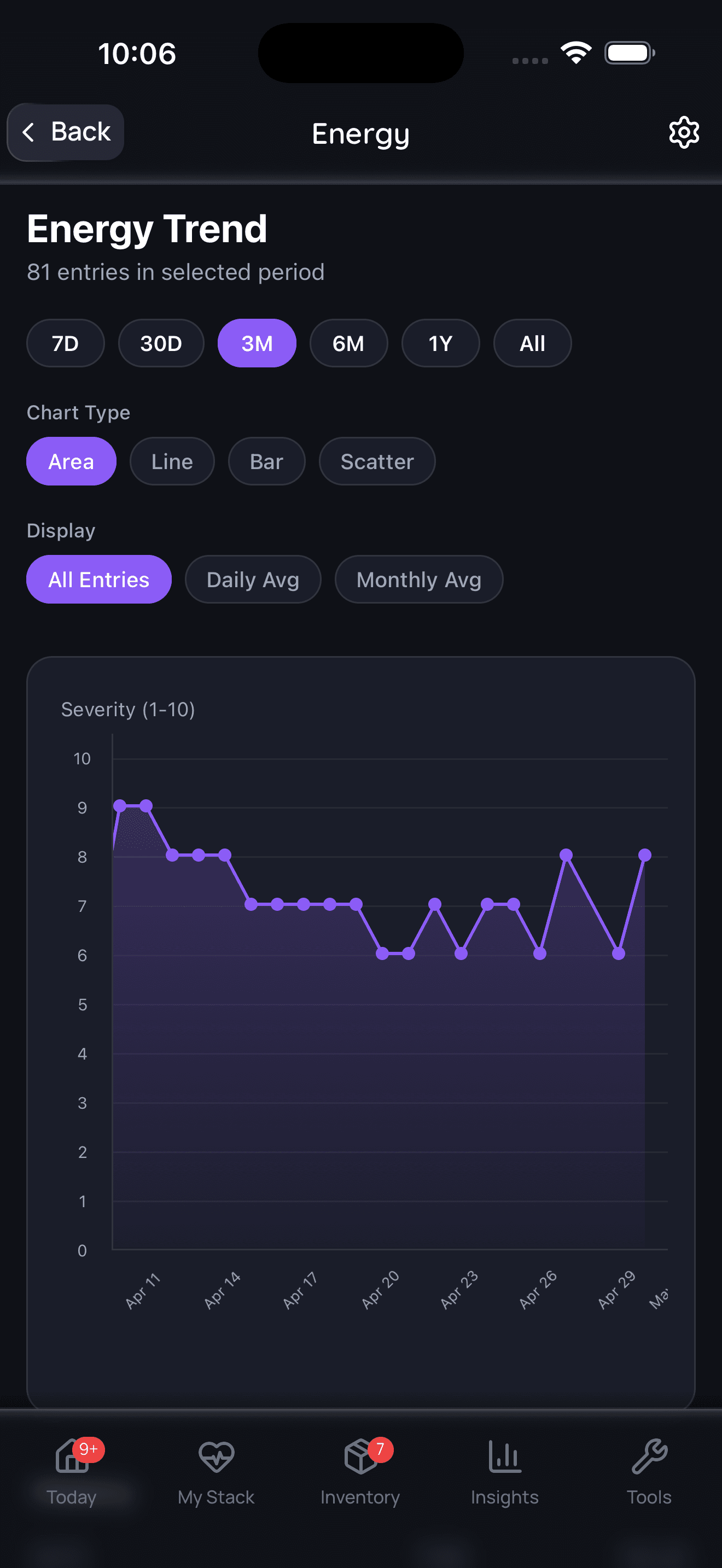
Symptom tracking is informational and should be interpreted with a qualified clinician.
Side Effects & Safety
The Basics
The most important thing to know about forskolin side effects is that gastrointestinal symptoms dominate the picture. In the largest safety survey of 715 users, roughly 1 in 10 people reported adverse effects, and over 90% of those effects were GI-related, with diarrhea being the most common complaint by far [13].
The good news is that these GI effects are generally mild and often resolve within the first few weeks of use. Most people who experienced symptoms continued taking the supplement without dose adjustment, and the symptoms subsided on their own. There is also a clear dose-response pattern: doses below 250 mg/day of extract were associated with zero reports of diarrhea, while higher doses (1000 mg/day) had roughly a 10% diarrhea rate [13].
Beyond GI effects, forskolin can lower blood pressure (through vasodilation) and increase heart rate. These cardiovascular effects are direct consequences of the cAMP mechanism and are the reason people taking blood pressure medications or blood thinners need to exercise particular caution [2].
Other reported side effects include headache and, rarely, blurry vision. One clinical study in women noted changes in white blood cell counts and calcium levels, though all values remained within normal clinical ranges [5].
A specific concern worth noting: animal studies have flagged potential liver effects from the crude Coleus forskohlii extract, though the liver-affecting compounds appear to be other constituents in the extract rather than forskolin itself [12]. One case of worsening liver function was reported in the safety survey, though the participant continued supplementation at a reduced dose [13].
The Science
Gastrointestinal effects: In the Maeda et al. (2019) safety survey (n=715 verified users), the overall adverse event rate was 10.5% (9.5% male, 11.3% female). GI symptoms constituted 92.0% of all adverse events (n=69/75), with diarrhea accounting for 81.3% (n=61). Other GI effects included nausea/vomiting (14.7%), constipation (6.7%). A significant dose-response relationship was established (p = 0.005): products containing <250 mg/day CFE reported zero diarrhea cases, while 1000 mg/day products had approximately 10.3% diarrhea incidence. Most effects were mild; only 26.7% of affected users discontinued [13].
The GI mechanism is attributable to forskolin-mediated cAMP elevation in gastrointestinal epithelial and smooth muscle cells, increasing gastric acid secretion, intestinal chloride secretion, and peristaltic activity [7][13].
Cardiovascular effects: Forskolin produces vasodilation through cAMP-mediated relaxation of vascular smooth muscle, resulting in potential hypotension. Positive inotropic effects (increased cardiac contractility) and tachycardia have been reported, particularly with intravenous administration [2]. Antiplatelet effects through cAMP-mediated VASP phosphorylation inhibit platelet aggregation [2].
Hepatic considerations: CFE (but not isolated forskolin) induces hepatic CYP450 enzymes (CYP2B, CYP2C, CYP3A) in animal models [11][12]. This induction is mediated through PXR activation by unidentified non-forskolin constituents. In high-dose animal studies, CFE demonstrated dose-dependent hepatotoxicity, though this was attributed to extract components other than forskolin [12]. One case of worsening liver function was noted in the human safety survey [13].
Hematological changes: Henderson et al. (2005) reported significant increases in white blood cells (p = 0.007), lymphocytes (p = 0.003), and neutrophils (p = 0.027) in the treatment group, along with decreased ALT (p = 0.000) and uric acid (p = 0.003). All values remained within normal clinical parameters [5].
Non-GI adverse effects: Headache (12.0% of those reporting adverse events), fatigue (6.7%), and one case of hepatic function deterioration (1.3%) were documented in the safety survey [13].
Knowing the possible side effects is the first step. Catching them early in your own experience is what keeps a supplement routine safe. Doserly lets you log any symptoms as they arise, tagging them with severity, timing relative to your dose, and whether they resolve on their own or persist.
The app's interaction checker cross-references everything in your stack, supplements and medications alike, flagging known interactions before they become a problem. It also monitors your total intake against established upper limits, alerting you if your combined sources of a nutrient are approaching thresholds where risk increases. Think of it as a safety net that works quietly in the background while you focus on the benefits.
Connect protocol changes to labs and health markers.
Doserly can keep lab results, biomarkers, symptoms, and dose history close together so follow-up conversations have better context.
Insights
Labs and trends
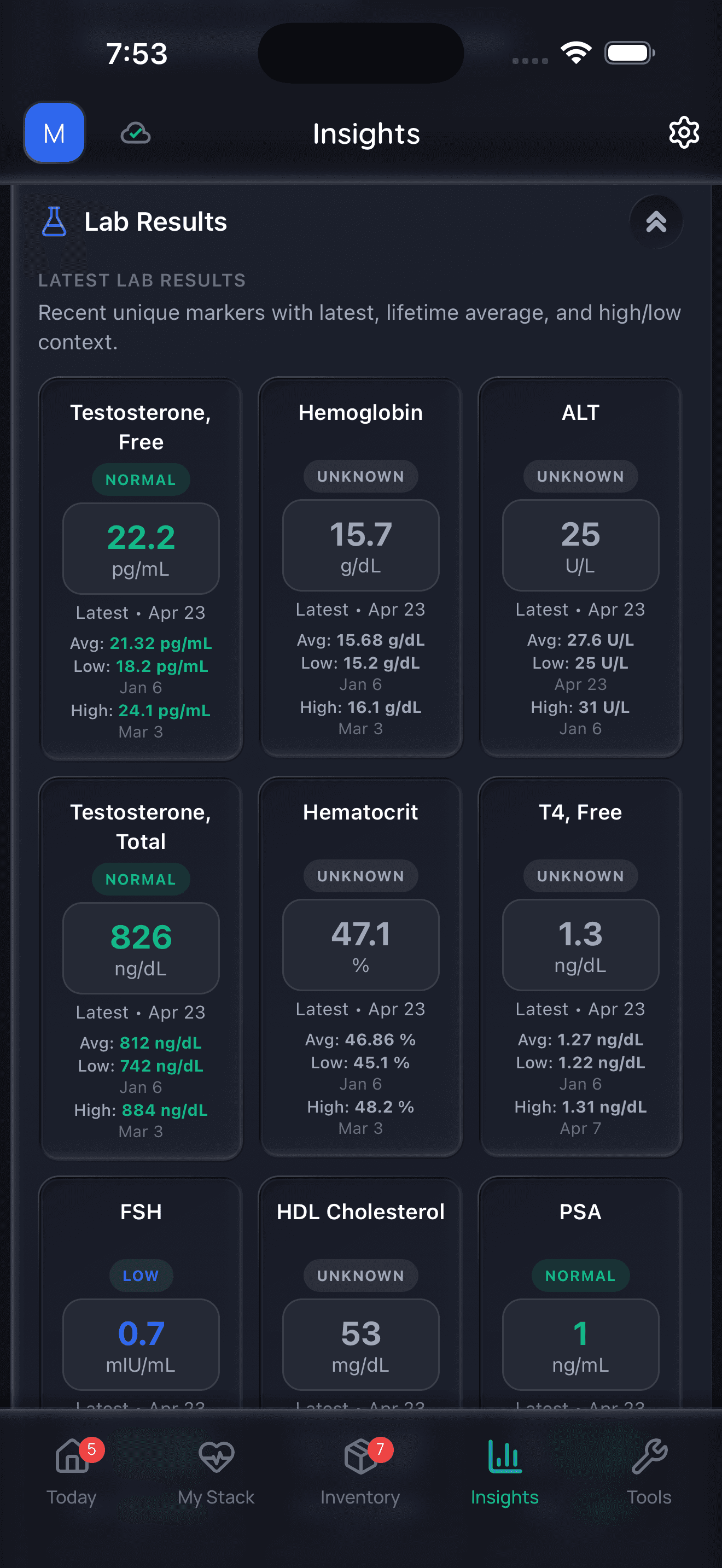
Doserly organizes data; it does not diagnose or interpret labs for you.
Dosing & Usage Protocols
The Basics
Forskolin dosing is relatively straightforward compared to many supplements, primarily because almost all clinical trials have used the same protocol: 250 mg of Coleus forskohlii extract standardized to 10% forskolin, taken twice daily [4][5][7].
This standard protocol delivers a total daily dose of 500 mg of extract, which provides approximately 50 mg of actual forskolin. The extract is typically taken in capsule form, about 30 minutes before meals [5].
The safety survey data provides helpful guidance on the dose-response relationship for side effects. Extracts at doses below 250 mg/day were associated with essentially no reports of diarrhea, while doses of 1000 mg/day produced diarrhea in about 10% of users. Based on this data, researchers recommended keeping extract intake at or below 500 mg/day [13].
There are no established loading or cycling protocols for forskolin. The clinical trials all ran for 12 weeks at a consistent dose, and none of the studies examined what happens when supplementation is stopped.
Some supplements offer higher-potency standardized extracts (20% forskolin or higher). While these deliver more forskolin per capsule, they have not been specifically tested in clinical trials, and the relationship between forskolin content and other extract components may be relevant to both efficacy and safety [12].
The Science
The consensus clinical dosing protocol across published human trials is 250 mg C. forskohlii extract (standardized to 10% forskolin, yielding 25 mg forskolin per dose) administered twice daily, for a total of 500 mg extract / 50 mg forskolin daily [4][5][7].
Dosing parameters from clinical trials:
Parameter
Standard extract dose
- Value
- 250 mg twice daily
- Source
- Godard 2005, Henderson 2005, Loftus 2015
Parameter
Standardization
- Value
- 10% forskolin
- Source
- All published RCTs
Parameter
Daily forskolin
- Value
- ~50 mg
- Source
- Calculated
Parameter
Duration studied
- Value
- 12 weeks
- Source
- All published RCTs
Parameter
Administration
- Value
- Pre-meal (30 min before)
- Source
- Henderson 2005
Safety-informed dose ceiling: The Maeda 2019 safety survey established a dose-response relationship for GI adverse events (p = 0.005), recommending ≤500 mg/day CFE as a reference maximum. Products below 250 mg/day reported zero diarrhea cases [13].
No pharmacokinetic dose-titration, loading phase, or cycling studies have been published. All clinical efficacy data derives from the fixed 500 mg/day (50 mg forskolin) protocol over 12 weeks [4][5][7].
Getting the dose right matters more than most people realize. Too little may be ineffective, too much wastes money or introduces risk, and inconsistency undermines both. Doserly tracks every dose you take, across every form, giving you a clear record of what you're actually consuming versus what you planned.
The app helps you compare RDA recommendations against therapeutic ranges discussed in the research, so you can see exactly where your intake falls. If you switch forms, say from a standard capsule to a liposomal liquid, Doserly adjusts your tracking to account for different bioavailabilities. Pair that with smart reminders that keep your timing consistent, and the precision that makes a real difference in outcomes becomes effortless.
Turn symptom and safety notes into a clearer timeline.
Doserly helps you log doses, symptoms, and safety observations side by side so patterns are easier to discuss with a qualified clinician.
Pattern view
Logs and observations

Pattern visibility is informational and should be reviewed with a clinician.
What to Expect (Timeline)
Based on the limited clinical trial data and community reports, here is an approximate timeline for what to expect when starting forskolin supplementation at the standard dose (500 mg CFE / 50 mg forskolin daily):
Week 1-2: Adjustment Period
The most commonly reported early experience is gastrointestinal adjustment. Some users may experience loose stools, increased bowel movements, or mild stomach discomfort as the body adapts. These effects affect roughly 1 in 10 users and typically resolve within the first 2-4 weeks without dose modification [13]. Some users may also notice a mild increase in energy, though this is difficult to distinguish from placebo effects at this early stage.
Week 3-4: Stabilization
GI symptoms, if present, tend to resolve during this period. Some users begin reporting subjective improvements in energy and exercise capacity. Body composition changes are not yet measurable at this point.
Week 5-8: Early Effects
Based on the clinical trial timelines (all 12 weeks), measurable changes in body composition, hormonal parameters, and metabolic markers may begin to emerge during this period. The single study measuring appetite effects in women noted reduced hunger as an early effect [5]. Changes in insulin sensitivity may begin to become apparent when combined with dietary changes [7].
Week 9-12: Clinical Endpoint Window
This is the timeframe at which the clinical trials measured their endpoints. Significant fat loss (in men), testosterone increases (in men), and insulin sensitivity improvements (in mixed-sex populations on calorie restriction) were all observed at the 12-week mark [4][5][7]. Body circumference changes (waist and hip) were measurable [7].
Beyond 12 Weeks
No published clinical data exists beyond 12 weeks of supplementation. Long-term effects, maintenance of benefits after discontinuation, and whether tolerance develops are all unknown.
Interactions & Compatibility
SYNERGISTIC
- Calorie-restricted diet: The strongest clinical evidence for forskolin comes from the study combining it with a hypocaloric diet, where the combination produced significantly better insulin sensitivity outcomes than diet alone [7]. Forskolin may enhance the metabolic benefits of dietary energy restriction. [Related: dietary approaches are complementary, not a supplement interaction per se.]
- Vitamin D3 (Vitamin D3): Both support bone health through complementary mechanisms. Forskolin promotes osteoblast activity via cAMP; vitamin D enhances calcium absorption and bone mineralization [9].
- Exercise: Physical activity independently activates lipolytic pathways. Combined with forskolin's cAMP-mediated lipolysis, exercise may enhance fat utilization, though no clinical trials have specifically tested this combination.
CAUTION / AVOID
- Antihypertensive medications (beta-blockers, ACE inhibitors, calcium channel blockers, vasodilators): Forskolin's vasodilatory and positive inotropic effects may potentiate blood pressure-lowering drugs, risking excessive hypotension [2].
- Anticoagulant and antiplatelet drugs (warfarin, aspirin, clopidogrel): Forskolin inhibits platelet aggregation through cAMP elevation. CFE also induces hepatic CYP2C, which can alter warfarin metabolism and attenuate its anticoagulant action [2][11]. The net effect is unpredictable; both increased bleeding risk (from antiplatelet effects) and reduced anticoagulant efficacy (from CYP induction) are possible.
- Antidiabetic medications (tolbutamide, other sulfonylureas): CFE dose-dependently attenuated both the hypoglycemic action and plasma concentration of tolbutamide in animal studies, likely through CYP450-mediated increased drug clearance [12]. Combined with forskolin's own effects on insulin sensitivity, blood sugar monitoring is essential.
- Thyroid medications (levothyroxine): Forskolin stimulates endogenous T3 and T4 production [8]. Combined with exogenous thyroid hormone, this could lead to hyperthyroid symptoms.
- CYP3A4 substrates: CFE upregulates CYP3A expression via PXR, potentially accelerating metabolism of drugs processed by this enzyme pathway [11][12].
- Other blood pressure-lowering supplements (Magnesium, CoQ10): Additive hypotensive effects possible.
- Polycystic kidney disease: Contraindicated per MSKCC guidance, as cAMP elevation may promote cyst growth [2].
How to Take / Administration Guide
Recommended forms: The standardized Coleus forskohlii root extract (10% forskolin) in capsule form is the only formulation with clinical trial support. This is the form most widely available from supplement manufacturers. Higher standardization percentages (20%, 40%) are available commercially but have not been tested in published clinical trials [4][5][7].
Timing considerations: Clinical studies administered capsules approximately 30 minutes before meals [5]. Taking the supplement before meals aligns with its theorized mechanisms of promoting lipolysis and may help reduce GI discomfort by ensuring the capsule is not taken on a completely empty stomach.
Splitting the dose: The standard protocol uses a divided dose (250 mg extract twice daily, typically before two main meals), rather than a single 500 mg dose. This approach has not been compared against single-dose administration in clinical studies, but divided dosing is the only evidence-backed protocol [4][5][7].
Starting lower: Given the dose-dependent GI side effect profile, individuals concerned about digestive tolerance may consider starting with a single 250 mg capsule daily for the first 1-2 weeks before moving to the full twice-daily protocol. This approach has not been clinically validated but is consistent with the safety survey finding that lower doses produce fewer GI symptoms [13].
Cycling guidance: No cycling protocols have been studied or recommended in the clinical literature. The three published RCTs all used continuous 12-week supplementation without breaks [4][5][7].
Do NOT use: Forskolin eye drop formulations are distinct products designed for ophthalmic use and should never be taken orally. Similarly, oral supplement capsules should not be used as eye drops [2].
Choosing a Quality Product
Standardization: The most critical quality marker for forskolin supplements is the standardization percentage. Look for products standardized to 10% forskolin, which matches the formulation used in clinical trials. Products advertising higher percentages (20%, 40%) have not been clinically tested and alter the ratio of forskolin to other extract constituents [4][5][7].
Third-party certifications: Look for USP Verified, NSF Certified for Sport, or GMP-certified products. Given that forskolin is primarily marketed as a weight loss supplement, the product category carries higher risk of adulteration or inaccurate label claims than essential vitamin and mineral supplements.
Active form verification: Ensure the product specifies "Coleus forskohlii root extract" rather than whole plant material, as forskolin is concentrated in the roots. The extract should specify the standardization percentage clearly on the label.
Red flags:
- Products claiming extreme weight loss results ("lose 30 pounds in 30 days")
- Proprietary blends that don't disclose forskolin content
- Products with no standardization percentage listed
- Extremely high-dose products (>500 mg extract per serving) without clear safety rationale
- Products combining forskolin with stimulants (caffeine, synephrine) without clear dosing for each ingredient
Excipient considerations: Standard capsule excipients (cellulose, magnesium stearate) are generally acceptable. Avoid products with unnecessary fillers or artificial colors.
Brand transparency: Prefer brands that provide Certificates of Analysis (COA), clearly state the forskolin standardization percentage, and identify the extraction method (ethanol extraction from tuberous roots is the standard method used in research) [7].
Storage & Handling
Store forskolin supplements in a cool, dry place away from direct sunlight and excessive heat. Keep the container tightly sealed to prevent moisture exposure.
No special refrigeration requirements apply to standard capsule or tablet forms. The compound is stable under normal room temperature storage conditions.
Check the expiration date on the product label and do not use beyond this date, as potency may decrease over time. If the capsules develop an unusual odor, discoloration, or clumping, discontinue use.
Lifestyle & Supporting Factors
Diet: Forskolin appears to work best as part of a comprehensive approach to metabolic health. The strongest clinical evidence comes from a study combining forskolin with a calorie-restricted diet, where the combination produced superior insulin sensitivity outcomes [7]. A balanced diet that maintains a modest caloric deficit, if weight management is the goal, is likely to complement any effects of the supplement.
Exercise: Physical activity independently activates many of the same metabolic pathways that forskolin targets (lipolysis, insulin sensitivity, body composition improvement). No studies have specifically tested the combination of forskolin supplementation with structured exercise, but the overlapping mechanisms suggest a potentially complementary relationship.
Hydration: Given the high incidence of GI effects (particularly diarrhea), maintaining adequate hydration is practical advice when starting forskolin supplementation.
Monitoring: Consider regular blood pressure monitoring, particularly during the first few weeks of supplementation or if taking any medications that affect blood pressure. The vasodilatory effects of forskolin can lower blood pressure in some individuals [2].
Thyroid health: Individuals with thyroid conditions should exercise particular caution, as forskolin stimulates thyroid hormone production. Monitoring thyroid function (TSH, T3, T4) may be advisable for those supplementing long-term, particularly if they have a history of thyroid dysfunction [8].
Signs of deficiency: Forskolin is not an essential nutrient, so deficiency does not apply. It is a pharmacologically active herbal extract used for specific health goals, not to correct a nutritional shortfall.
Regulatory Status & Standards
United States (FDA): Coleus forskohlii extract is sold as a dietary supplement under DSHEA. It is not GRAS-listed and has not received NDI (New Dietary Ingredient) notification, though it has been marketed as a dietary supplement for decades. The FDA has not evaluated forskolin for efficacy in treating, curing, or preventing any disease. The FTC has taken action against companies making unsupported weight loss claims about forskolin-containing products.
Canada (Health Canada): Coleus forskohlii is available as a Natural Health Product. Specific NPN numbers vary by product formulation.
European Union (EFSA): The regulatory status of Coleus forskohlii varies by member state. EFSA has not issued a formal health claims assessment specific to forskolin or Coleus forskohlii extract.
Australia (TGA): Available as a listed medicine (complementary medicine) with appropriate therapeutic claims.
Athlete & Sports Regulatory Status:
- WADA: Forskolin and Coleus forskohlii extract are not listed on the current WADA Prohibited List. However, athletes should be aware that supplement contamination risk exists, particularly for weight loss products.
- National Anti-Doping Agencies: No specific advisories have been issued by USADA, UKAD, Sport Integrity Canada, or Sport Integrity Australia regarding forskolin. However, these agencies consistently warn athletes about the contamination risks inherent in weight management supplement categories.
- NCAA: Forskolin is not on the NCAA banned substance list. However, the NCAA requires supplements provided by athletic departments to carry NSF Certified for Sport or Informed Sport certification.
- Athlete Certification Programs: Athletes should seek products with Informed Sport (sport.wetestyoutrust.com), NSF Certified for Sport (nsfsport.com), or Cologne List (koelnerliste.com) certification. These programs test for contamination with prohibited substances.
- GlobalDRO: Athletes can verify supplement ingredient status at GlobalDRO.com across US, UK, Canada, Australia, Japan, Switzerland, and New Zealand jurisdictions.
Regulatory status and prohibited substance classifications change frequently. Athletes should always verify the current status of any supplement with their sport's governing body, their national anti-doping agency, and a qualified sports medicine professional before use. Third-party certification (Informed Sport, NSF Certified for Sport) reduces but does not eliminate the risk of contamination with prohibited substances.
Frequently Asked Questions
Does forskolin really help with weight loss?
The evidence is mixed and limited. One small study (15 men) showed significant fat loss and body composition improvements after 12 weeks, but a similar study in women found no significant effects. Total body weight did not change significantly in either study. Based on available data, forskolin may modestly support body composition changes (particularly fat loss in men) when combined with diet and exercise, but it is not a standalone weight loss solution [4][5].
Is forskolin safe to take every day?
Based on the clinical trials (all 12 weeks long) and a safety survey of 715 users, daily supplementation at the standard dose (500 mg extract / 50 mg forskolin) appears to be generally well-tolerated. GI side effects occur in roughly 10% of users but are typically mild and transient. Long-term safety beyond 12 weeks has not been studied [4][5][13].
Can I take forskolin with blood pressure medication?
This combination requires caution and should be discussed with a healthcare provider. Forskolin has vasodilatory effects that can lower blood pressure, potentially adding to the effects of antihypertensive medications and causing excessive blood pressure drops [2].
Does forskolin boost testosterone?
One study in 15 overweight/obese men found a significant increase in free testosterone after 12 weeks of supplementation. However, this is a single small study, and the finding has not been replicated. The mechanism is plausible (cAMP-mediated stimulation of testicular steroidogenesis), but more research is needed before drawing conclusions [4].
What are the most common side effects?
GI symptoms, particularly diarrhea and loose stools, are by far the most common, accounting for over 80% of all reported adverse effects. These tend to be dose-dependent and often resolve within the first few weeks. Other reported effects include headache, increased heart rate, and occasionally low blood pressure symptoms [13].
How long does forskolin take to work?
The clinical trials measured outcomes at 12 weeks. GI side effects, if they occur, typically appear within the first 1-2 weeks and resolve by week 4. Measurable body composition or metabolic changes are unlikely before 8-12 weeks of consistent use [4][5][7].
Should I take forskolin with food?
Clinical studies administered the supplement about 30 minutes before meals. Taking it with or shortly before food may help reduce GI discomfort, particularly during the initial adjustment period [5].
Is forskolin the same as Coleus forskohlii?
Not exactly. Coleus forskohlii (now classified as Plectranthus barbatus) is the plant, and forskolin is its primary bioactive compound. Supplements are typically Coleus forskohlii root extract standardized to contain a specific percentage of forskolin (usually 10%). The extract contains forskolin plus other plant compounds, some of which contribute to CYP450 enzyme interactions not seen with isolated forskolin [11][12].
Can women take forskolin?
Yes, but the evidence for body composition benefits is weaker in women than in men. The study specifically in women did not find significant fat loss, though the supplement appeared safe with no clinically significant side effects. The study combining forskolin with a calorie-restricted diet (80% female participants) showed metabolic benefits in both sexes [5][7].
Does forskolin affect thyroid function?
Preclinical evidence shows that forskolin stimulates thyroid hormone (T3 and T4) production and release. Individuals with thyroid conditions, particularly hyperthyroidism, or those taking thyroid medications should consult a healthcare provider before supplementing [8].
Myth vs. Fact
Myth: Forskolin is a "miracle weight loss pill" that melts fat without diet or exercise.
Fact: No clinical study has shown significant total body weight loss from forskolin alone. One small study in men showed reduced body fat percentage, but weight remained stable because lean mass trends offset fat loss. The strongest metabolic benefits were observed only when combined with a calorie-restricted diet. Marketing claims about dramatic weight loss are unsupported by published evidence [4][5][7].
Myth: Forskolin was "discovered by Dr. Oz" or is a modern supplement breakthrough.
Fact: Forskolin was first isolated from Coleus forskohlii in the 1970s and has been used extensively as a laboratory research tool for studying cAMP signaling. Coleus forskohlii itself has centuries of use in Ayurvedic medicine. Television publicity increased consumer interest but did not constitute a scientific discovery [1][3].
Myth: Higher-potency forskolin extracts (20%, 40%) are more effective than the standard 10%.
Fact: All published human clinical trials used 10% standardized extract. Higher-concentration products have not been tested for efficacy or safety. Increasing the forskolin percentage alters the ratio of other plant compounds in the extract, which may affect the safety profile, particularly regarding CYP450 enzyme interactions [4][5][7][12].
Myth: Forskolin is completely safe with no side effects.
Fact: A safety survey of 715 users found that about 10.5% experienced adverse effects, with GI symptoms (predominantly diarrhea) accounting for over 90% of reports. Forskolin also lowers blood pressure, increases heart rate, inhibits platelet aggregation, and may interact with multiple medication classes [2][13].
Myth: Forskolin directly burns fat.
Fact: Forskolin promotes lipolysis (the release of stored fatty acids from fat cells) through cAMP-mediated activation of hormone-sensitive lipase. However, releasing fat from storage is not the same as burning it. The released fatty acids must be used for energy through physical activity or metabolic demand, or they will simply be re-stored. Without a caloric deficit or increased energy expenditure, lipolysis alone does not produce fat loss [4].
Myth: All Coleus forskohlii supplements are the same.
Fact: The plant extract contains multiple compounds beyond forskolin. The CYP450 enzyme induction observed with the crude extract is driven by non-forskolin constituents, meaning different extraction methods, standardization levels, and plant sources may produce products with meaningfully different pharmacological profiles. The specific extract used matters [11][12].
Myth: Forskolin is a natural testosterone booster that rivals pharmaceutical options.
Fact: One study found a significant increase in free testosterone in 15 overweight men. The magnitude of increase and the clinical significance of this single finding are insufficient to position forskolin as a reliable testosterone-boosting supplement. The finding has not been replicated, and no studies have examined testosterone effects in normal-weight or eugonadal men [4].
Sources & References
Clinical Trials & RCTs
[1] Alasbahi RH, Melzig MF. Plectranthus barbatus: a review of phytochemistry, ethnobotanical uses and pharmacology. Part 1 & 2. Planta Med. 2010;76(7):653-661 & 76(8):753-765.
[2] Memorial Sloan Kettering Cancer Center. Forskolin. About Herbs, Botanicals & Other Products. Available at: https://www.mskcc.org/cancer-care/integrative-medicine/herbs/forskolin
[3] Seamon KB, Padgett W, Daly JW. Forskolin: unique diterpene activator of adenylyl cyclase in membranes and in intact cells. Proc Natl Acad Sci USA. 1981;78(6):3363-3367.
[4] Godard MP, Johnson BA, Richmond SR. Body composition and hormonal adaptations associated with forskolin consumption in overweight and obese men. Obes Res. 2005;13(8):1335-1343. PMID: 16129715.
[5] Henderson S, Magu B, Rasmussen C, et al. Effects of coleus forskohlii supplementation on body composition and hematological profiles in mildly overweight women: evidence for lipolytic activity. J Int Soc Sports Nutr. 2005;2(2):54-62. PMC2129145.
[6] Majeed M, Nagabhushanam K, Natarajan S, et al. Efficacy and safety of 1% forskolin eye drops in open angle glaucoma: An open label study. J Clin Diagn Res. 2015;9(6):NC04-7. PMC4487936.
[7] Loftus HL, Astell KJ, Mathai ML, Su XQ. Coleus forskohlii Extract Supplementation in Conjunction with a Hypocaloric Diet Reduces the Risk Factors of Metabolic Syndrome in Overweight and Obese Subjects: A Randomized Controlled Trial. Nutrients. 2015;7(11):9508-9522. PMC4663611.
Preclinical & Mechanistic Studies
[8] Laurberg P. Forskolin stimulation of thyroid secretion of T4 and T3. FEBS Lett. 1984;170(2):273-276. PMID: 6327383.
[9] A standardized extract of Coleus forskohlii root protects rats from ovariectomy-induced loss of bone mass and strength, and impaired bone material by osteogenic and anti-resorptive mechanisms. J Ethnopharmacol. 2023;308:116258. PMC10011618.
[10] Pinto C, Papa D, Hübner M, et al. Activation and inhibition of adenylyl cyclase isoforms by forskolin analogs. J Pharmacol Exp Ther. 2008;325(1):27-36. PMID: 18184830.
Safety & Pharmacology
[11] Virgona N, et al. Coleus forskohlii extract induces hepatic cytochrome P450 enzymes in mice. Food Chem Toxicol. 2012;50(5):1521-1528. PMID: 22178802.
[12] Virgona N, et al. Identification of compounds in Coleus forskohlii extract involved in the induction of hepatic CYP and fatty liver in mice. Biol Pharm Bull. 2019;42(10):1730-1735. PMID: 31582668.
[13] Maeda A, et al. Nationwide Online Survey Enables the Reevaluation of the Safety of Coleus forskohlii Extract Intake Based on the Adverse Event Frequencies. Nutrients. 2019;11(4):866. PMC6521622.
Government/Institutional Sources
[14] González-Sánchez R, et al. Forskolin versus sodium cromoglycate for prevention of asthma attacks: a single-blinded clinical trial. J Int Med Res. 2006;34(2):200-207.
Related Supplement Guides
Same Category (Herbal Weight Management)
- Green Tea Extract (EGCG)
- Caffeine
- Garcinia Cambogia
- Glucomannan
- Bitter Orange (Synephrine)
- Cayenne/Capsaicin
- 7-Keto DHEA
- Apple Cider Vinegar
Common Stacks / Pairings
- Vitamin D3 (complementary bone health support)
- Magnesium (complementary metabolic support; caution: additive blood pressure lowering)
- CoQ10 (cardiovascular support; caution: additive blood pressure lowering)
- Chromium (complementary insulin sensitivity support)
Related Health Goal
- CLA (Conjugated Linoleic Acid) (body composition)
- L-Carnitine (fat metabolism)
- Berberine (insulin sensitivity, metabolic health)