
Apple Cider Vinegar: The Complete Supplement Guide
On this page
Quick Reference Card
Attribute
Common Name
- Detail
- Apple Cider Vinegar (ACV)
Attribute
Other Names / Aliases
- Detail
- Cider Vinegar, ACV, Acetic Acid (active component)
Attribute
Category
- Detail
- Specialty, Fermented Food Product
Attribute
Primary Forms & Variants
- Detail
- Liquid vinegar (raw/unfiltered with "mother," filtered/pasteurized), capsules, tablets, gummies. Liquid form contains approximately 5% acetic acid (w/v). Gummy and tablet forms contain significantly less acetic acid.
Attribute
Typical Dose Range
- Detail
- 15-30 mL (1-2 tablespoons) liquid daily, diluted in water
Attribute
RDA / AI / UL
- Detail
- No established RDA, AI, or UL (not an essential nutrient)
Attribute
Common Delivery Forms
- Detail
- Liquid (diluted in water or added to food), capsules, tablets, gummies
Attribute
Best Taken With / Without Food
- Detail
- Commonly taken before or with meals. Taking with food may reduce GI discomfort and support blood sugar management effects.
Attribute
Key Cofactors
- Detail
- No established cofactors. Sometimes combined with honey, lemon, or warm water for palatability.
Attribute
Storage Notes
- Detail
- Store in a cool, dark place. No refrigeration required. Shelf life is generally long due to acidic pH. "Mother" in raw ACV is normal and does not indicate spoilage.
Overview
The Basics
Apple cider vinegar is made by fermenting apple juice in two stages. First, yeast converts the sugars in apple juice into alcohol (hard cider). Then, bacteria called Acetobacter convert the alcohol into acetic acid, which is the sour compound that gives all vinegar its characteristic taste and smell [1]. That acetic acid, typically present at about 5% concentration, is the primary active component believed to drive most of the supplement's biological effects.
ACV has been used as a folk remedy and culinary ingredient for centuries, with historical mentions in traditional medicine systems for digestive ailments, wound cleaning, and food preservation. In recent years, it has experienced a surge in popularity driven largely by social media and health influencer claims about weight loss, "detoxification," blood sugar management, and gut health.
The evidence picture for ACV is genuinely mixed. There is legitimate clinical data supporting modest effects on blood sugar control and appetite, particularly in people with type 2 diabetes or metabolic health concerns. However, many of the more dramatic claims circulating online significantly outpace what the research actually shows. The most commonly cited "viral" weight loss study (Abou-Khalil et al., 2024) was formally retracted in September 2025 due to data integrity concerns, which substantially weakens the headline weight loss claims that fueled much of ACV's recent popularity [2].
What ACV does reasonably well, based on current evidence, is offer a modest, low-cost dietary addition that may support blood sugar management and digestive comfort. What it does not do is produce dramatic weight loss, "detoxify" the body, or cure chronic diseases.
The Science
Apple cider vinegar (Malus domestica derivative) is produced through a two-stage fermentation process. Saccharomyces cerevisiae and related yeast species perform alcoholic fermentation of apple sugars, followed by oxidative fermentation by Acetobacter species (primarily A. pasteurianus and A. aceti) to convert ethanol to acetic acid [1][3].
The final product contains approximately 5% (w/v) acetic acid (CH3COOH) as the primary bioactive compound, along with trace amounts of malic acid, citric acid, lactic acid, and amino acids. Raw, unfiltered ACV also contains the "mother," a cellulose biofilm produced by Acetobacter during fermentation, which contains bacterial cellulose, acetic acid bacteria, and trace polyphenols [3].
Additional bioactive compounds include chlorogenic acid, gallic acid, catechin, caffeic acid, and p-coumaric acid, though these are present at substantially lower concentrations than in whole apples. The polyphenol content varies considerably between products and is influenced by apple variety, fermentation duration, and processing method [3][4].
The pH of commercial ACV typically ranges from 2.5 to 3.5, making it sufficiently acidic to cause tissue damage with prolonged direct contact, a consideration that drives many of the safety recommendations around its use [5].
Chemical & Nutritional Identity
Property
Primary Active Compound
- Value
- Acetic acid (CH3COOH)
Property
Acetic Acid Concentration
- Value
- Approximately 5% (w/v) in liquid form
Property
pH
- Value
- 2.5-3.5 (commercial products)
Property
Category
- Value
- Fermented food product, dietary supplement
Property
Caloric Content
- Value
- Approximately 3 kcal per tablespoon (15 mL)
Property
RDA / AI / UL
- Value
- Not established (not an essential nutrient)
Key Compounds in Apple Cider Vinegar
Compound
Acetic acid
- Concentration
- ~5% (w/v)
- Role
- Primary bioactive; glycemic modulation, antimicrobial
Compound
Malic acid
- Concentration
- Trace
- Role
- Organic acid from apple substrate
Compound
Chlorogenic acid
- Concentration
- Trace
- Role
- Polyphenol; glucose-6-phosphatase inhibition
Compound
Gallic acid
- Concentration
- Trace
- Role
- Polyphenol; antioxidant
Compound
Catechin
- Concentration
- Trace
- Role
- Polyphenol; antioxidant
Compound
Caffeic acid
- Concentration
- Trace
- Role
- Polyphenol; antioxidant
Compound
Pectin
- Concentration
- Trace (liquid form)
- Role
- Soluble fiber from apple
Compound
Potassium
- Concentration
- ~11 mg per tbsp
- Role
- Electrolyte mineral
Compound
Acetobacter culture ("mother")
- Concentration
- Present in raw/unfiltered
- Role
- Probiotic-adjacent bacterial cellulose matrix
Form Comparison
Form
Liquid (raw/unfiltered)
- Acetic Acid Content
- ~5% (~750 mg per tbsp)
- Key Consideration
- Highest acetic acid delivery; contains "mother"
Form
Liquid (filtered/pasteurized)
- Acetic Acid Content
- ~5% (~750 mg per tbsp)
- Key Consideration
- Same acetic acid content; no live cultures
Form
Capsules
- Acetic Acid Content
- Highly variable (often 250-500 mg ACV powder)
- Key Consideration
- Significantly less acetic acid than liquid; esophageal injury risk from tablet form [5]
Form
Gummies
- Acetic Acid Content
- Very low (often <100 mg acetic acid equivalent)
- Key Consideration
- Lowest acetic acid delivery; added sugars offset any metabolic benefit
Form
Tablets
- Acetic Acid Content
- Variable
- Key Consideration
- Inconsistent quality; esophageal burns reported [5]
Mechanism of Action
The Basics
Apple cider vinegar works primarily through its acetic acid content, and the effects are surprisingly simple. When you consume acetic acid with or before a meal, it interferes with the enzymes that break down starches into sugars. Think of these enzymes as scissors that cut long starch chains into small sugar pieces your body can absorb. Acetic acid slows these scissors down, which means sugar enters your bloodstream more gradually rather than in a sharp spike [3][4][6].
ACV also slows down how fast food leaves your stomach (gastric emptying). When food sits in your stomach a bit longer, nutrients, including sugars, are released into your small intestine more slowly. This produces a gentler, more gradual rise in blood sugar after a meal rather than a steep spike followed by a crash [3][6].
There is also some evidence that acetic acid helps your muscles and liver take up glucose more efficiently, reducing the amount of sugar circulating in your blood [4]. For weight management, acetic acid appears to bind to certain receptors (called GPR43 and GPR41) on fat cells and other tissues, potentially increasing fat breakdown and reducing fat storage [7].
The Science
Carbohydrate Digestion Inhibition: Acetic acid inhibits the activity of disaccharidases and alpha-amylase, reducing the rate of starch hydrolysis and monosaccharide absorption in the small intestine [3][4]. This mechanism is consistent with the observed reduction in postprandial glycemic response across multiple clinical trials.
Gastric Emptying Delay: Vinegar consumption delays gastric emptying rate in a dose-dependent manner, reducing the rate at which nutrients enter the duodenum and thereby flattening the postprandial glucose curve [3][6]. While beneficial for glycemic control, this mechanism has implications for individuals with gastroparesis, in whom further slowing of gastric motility may be contraindicated.
Hepatic and Peripheral Glucose Metabolism: Acetic acid enhances glucose uptake in liver and skeletal muscle tissue. Chlorogenic acid, a polyphenol present in trace amounts, inhibits glucose-6-phosphatase, reducing hepatic glucose output [4]. In L6 skeletal muscle cells, acetic acid stimulates glucose consumption via AMP-activated protein kinase (AMPK) activation, requiring simultaneous participation of cAMP and calcium signaling pathways [7].
Lipid Metabolism: Acetic acid suppresses lipogenic gene expression while increasing lipolytic activity. Proposed mechanisms include stimulation of bile acid excretion and enhancement of fatty acid beta-oxidation. These effects are mediated in part through G-protein coupled receptors GPR43 and GPR41, which are expressed in adipose tissue, skeletal muscle, liver, and pancreatic beta cells [7].
Antimicrobial Activity: Acetic acid demonstrates broad-spectrum antimicrobial properties in vitro against pathogens including E. coli and Salmonella species [8]. However, translation of these antimicrobial effects to in vivo gut health outcomes remains poorly characterized in human studies.
Microbiome Modulation: Emerging evidence suggests that vinegar consumption may modulate gut microbiome composition by altering intestinal pH and providing a substrate for short-chain fatty acid production. One study found that vinegar intake suppressed ulcerative colitis progression through T helper 1 and T helper 17 cell modulation [8]. However, this research is primarily preclinical.
Absorption & Bioavailability
The Basics
Acetic acid from liquid apple cider vinegar is absorbed quickly and efficiently in the upper gastrointestinal tract. Because it is a small, simple organic acid, your body does not need any special transport system to absorb it; it passes readily through the stomach lining and small intestine. This means that the form of ACV matters most for how much acetic acid actually reaches your system.
Liquid ACV at 5% concentration delivers approximately 750 mg of acetic acid per tablespoon, and most of this is absorbed. Capsules, tablets, and gummies deliver substantially less acetic acid, and one study found considerable variability between brands in how much acetic acid their products actually contained [5]. This is an important practical distinction: the clinical trials showing benefits used liquid vinegar, and there is limited evidence that pill or gummy forms produce the same effects.
Taking ACV with food does not appear to reduce its absorption, and in fact the glucose-lowering effects are most pronounced when ACV is consumed with or shortly before a carbohydrate-containing meal. Timing matters more than food pairing for this supplement.
The Science
Absorption: Acetic acid is rapidly absorbed in the upper gastrointestinal tract via passive diffusion. As a small molecular weight organic acid (60.05 g/mol), it crosses biological membranes readily without requiring carrier-mediated transport. Peak plasma concentrations are achieved within 30-60 minutes of ingestion [3].
Metabolism: Acetic acid is metabolized via the tricarboxylic acid (TCA) cycle in peripheral tissues. It is converted to acetyl-CoA by acetyl-CoA synthetase and enters the citric acid cycle, where it is completely oxidized to CO2 and H2O. This metabolic pathway is shared with endogenous acetate produced by colonic bacterial fermentation [3].
Form-Dependent Bioavailability: A critical evaluation of commercial ACV tablet products found "considerable variability between the brands in tablet size, pH, component acid content, and label claims" [5]. One study concluded that "commercial vinegar tablets do not display the same physiological benefits for managing postprandial glucose concentrations as liquid vinegar" [5]. The inconsistency in label accuracy and actual acetic acid content in non-liquid forms raises significant bioequivalence concerns.
Research & Clinical Evidence
The Basics
The research on apple cider vinegar has grown substantially in recent years, with multiple systematic reviews and meta-analyses now available. The strongest evidence supports modest effects on blood sugar management, particularly in people with type 2 diabetes. There is also evidence for mild effects on body weight and cholesterol, though these are smaller and less consistent.
Three recent meta-analyses paint a reasonably coherent picture: ACV can lower fasting blood sugar by roughly 8-22 mg/dL and reduce HbA1c (a 3-month blood sugar average) by about 0.5-1.5 percentage points in people with type 2 diabetes [6][9][10]. These are meaningful improvements for diabetic patients, though they are not a substitute for medication or lifestyle changes.
For weight loss, the evidence is more modest. Pooled data across 10 trials suggests ACV consumption is associated with reductions of 2-7 kg in body weight over 4-12 weeks [7]. However, most of these studies had significant limitations, including small sample sizes, lack of blinding, and concurrent dietary interventions. After removing studies with high risk of bias, the weight loss effect shrinks to approximately 2-3 kg, which is modest [7].
An important caveat: the Abou-Khalil et al. (2024) study from Lebanon, which reported dramatic weight loss results and went viral on social media, was formally retracted in September 2025 [2]. This study was included in one of the meta-analyses and its removal weakens the pooled weight loss estimates.
For cholesterol, ACV appears to modestly reduce total cholesterol by about 6-11 mg/dL, with larger effects in people with type 2 diabetes [6]. Effects on LDL cholesterol, HDL cholesterol, and triglycerides are less consistent.
The Science
Blood Glucose (Meta-Analytic Evidence):
A 2021 systematic review and meta-analysis (9 RCTs, 686 participants) found ACV consumption significantly reduced fasting plasma glucose (FPG: -7.97 mg/dL; 95% CI: -13.74, -2.21; P = 0.007) and HbA1c (-0.50; 95% CI: -0.90, -0.09; P = 0.02) [6]. No significant effects on fasting insulin or HOMA-IR were observed [6].
A 2025 GRADE-assessed meta-analysis (7 controlled trials in T2DM patients) reported larger FPG reductions (WMD: -21.929 mg/dL; 95% CI: -29.19, -14.67; P < 0.001) and HbA1c reductions (WMD: -1.53; 95% CI: -2.65, -0.41; P = 0.008) [10]. Dose-response analysis showed a linear association: each additional 1 mL/day of ACV was associated with a -1.255 mg/dL reduction in FPG [10].
Body Composition (Meta-Analytic Evidence):
A 2025 systematic review (10 RCTs, 789 participants) found ACV significantly reduced body weight (SMD: -0.39; 95% CI: -0.63, -0.15; P = 0.001), BMI (SMD: -0.65; 95% CI: -1.05, -0.26; P = 0.001), and waist circumference (SMD: -0.34; 95% CI: -0.67, -0.02; P = 0.04) [7]. Subgroup analysis showed larger effects with 30 mL/day dosing compared to 5-15 mL/day, and in T2DM populations compared to overweight/obese non-diabetics [7].
However, sensitivity analysis excluding studies with high risk of bias substantially attenuated the waist circumference finding to non-significance (SMD: -0.17; 95% CI: -0.40, 0.07; P = 0.16), while body weight (SMD: -0.29; P = 0.02) and BMI (SMD: -0.33; P = 0.004) remained significant [7].
Lipid Profile (Meta-Analytic Evidence):
The 2021 meta-analysis found ACV significantly reduced total cholesterol (-6.06 mg/dL; 95% CI: -10.95, -1.17; P = 0.02; I2: 39%) [6]. Effects on LDL, HDL, and triglycerides were not significant in the overall analysis, though subgroup analysis showed significant total cholesterol reductions in diabetic patients (-11.51 mg/dL; 95% CI: -18.16, -4.86) and significant triglyceride reductions in diabetic patients (-22.46 mg/dL; 95% CI: -40.27, -4.65) [6].
Individual RCT (Jafaridad et al., 2023):
An 8-week open-label RCT (n=73 completers, T2DM patients) using 30 mL/day homemade ACV found significant improvements in weight (-2.37 kg vs. -0.29 kg, P < 0.001), BMI (-0.87 vs. -0.13, P < 0.001), FBG (-22.86 vs. -2.19 mg/dL, P = 0.01), HbA1c (-1.42% vs. -0.05%, P < 0.001), LDL (-25.02 vs. +2.27 mg/dL, P < 0.001), and total cholesterol (-24 vs. -0.77 mg/dL, P = 0.003) compared to dietary counseling alone [4]. However, the open-label design without placebo control limits the strength of these conclusions.
Evidence & Effectiveness Matrix
The matrix below combines clinical evidence strength with community-reported effectiveness to provide a balanced view of apple cider vinegar's profile across health domains.
Category
Digestive Comfort
- Evidence Strength
- 3/10
- Community-Reported Effectiveness
- 7/10
- Confidence
- Medium
Category
Appetite & Satiety
- Evidence Strength
- 5/10
- Community-Reported Effectiveness
- 6/10
- Confidence
- Medium
Category
Weight Management
- Evidence Strength
- 4/10
- Community-Reported Effectiveness
- 5/10
- Confidence
- Low
Category
Fat Loss
- Evidence Strength
- 3/10
- Community-Reported Effectiveness
- 4/10
- Confidence
- Low
Category
Gut Health
- Evidence Strength
- 2/10
- Community-Reported Effectiveness
- 6/10
- Confidence
- Low
Category
Energy Levels
- Evidence Strength
- 2/10
- Community-Reported Effectiveness
- 4/10
- Confidence
- Low
Category
Heart Health
- Evidence Strength
- 4/10
- Community-Reported Effectiveness
- 3/10
- Confidence
- Low
Category
Blood Pressure
- Evidence Strength
- 3/10
- Community-Reported Effectiveness
- 3/10
- Confidence
- Low
Category
Nausea & GI Tolerance
- Evidence Strength
- 4/10
- Community-Reported Effectiveness
- 4/10
- Confidence
- Medium
Category
Inflammation
- Evidence Strength
- 2/10
- Community-Reported Effectiveness
- 3/10
- Confidence
- Low
Category
Side Effect Burden
- Evidence Strength
- 5/10
- Community-Reported Effectiveness
- 5/10
- Confidence
- Medium
Category
Treatment Adherence
- Evidence Strength
- 3/10
- Community-Reported Effectiveness
- 6/10
- Confidence
- Medium
Evidence Strength reflects the quality and volume of clinical trial data. Community-Reported Effectiveness reflects scored sentiment from community discussions. Confidence reflects the reliability of the combined assessment.
Key Observations:
- The strongest clinical evidence is for glycemic control in type 2 diabetes, but this does not map cleanly to a single biomarker category (it spans multiple metabolic outcomes)
- Digestive comfort receives the highest community score but has the weakest clinical evidence base, highlighting a gap between user experience and formal research
- Weight management evidence is moderate but weakened by the retraction of the Abou-Khalil 2024 study and high heterogeneity across trials
- Community data is limited by the absence of Tier 2 structured review sources (all blocked during crawl), reducing confidence in community scores
- Categories not scored due to insufficient data: Sleep Quality, Focus & Mental Clarity, Memory & Cognition, Mood & Wellbeing, Anxiety, Stress Tolerance, Motivation & Drive, Emotional Aliveness, Emotional Regulation, Libido, Sexual Function, Joint Health, Pain Management, Recovery & Healing, Physical Performance, Skin Health, Hair Health, Heart Rate & Palpitations, Hormonal Symptoms, Temperature Regulation, Fluid Retention, Body Image, Immune Function, Bone Health, Longevity & Neuroprotection, Cravings & Impulse Control, Social Connection, Withdrawal Symptoms, Daily Functioning, Muscle Growth, Food Noise
Benefits
The Basics
Apple cider vinegar's benefit profile is narrower and more modest than its marketing reputation suggests. The most reliably demonstrated effects center on blood sugar management, particularly for people with type 2 diabetes or prediabetes. Beyond that, there are some promising signals for mild appetite suppression and modest cholesterol improvements, but the evidence thins quickly.
The most consistent finding across multiple clinical trials is that taking ACV before or with a carbohydrate-containing meal can reduce the post-meal blood sugar spike. For people managing diabetes, this translates to measurable improvements in fasting blood sugar and HbA1c over weeks to months of regular use [4][6][10]. This is a real, evidence-backed benefit, though it is not a replacement for diabetes medication or dietary management.
For appetite and weight, the data is more tentative. Some users report reduced hunger when taking ACV before meals, and there is a plausible mechanistic basis for this effect (delayed gastric emptying and AMPK activation) [7]. However, the actual weight loss observed in well-controlled studies is modest, typically in the range of 1-3 kg over 2-3 months [6][7].
Digestive comfort, particularly reduced bloating after meals, is the most frequently reported benefit in community discussions, though formal clinical studies on this outcome are limited.
The Science
Glycemic Control: The strongest evidence-supported benefit. Three meta-analyses demonstrate significant reductions in fasting plasma glucose (FPG: -7.97 to -21.93 mg/dL) and HbA1c (-0.50 to -1.53 percentage points) in populations including type 2 diabetes patients [6][9][10]. A dose-response relationship has been established, with each 1 mL/day increase in ACV associated with an approximately 1.26 mg/dL reduction in FPG [10]. Effects appear to be mediated through alpha-amylase and disaccharidase inhibition, gastric emptying delay, and enhanced peripheral glucose uptake via AMPK activation [3][4].
Cholesterol Reduction: Total cholesterol is reduced by approximately 6-11 mg/dL with regular ACV consumption, with larger effects in diabetic populations (-11.51 mg/dL; 95% CI: -18.16, -4.86) [6]. Triglyceride reductions are also observed in diabetic subgroups (-22.46 mg/dL) [6]. LDL and HDL effects are inconsistent.
Appetite Modulation: ACV has been associated with increased satiety and reduced spontaneous food intake in a limited number of studies [7]. The delayed gastric emptying effect prolongs the sensation of fullness after meals. Some community reports align with this finding, describing reduced hunger and fewer cravings.
Body Weight and Composition: Modest reductions in body weight (SMD: -0.29 to -0.39), BMI, and waist circumference have been observed in meta-analyses, with effects most pronounced at 30 mL/day dosing and in T2DM populations [7]. After excluding studies with high risk of bias, effects remain statistically significant but clinically modest.
When you're taking multiple supplements, it's hard to know which one is doing the heavy lifting. The benefits described above may overlap with effects from other items in your stack, lifestyle changes, or seasonal variation. Doserly helps you untangle that by keeping everything in one place, with timestamps, doses, and outcomes logged together.
Over time, this builds something more valuable than any product review: your personal evidence record. You can see exactly when you started this supplement, what else was in your routine at the time, and how your tracked health markers responded. That clarity makes the difference between guessing and knowing, whether you're talking to a healthcare provider or simply deciding if it's worth reordering.
Capture changes while they are still fresh.
Log symptoms, energy, sleep, mood, and other observations alongside protocol events so patterns do not live only in memory.
Trend view
Symptom timeline
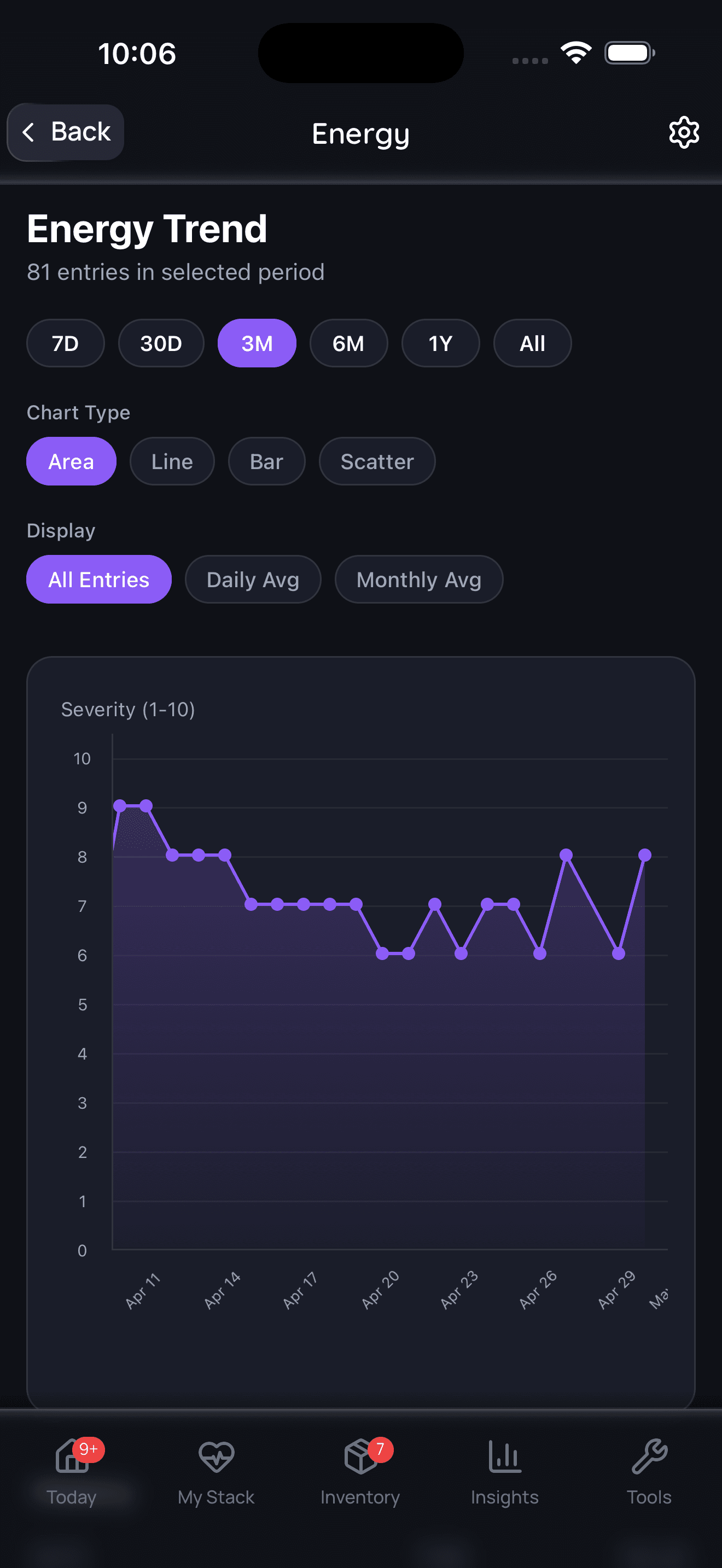
Symptom tracking is informational and should be interpreted with a qualified clinician.
Side Effects & Safety
The Basics
Apple cider vinegar is generally considered safe when used in typical culinary amounts (a tablespoon or two per day, diluted). However, it carries real safety concerns that deserve more attention than they typically receive in marketing materials, particularly around dental health, esophageal injury, and interactions with medications.
The most well-documented risk is tooth enamel erosion. Acetic acid at ACV's pH level (2.5-3.5) is acidic enough to dissolve the protective enamel coating on teeth with repeated exposure. One published case documented severe dental decay in a teenager who consumed a cup of undiluted ACV daily [5][11]. Even diluted ACV, consumed regularly without protective measures (straw, water rinse, delayed brushing), can gradually weaken enamel.
Esophageal injury has been reported, particularly with ACV tablets. One clinical evaluation found that commercial ACV tablet products had highly variable pH, acidity, and composition, and reported a case of esophageal burns from tablet ingestion [5]. Liquid ACV can also cause throat irritation or burning if swallowed undiluted.
For people taking diabetes medications, blood pressure medications, or diuretics, ACV may amplify the effects of these drugs, potentially causing dangerously low blood sugar or potassium levels [11]. Cases of hypokalemia (low potassium), including at least one case of cardiac arrest, have been linked to chronic high-dose ACV consumption [11].
Stomach discomfort, nausea, and aggravation of acid reflux are reported by some users, particularly when ACV is taken on an empty stomach or at higher doses. People with gastroparesis should avoid ACV, as the delayed gastric emptying effect can worsen their condition.
The Science
Dental Erosion: The pH of ACV (2.5-3.5) is below the critical pH for enamel dissolution (approximately 5.5). Chronic exposure to acidic foods and beverages at this pH range is established to cause erosive tooth wear. The American Dental Association has addressed ACV specifically as a dental erosion risk [11]. Erosion is cumulative and irreversible.
Esophageal Injury: Hill et al. (2005) documented esophageal ulceration from ACV tablet ingestion and evaluated 8 commercial ACV tablet products, finding "considerable variability in tablet size, pH, component acid content, and label claims" [5]. Acetic acid from vinegar has been identified as "the most common acid that caused throat burns" in a review of caustic liquid ingestion in children [5].
Hypokalemia: Case reports document hypokalemia in patients consuming large amounts of ACV chronically. The mechanism involves renal potassium wasting due to chronic acid loading. One case involved a woman consuming 250 mL daily for 6 years, who developed both hypokalemia and osteoporosis [11]. Concurrent diuretic use compounds this risk.
Drug Interactions:
- Insulin and oral hypoglycemics: ACV's glucose-lowering effect may potentiate these medications, increasing hypoglycemia risk [11]
- Diuretics (thiazide, loop): Both ACV and diuretics promote potassium excretion; combined use may cause dangerous hypokalemia [11]
- Digoxin (Lanoxin): Low potassium from ACV consumption can increase digoxin toxicity risk [11]
- Blood pressure medications: ACV may enhance hypotensive effects
Gastrointestinal Effects: Nausea and stomach burning have been reported in clinical trials as adverse effects [6]. Delayed gastric emptying, while beneficial for glycemic control, may exacerbate gastroparesis symptoms. Effects on acid reflux are paradoxical and individual, with some users reporting improvement and others reporting worsening.
Skin Burns: Undiluted topical application of ACV can cause chemical burns. Multiple case reports document skin injuries from ACV used as a home remedy for moles, warts, and skin infections [11].
Managing side effect risks across a multi-supplement stack can feel overwhelming, especially when interactions between supplements, medications, and foods add layers of complexity. Doserly brings all of that into a single safety view so nothing falls through the cracks.
Rather than researching every possible interaction yourself, the app checks your full stack automatically and flags supplement-drug and supplement-supplement interactions that warrant attention. If you do experience something unexpected, logging it takes seconds, and over time the app helps you spot patterns: whether symptoms correlate with specific doses, timing, or combinations. One place for the safety picture that matters most when your stack grows beyond a few bottles.
Connect protocol changes to labs and health markers.
Doserly can keep lab results, biomarkers, symptoms, and dose history close together so follow-up conversations have better context.
Insights
Labs and trends
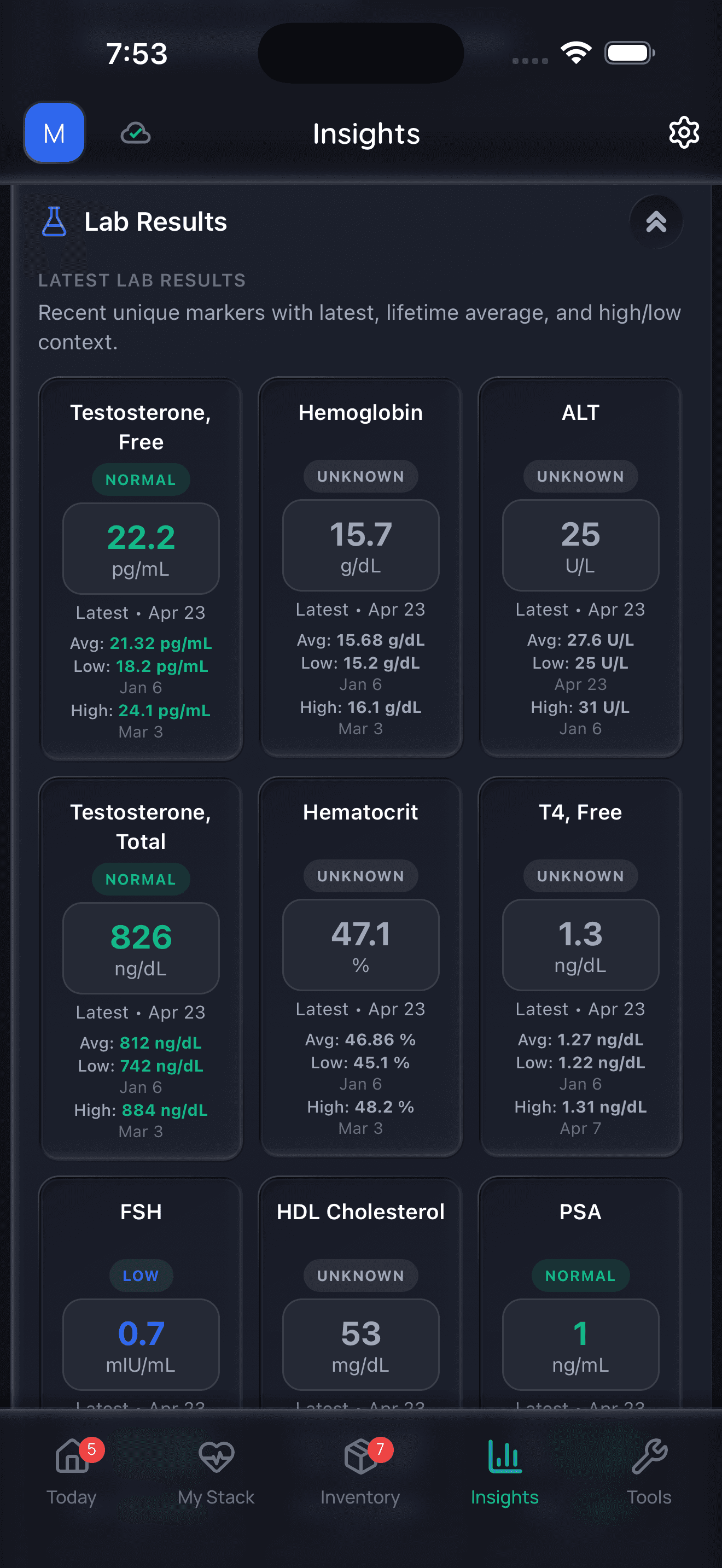
Doserly organizes data; it does not diagnose or interpret labs for you.
Dosing & Usage Protocols
The Basics
The most commonly studied dose of apple cider vinegar is 15-30 mL (1-2 tablespoons) of liquid ACV per day, diluted in a full glass of water (approximately 250 mL). This is the dose range used in the majority of clinical trials, and it represents a reasonable starting point for most people considering ACV supplementation [4][6][7].
The dose-response data from a 2025 meta-analysis suggests a linear relationship: higher doses tend to produce larger effects on blood sugar, with each additional 1 mL/day associated with an approximately 1.26 mg/dL reduction in fasting blood sugar [10]. For body composition outcomes, 30 mL/day showed stronger effects than 15 mL/day in pooled analyses [7]. However, higher doses also carry greater risk of GI discomfort, tooth enamel exposure, and hypokalemia with chronic use.
For most people new to ACV, starting with 15 mL (1 tablespoon) daily and observing tolerability before increasing makes practical sense. The standard approach is to dilute it in a full glass of water and consume it before or with a meal, particularly a carbohydrate-containing meal, to maximize the blood sugar modulating effects.
Duration matters. The clinical data suggests that effects on fasting blood glucose are more pronounced with interventions lasting 8 weeks or longer, and lipid benefits appear to require more than 8 weeks to become significant [6]. Short-term use (less than 4 weeks) may produce minimal effects.
The Science
Dose Ranges from Clinical Evidence:
Dose
15 mL/day
- Duration
- 12 weeks
- Population
- Obese (Kondo 2009)
- Key Findings
- Significant reductions in body weight (-1.2 kg), BMI, waist circumference, triglycerides [6]
Dose
30 mL/day
- Duration
- 12 weeks
- Population
- Obese (Kondo 2009)
- Key Findings
- Larger reductions than 15 mL arm: body weight (-1.9 kg), BMI, waist circumference, triglycerides [6]
Dose
20 mL/day
- Duration
- 8 weeks
- Population
- T2DM (Bashiri 2014, Mohammadpourhodki 2019)
- Key Findings
- Significant FPG and lipid reductions [6]
Dose
30 mL/day
- Duration
- 8 weeks
- Population
- T2DM (Jafaridad 2023)
- Key Findings
- Significant reductions: weight (-2.37 kg), HbA1c (-1.42%), LDL (-25 mg/dL) [4]
Dose
15 mL/day
- Duration
- 4 weeks
- Population
- T2DM (Halima 2017)
- Key Findings
- Significant FPG and triglyceride reductions [6]
Dose-Response Relationship: Linear regression analysis identified a dose-response relationship for FPG, with each 1 mL/day increase associated with a -1.255 mg/dL reduction (P < 0.001) [10]. Greater improvements were observed at dosages exceeding 10-15 mL/day [10].
Duration-Response: Subgroup analysis showed that FPG reductions were significant with interventions longer than 8 weeks (-3.78 mg/dL; 95% CI: -6.90, -0.66) and total cholesterol reductions were significant after more than 8 weeks (-7.61 mg/dL; 95% CI: -14.29, -0.94) [6].
Form Considerations: All major clinical trials used liquid vinegar at approximately 5% acetic acid concentration. Tablet and capsule forms have not been systematically studied in RCTs and may deliver insufficient acetic acid to replicate the effects observed with liquid ACV [5].
When your stack includes several supplements, each with its own dose, form, and timing requirements, the logistics alone can derail consistency. Doserly consolidates all of it into one protocol view, so every dose across your entire routine is accounted for without spreadsheets or guesswork.
The app also tracks cumulative intake for nutrients that appear in multiple products. If your multivitamin, standalone supplement, and fortified protein shake all contain the same nutrient, Doserly adds them up and shows you the total alongside recommended and upper limits. Managing a thoughtful supplement protocol shouldn't require a degree in nutrition science. The app handles the complexity so you can focus on staying consistent.
Turn symptom and safety notes into a clearer timeline.
Doserly helps you log doses, symptoms, and safety observations side by side so patterns are easier to discuss with a qualified clinician.
Pattern view
Logs and observations

Pattern visibility is informational and should be reviewed with a clinician.
What to Expect (Timeline)
Based on available clinical data and user reports, the following timeline represents commonly reported experiences. Individual responses vary significantly based on baseline health status, dosage, form used, and concurrent dietary habits.
Week 1-2:
Most people notice the immediate sensory experience: the strong sour taste, possible slight nausea if taken on an empty stomach, and mild warming sensation in the throat. Some users report reduced bloating after meals within the first few days. Blood sugar effects may begin to appear, particularly the blunting of post-meal glucose spikes when ACV is consumed before carbohydrate-heavy meals.
Week 3-4:
Digestive effects tend to stabilize. Users who experience reduced bloating and improved post-meal comfort often report consistent benefits by this point. Appetite-related effects, if they occur, typically become noticeable as a subtle reduction in hunger between meals. Most clinical trials did not measure outcomes until at least 4 weeks, so this is the earliest point at which metabolic effects might be detectable.
Week 5-8:
This is the window where fasting blood sugar reductions become measurable in clinical studies. The 2025 dose-response meta-analysis found significant FPG effects at dosages above 15 mL/day and durations of 8 weeks or longer [10]. Users who monitor their blood glucose may begin to see modest downward trends in fasting readings.
Week 8-12:
The full range of clinical benefits observed in trials tends to manifest by this point. Lipid improvements (total cholesterol, triglycerides in diabetic populations) appear after 8 or more weeks of consistent use [6]. Body weight changes, if present, are typically in the range of 1-3 kg over this period [7]. Users who have not observed any benefits by 12 weeks are unlikely to experience meaningful effects with continued use at the same dose.
Beyond 12 weeks:
Long-term data is limited. Most clinical trials lasted 4-12 weeks. Users who continue ACV supplementation beyond this should be mindful of cumulative risks, particularly dental enamel erosion and potassium depletion with higher doses. Periodic dental check-ups and, for those at risk, potassium monitoring may be prudent.
Interactions & Compatibility
Synergistic
- Chromium: Both ACV and chromium support glucose metabolism through complementary mechanisms. Chromium enhances insulin receptor sensitivity, while ACV slows carbohydrate digestion and hepatic glucose output. Combining them may provide additive blood sugar management support.
- Berberine: Berberine activates AMPK similarly to acetic acid and has its own evidence base for glucose and lipid management. The combination is sometimes used by individuals seeking broader metabolic support, though no controlled trials have studied the specific pairing.
- Cinnamon Extract (Ceylon): Ceylon cinnamon has independent evidence for mild glucose-lowering effects. The combination with ACV targets multiple mechanisms of glycemic control.
- Prebiotic Fibers: Soluble fibers slow carbohydrate absorption and support gut microbiome health, complementing ACV's gastric emptying delay and potential microbiome-modulating effects.
- Psyllium Husk: Psyllium's viscous fiber slows glucose absorption and supports lipid management, complementing ACV's glycemic effects.
Caution / Avoid
- Magnesium: ACV's chronic acid load may increase urinary mineral excretion. High-dose, long-term ACV use alongside magnesium supplementation may reduce magnesium retention. Not a strong interaction at moderate doses, but worth noting for users with deficiency concerns.
- Insulin and oral hypoglycemic medications: ACV's glucose-lowering effects may potentiate these medications, increasing the risk of hypoglycemia. Blood sugar should be monitored closely if combining ACV with diabetes medications [11].
- Diuretics (thiazide, loop diuretics): Both ACV (chronic, high-dose) and diuretics promote potassium excretion. Combined use may increase the risk of hypokalemia [11].
- Digoxin: ACV-induced hypokalemia can increase digoxin toxicity. Users on digoxin should consult their healthcare provider before regular ACV use [11].
- Potassium-depleting medications (general): Any medication that lowers potassium levels should prompt caution when combined with chronic ACV use.
- Digestive Enzymes: ACV slows carbohydrate digestion as part of its mechanism; digestive enzymes accelerate it. These opposing mechanisms may partially cancel each other's effects on postprandial glucose response. Not dangerous, but potentially counterproductive if glucose management is the goal.
How to Take / Administration Guide
Recommended forms: Liquid apple cider vinegar at approximately 5% acetic acid concentration is the form studied in clinical trials and most likely to deliver the reported benefits. Raw, unfiltered ACV (with the "mother") is commonly preferred by users, though no clinical trial has demonstrated superiority of raw over pasteurized ACV.
Preparation: Dilute 15-30 mL (1-2 tablespoons) in a full glass (approximately 250 mL) of water. Never consume ACV undiluted, as the acidity can damage tooth enamel, esophageal tissue, and stomach lining.
Timing considerations: Most clinical trials administered ACV before or with meals. The glucose-lowering effect is most relevant when consumed before or with carbohydrate-containing meals. Some users prefer a morning dose before breakfast; others divide the daily amount between meals. Consistency of timing appears more important than the specific time chosen.
Dental protection: Use a straw to minimize contact with teeth. Rinse the mouth with plain water immediately after consuming ACV. Wait at least 30-60 minutes before brushing teeth, as brushing immediately after acid exposure can further damage softened enamel.
Stacking guidance: ACV can be taken alongside most other supplements. However, separate ACV from digestive enzymes if glucose management is a priority (opposing mechanisms). Monitor blood sugar closely if combining with glucose-lowering supplements like berberine, chromium, or cinnamon.
Cycling guidance: No evidence supports the need for cycling ACV. Most clinical trials used continuous daily supplementation for 4-12 weeks. However, long-term continuous use (months to years) warrants attention to dental health and potassium levels.
Capsule/tablet users: If using non-liquid forms, be aware that acetic acid content varies widely between products and may be insufficient to produce the effects seen in clinical trials. Take capsules with a full glass of water to reduce esophageal injury risk.
Choosing a Quality Product
Liquid vs. non-liquid forms: Based on available evidence, liquid ACV at approximately 5% acetic acid is the form most likely to deliver clinically meaningful amounts of acetic acid. Capsule, tablet, and gummy products have shown "considerable variability between brands in tablet size, pH, component acid content, and label claims" in product evaluations [5], and no head-to-head clinical trial has demonstrated equivalent efficacy.
Third-party certifications: Look for products with USP Verified, NSF Certified, or ConsumerLab-approved designations, which verify that the product contains what it claims and is free from contaminants. For athletes, Informed Sport or NSF Certified for Sport certification provides additional banned substance testing.
"With the mother" claims: Raw, unfiltered ACV containing the "mother" (the cloudy sediment of Acetobacter cellulose matrix) is marketed as superior, but no controlled study has demonstrated that the "mother" adds health benefits beyond the acetic acid content. Users who prefer it are not harming themselves, but they should not expect additional benefits.
Red flags:
- Products making specific disease treatment or cure claims
- ACV gummies with significant added sugars (the sugar may negate any metabolic benefit)
- Tablets with unclear or unverified acetic acid content
- Products advertising "detox" or "cleanse" properties (unsupported by evidence)
- Mega-dose formulations significantly exceeding 30 mL/day equivalent
Acidity verification: Some brands advertise their acidity level (typically 5% for food-grade ACV). Higher acidity does not necessarily mean better, and concentrations significantly above 5% increase the risk of tissue damage.
Storage & Handling
Apple cider vinegar has a long shelf life due to its acidic pH, which naturally inhibits microbial growth. Store in a cool, dark place away from direct sunlight. No refrigeration is required, though refrigeration does not harm the product. Keep the bottle tightly sealed to prevent evaporation and contamination.
The "mother" in raw, unfiltered ACV may continue to grow and create strands or a thicker layer over time. This is normal and does not indicate spoilage. Shake the bottle before use to redistribute the "mother."
ACV does not have a strict expiration date, but flavor and acidity may change over years of storage. Most manufacturers recommend using within 2-3 years of purchase for optimal quality.
Capsules, tablets, and gummies should be stored according to manufacturer instructions, typically in a cool, dry place. Gummies are particularly sensitive to heat and may melt or degrade at elevated temperatures.
Lifestyle & Supporting Factors
Dietary sources of acetic acid: ACV is not the only source of acetic acid. All vinegars (white, red wine, balsamic, rice) contain acetic acid at similar concentrations and may produce similar metabolic effects. The clinical evidence for ACV's benefits is likely attributable to the acetic acid content rather than apple-specific compounds, which are present only in trace amounts.
Diet: A balanced diet rich in fiber, whole grains, and vegetables supports the blood sugar management effects of ACV. High-fiber meals naturally slow glucose absorption, complementing ACV's mechanism. Conversely, relying on ACV while consuming a highly processed, high-sugar diet is unlikely to produce meaningful benefits.
Exercise: Regular physical activity improves insulin sensitivity and glucose metabolism through mechanisms independent of ACV. Exercise is likely to produce larger and more reliable metabolic improvements than ACV supplementation alone.
Hydration: Adequate water intake is essential when taking ACV, both for dilution (to protect teeth and esophagus) and to support renal function, particularly if chronic use leads to increased potassium excretion.
Blood sugar monitoring: For individuals with diabetes or prediabetes, monitoring blood glucose regularly while using ACV is advisable. This allows detection of any glucose-lowering effects (beneficial) and helps avoid potential hypoglycemia if ACV is combined with diabetes medications.
Dental hygiene: Users should inform their dentist about regular ACV consumption. Dental erosion from acidic food and beverage consumption is cumulative, and early detection allows preventive measures.
Regulatory Status & Standards
United States (FDA): Apple cider vinegar as a food product is regulated under general food safety provisions. When sold as a dietary supplement (capsules, tablets, gummies), ACV falls under DSHEA and is subject to GMP requirements for dietary supplements. The FDA does not evaluate ACV supplements for efficacy. The FDA has not issued specific safety alerts or warning letters regarding ACV supplements, but has general authority to act against products with misleading health claims.
Canada (Health Canada): ACV is available as a natural health product (NHP). Products making health claims require a Natural Product Number (NPN) and must comply with monograph standards.
European Union (EFSA): ACV as a food ingredient is subject to general food regulations. No authorized health claims have been established for ACV by EFSA. Supplement forms must comply with the Food Supplements Directive (2002/46/EC).
Australia (TGA): ACV is available as a listed medicine or complementary medicine product under TGA regulations.
Active Clinical Trials: Multiple ongoing trials are registered on ClinicalTrials.gov investigating ACV for metabolic syndrome, type 2 diabetes management, weight loss, and postprandial glycemic response.
Athlete & Sports Regulatory Status:
- WADA: Apple cider vinegar and acetic acid are not on the WADA Prohibited List. ACV does not contain any substance classified under categories S0-S9, M1-M3, or P1.
- National Anti-Doping Agencies: No specific guidance or alerts have been issued by USADA, UKAD, Sport Integrity Canada, Sport Integrity Australia, or NADA Germany regarding ACV.
- Professional Sports Leagues: ACV is not banned or restricted by NFL, NBA, MLB, NHL, MLS, or NCAA substance policies.
- NCAA: ACV is not on the NCAA banned substance list. However, as with all supplements, NCAA athletes should use products certified by NSF Certified for Sport or Informed Sport when provided by athletic departments.
- Athlete Certification Programs: ACV-containing products are available with Informed Sport certification, indicating batch testing for prohibited substances. NSF Certified for Sport and Cologne List-certified ACV products may also be available.
- GlobalDRO: ACV is not listed as a prohibited substance on GlobalDRO.com.
Regulatory status and prohibited substance classifications change frequently. Athletes should always verify the current status of any supplement with their sport's governing body, their national anti-doping agency, and a qualified sports medicine professional before use. Third-party certification (Informed Sport, NSF Certified for Sport) reduces but does not eliminate the risk of contamination with prohibited substances.
Frequently Asked Questions
Does apple cider vinegar help with weight loss?
Based on available research, ACV may contribute to modest weight loss when combined with dietary and lifestyle modifications. Meta-analyses of clinical trials show small but statistically significant reductions in body weight (approximately 1-3 kg over 8-12 weeks) with daily ACV consumption [7]. However, the most widely publicized weight loss study (Abou-Khalil et al., 2024) was retracted in September 2025 [2], which weakens the strongest claims. ACV is not a standalone weight loss solution and should not be relied upon as a primary strategy.
Is liquid ACV better than gummies or pills?
The clinical evidence for ACV's benefits comes from studies using liquid vinegar at approximately 5% acetic acid concentration. Evaluations of commercial ACV tablets and capsules have found significant variability in acetic acid content and label accuracy [5]. Gummy products typically contain very low amounts of acetic acid. While no head-to-head clinical trial has compared forms directly, compositional data suggests that liquid ACV delivers substantially more acetic acid than non-liquid forms.
Can ACV damage my teeth?
Yes. The pH of ACV (2.5-3.5) is below the critical threshold for enamel dissolution. Regular consumption without protective measures can lead to enamel erosion, increased tooth sensitivity, and cavity risk. Dental professionals recommend diluting ACV, drinking through a straw, rinsing with water after consumption, and waiting at least 30-60 minutes before brushing teeth [11].
How much ACV should I take per day?
Clinical trials have studied doses ranging from 15 to 30 mL per day of liquid ACV. The most commonly cited range for general wellness is 15 mL (1 tablespoon) daily, while some studies used 30 mL for metabolic outcomes. A dose-response relationship has been observed, with larger effects at higher doses, but higher doses also increase the risk of GI discomfort and other side effects [10]. Healthcare providers can offer personalized guidance based on individual health status and goals.
Does the "mother" in ACV matter?
The "mother" is a cellulose biofilm produced by Acetobacter bacteria during fermentation. It contains bacterial cellulose and trace acetic acid bacteria. While often marketed as the "beneficial" part of ACV, no controlled clinical trial has demonstrated that ACV with the "mother" produces different health outcomes than pasteurized ACV without it. The health effects observed in clinical trials are attributed to acetic acid content, not the bacterial culture.
Can I take ACV if I have diabetes?
ACV has shown modest blood sugar-lowering effects in clinical trials involving type 2 diabetes patients [4][6][10]. However, if you are taking insulin or oral hypoglycemic medications, adding ACV may increase the risk of hypoglycemia (dangerously low blood sugar). Anyone with diabetes should consult their healthcare provider before starting regular ACV supplementation, particularly to coordinate dosing with existing medications.
Does ACV interact with medications?
ACV may interact with insulin and diabetes medications (increased hypoglycemia risk), diuretics (increased hypokalemia risk), digoxin (hypokalemia increases digoxin toxicity), and blood pressure medications (enhanced hypotensive effects) [11]. Anyone taking prescription medications should discuss ACV use with their healthcare provider.
Is ACV safe during pregnancy?
There is insufficient safety data on ACV supplementation during pregnancy or breastfeeding. While small amounts used in cooking are generally considered safe, concentrated supplemental doses have not been studied in pregnant populations. Pregnant and nursing individuals should consult their healthcare provider before using ACV as a supplement.
How long does it take for ACV to work?
Based on clinical trials, post-meal blood sugar blunting may occur acutely (within the same meal). Fasting blood sugar improvements typically require 4-8 weeks of consistent use. Lipid improvements may take 8-12 weeks. Weight changes, if they occur, are typically measured over 8-12 weeks [6][7][10].
Can ACV cure acid reflux?
There is no clinical evidence that ACV cures or effectively treats acid reflux (GERD). Anecdotal reports are contradictory, with some users reporting improvement and others reporting worsening of symptoms. Given ACV's acidic pH, it may aggravate reflux in many individuals. People with diagnosed GERD should consult their gastroenterologist before using ACV.
Myth vs. Fact
Myth: Apple cider vinegar is a powerful weight loss supplement that can help you lose significant weight quickly.
Fact: Meta-analyses of clinical trials show modest weight reductions of approximately 1-3 kg over 8-12 weeks with daily ACV use, and only when combined with dietary modifications [6][7]. The most-cited "dramatic" weight loss study was retracted in 2025 [2]. ACV is not a fast-acting or powerful weight loss agent.
Myth: ACV "detoxifies" the body by flushing out toxins.
Fact: There is no scientific evidence that ACV has detoxifying properties. The human body has dedicated detoxification organs (liver, kidneys) that function independently of vinegar consumption. The "detox" claim is marketing language without a defined biological mechanism or clinical evidence.
Myth: The "mother" in raw ACV is what makes it effective.
Fact: The "mother" is a cellulose biofilm produced during fermentation. While often marketed as the active ingredient, the health effects observed in clinical trials are attributed to acetic acid, which is present in equal concentrations in both raw and pasteurized ACV. No clinical trial has shown that ACV with the "mother" outperforms ACV without it.
Myth: ACV gummies are just as effective as liquid ACV.
Fact: Gummy products contain substantially less acetic acid than liquid ACV and often include added sugars. Product evaluations have found that commercial ACV tablets and capsules have inconsistent and inaccurate labeling of acetic acid content [5]. All major clinical trials used liquid vinegar, not gummy or pill forms.
Myth: ACV can cure diabetes.
Fact: ACV has shown modest blood sugar-lowering effects in clinical trials (fasting glucose reductions of approximately 8-22 mg/dL), but these are supplementary effects, not a cure [6][10]. ACV does not replace diabetes medication, dietary management, or medical supervision. It may serve as a modest complementary tool in a broader management plan.
Myth: ACV is completely safe because it's natural.
Fact: ACV carries documented risks including tooth enamel erosion, esophageal injury (particularly from tablets), hypokalemia with chronic high-dose use, and drug interactions with insulin, diuretics, and digoxin [5][11]. "Natural" does not mean risk-free.
Myth: ACV kills harmful gut bacteria while preserving good bacteria.
Fact: While acetic acid has antimicrobial properties in laboratory settings, there is no evidence that ACV selectively eliminates harmful bacteria in the human gut while sparing beneficial species [8]. The gut environment is far more complex than a petri dish, and ACV's effects on the human microbiome are not well characterized.
Myth: More ACV is always better.
Fact: While dose-response data suggests stronger effects at higher doses (30 mL/day vs. 15 mL/day), higher doses also increase the risk of adverse effects including GI discomfort, enamel erosion, and potassium depletion [7][10][11]. Chronic consumption of large amounts (250+ mL/day) has been associated with hypokalemia and osteoporosis in case reports.
Sources & References
Clinical Trials & RCTs
[1] Johnston CS, Gaas CA. "Vinegar: medicinal uses and antiglycemic effect." MedGenMed. 2006;8(2):61.
[2] Abou-Khalil R, et al. "Apple cider vinegar for weight management in Lebanese adolescents and young adults with overweight and obesity: a randomised, double-blind, placebo-controlled study." BMJ Nutrition, Prevention & Health. 2024. RETRACTED (BMJ Nutr Prev Health. 2025 Sep 23;8(2):693).
[3] Johnston CS, Kim CM, Buller AJ. "Vinegar improves insulin sensitivity to a high-carbohydrate meal in subjects with insulin resistance or type 2 diabetes." Diabetes Care. 2004;27(1):281-282.
[4] Jafaridad M, et al. "The improvement effect of apple cider vinegar as a functional food on anthropometric indices, blood glucose and lipid profile in diabetic patients: a randomized controlled clinical trial." BMC Complement Med Ther. 2023;23(1):424.
[5] Hill LL, Woodruff LH, Foote JC, Barreto-Alcoba M. "Esophageal injury by apple cider vinegar tablets and subsequent evaluation of products." J Am Diet Assoc. 2005;105(7):1141-1144.
Systematic Reviews & Meta-Analyses
[6] Hadi A, Pourmasoumi M, Najafgholizadeh A, Clark CCT, Esmaillzadeh A. "The effect of apple cider vinegar on lipid profiles and glycemic parameters: a systematic review and meta-analysis of randomized clinical trials." BMC Complement Med Ther. 2021;21(1):179.
[7] "Effect of Apple Cider Vinegar Intake on Body Composition in Humans with Type 2 Diabetes and/or Overweight: A Systematic Review and Meta-Analysis of Randomized Controlled Trials." Nutrients. 2025.
[8] "Beneficial effect of vinegar consumption associated with regulating gut microbiome and metabolome." Food Science and Human Wellness. 2024;13(1):171-181.
[9] Kondo T, Kishi M, Fushimi T, Ugajin S, Kaga T. "Vinegar intake reduces body weight, body fat mass, and serum triglyceride levels in obese Japanese subjects." Biosci Biotechnol Biochem. 2009;73(8):1837-1843.
[10] "Effects of apple cider vinegar on glycemic control and insulin sensitivity in patients with type 2 diabetes: A GRADE-assessed systematic review and dose-response meta-analysis of controlled clinical trials." Frontiers in Nutrition. 2025;12:1528383.
Safety & Regulatory Sources
[11] Multiple sources compiled: American Dental Association guidance on ACV and dental erosion; FDA dietary supplement regulations; Drug interaction databases (Drugs.com, WebMD); Case reports on hypokalemia (various); WADA Prohibited List 2025.
Related Supplement Guides
Same Category
Common Stacks / Pairings
Related Health Goal
- Magnesium (metabolic support, blood sugar regulation)
- Probiotics (Lactobacillus) (gut health, digestive support)