
Chia Seed: The Complete Supplement Guide
On this page
Quick Reference Card
Attribute
Common Name
- Detail
- Chia Seed
Attribute
Other Names / Aliases
- Detail
- Salvia hispanica, Salba, Salba-chia, chiapinolli (historical)
Attribute
Category
- Detail
- Specialty Seed (Fiber / Omega-3 Source)
Attribute
Primary Forms & Variants
- Detail
- Whole seeds (black or white), ground/milled seeds, chia seed oil, chia flour; white chia (Salba variety) has a more standardized nutritional profile
Attribute
Typical Dose Range
- Detail
- 15-25 g per day (approximately 1-2 tablespoons); studies have used 7-50 g daily
Attribute
RDA / AI / UL
- Detail
- No established RDA, AI, or UL for chia seeds specifically. EFSA recommends no more than 15 g/day as a novel food addition. Chia contributes to general fiber AI (25-38 g/day) and omega-3 AI (1.1-1.6 g ALA/day).
Attribute
Common Delivery Forms
- Detail
- Whole seeds, ground seeds, capsules (chia oil), powder, incorporated into food products
Attribute
Best Taken With / Without Food
- Detail
- Consumed as part of a meal or mixed into food/beverages. Soaking in liquid for at least 10-15 minutes before consumption is widely recommended for safety and digestibility.
Attribute
Key Cofactors
- Detail
- Vitamin C (enhances non-heme iron absorption from chia), adequate water intake (critical for fiber function), calcium (may bind oxalates)
Attribute
Storage Notes
- Detail
- Store in a cool, dry place. Refrigeration extends shelf life and prevents pest infestation. Ground chia oxidizes faster than whole seeds. Shelf life approximately 2-4 years for whole seeds when properly stored.
Overview
The Basics
Chia seeds are tiny, dark-colored seeds from the plant Salvia hispanica, a member of the mint family native to southern Mexico and northern Guatemala. Despite their small size, they pack a dense nutritional punch: high in fiber, omega-3 fatty acids, protein, and minerals. The Aztecs and Mayans consumed chia as a staple food centuries ago, reportedly using it as a portable energy source for warriors and runners.
In recent years, chia seeds have surged in popularity as a "superfood," landing in everything from smoothies and oatmeal to puddings and baked goods. The appeal is straightforward: they are one of the richest plant sources of omega-3 fatty acids (specifically alpha-linolenic acid, or ALA), they contain about 34% fiber by weight, and they deliver meaningful amounts of calcium, magnesium, phosphorus, and iron in a small serving.
What makes chia particularly convenient compared to some other seeds is that they do not need to be ground to release their nutrients (unlike flaxseed). They also absorb up to 12 times their weight in water, forming a gel that contributes to the feeling of fullness and may help support digestive regularity. That said, the clinical evidence for chia's health benefits beyond fiber and basic nutrition is more modest than the marketing hype often suggests. Most well-designed studies show chia is a solid nutritional food, not a miracle weight loss or disease-prevention tool [1][2][3].
The Science
Chia (Salvia hispanica L.) is an annual herbaceous plant of the family Lamiaceae, cultivated primarily in Mexico, Bolivia, Argentina, Ecuador, and Guatemala. The seeds are classified as an oilseed and technically a grain product, with a macronutrient profile of approximately 30-34% fat, 30-34% dietary fiber, 16-25% protein, and 26-41% non-fibrous carbohydrates by dry weight [1][4].
The plant has been cultivated since pre-Columbian times. Archaeological and historical records indicate chia was one of four main crops of the Aztec civilization (alongside maize, beans, and amaranth), where it was consumed as food, used as medicine, and offered as religious tribute. The roasted form was known as "chiapinolli" in colonial-era records [2][5].
Chia gained renewed scientific attention in the early 2000s following emerging research on omega-3 fatty acids and dietary fiber. The European Union authorized chia seeds as a novel food in 2009, with expanded uses approved in subsequent EFSA evaluations (2019, 2023). In the United States, chia holds Generally Recognized as Safe (GRAS) status as a food ingredient and is regulated as a dietary supplement under DSHEA when sold in supplement form [4][6].
A 2019 comprehensive review in Nutrients characterized chia seeds as a valuable source of antioxidants and nutrients, particularly protein, fat, and dietary fiber, with additional significance as a mineral source (calcium, phosphorus, magnesium, iron, zinc) [4]. However, the same body of literature consistently notes that clinical evidence for health benefits beyond basic nutritional contribution remains limited and inconsistent [2][7].
Chemical & Nutritional Identity
Property
Scientific Name
- Value
- Salvia hispanica L.
Property
Family
- Value
- Lamiaceae (mint family)
Property
Plant Type
- Value
- Annual herbaceous plant
Property
Seed Colors
- Value
- Black, dark brown, gray, white (Salba variety is white)
Property
USDA FDC ID
- Value
- 170554
Property
Category
- Value
- Oilseed / Grain product
Macronutrient Profile (per 100g, USDA)
Nutrient
Energy
- Amount
- 486 kcal
Nutrient
Protein
- Amount
- 16.5 g
Nutrient
Total fat
- Amount
- 30.7 g
Nutrient
Carbohydrate
- Amount
- 42.1 g
Nutrient
Dietary fiber
- Amount
- 34.4 g
Nutrient
Net carbohydrates
- Amount
- ~8 g
Mineral Content (per 100g, USDA)
Mineral
Calcium
- Amount
- 631 mg
- % DV
- 63%
Mineral
Iron
- Amount
- 7.7 mg
- % DV
- 97%
Mineral
Magnesium
- Amount
- 335 mg
- % DV
- 80%
Mineral
Phosphorus
- Amount
- 860 mg
- % DV
- 69%
Mineral
Potassium
- Amount
- 407 mg
- % DV
- 12%
Mineral
Zinc
- Amount
- 4.6 mg
- % DV
- 42%
Mineral
Copper
- Amount
- 0.9 mg
- % DV
- 100%
Mineral
Manganese
- Amount
- 2.7 mg
- % DV
- 117%
Mineral
Sodium
- Amount
- 16 mg
- % DV
- <1%
Vitamin Content (per 100g)
Vitamin
Thiamine (B1)
- Amount
- 0.6 mg
Vitamin
Riboflavin (B2)
- Amount
- 0.2 mg
Vitamin
Niacin (B3)
- Amount
- 8.8 mg
Vitamin
Vitamin C
- Amount
- 1.6 mg
Vitamin
Vitamin E
- Amount
- 0.5 mg
Vitamin
Folate
- Amount
- 49 mcg
Fatty Acid Profile
Chia seeds contain approximately 30-34% fat by weight, dominated by polyunsaturated fatty acids (PUFAs) at approximately 73-83% of total fatty acids:
Fatty Acid
Alpha-linolenic acid (ALA, omega-3)
- % of Total Fatty Acids
- 60-68%
Fatty Acid
Linoleic acid (LA, omega-6)
- % of Total Fatty Acids
- 17-21%
Fatty Acid
Oleic acid (MUFA)
- % of Total Fatty Acids
- 7-21%
Fatty Acid
Saturated fatty acids
- % of Total Fatty Acids
- 8-10%
Fatty Acid
Omega-6:omega-3 ratio
- % of Total Fatty Acids
- 0.27-0.35
Chia seeds have a higher omega-3 content than flaxseed and one of the most favorable omega-6 to omega-3 ratios among plant foods [4][8].
Phenolic Compounds
Key phenolic compounds include chlorogenic acid (7.1 mM/kg), caffeic acid (6.6 mM/kg, increasing to 13.5 mM/kg upon hydrolysis), quercetin (3.1 mM/kg), myricetin (1.1 mM/kg), and kaempferol (0.2 mM/kg). Total phenolic content has been quantified at approximately 0.88-0.92 mg/g gallic acid equivalents. No polyphenolics identified to date are unique to chia seeds [2][4].
Additional Notes
Chia seeds are gluten-free and suitable for individuals with celiac disease. Protein digestibility is approximately 78%. The seeds contain phytic acid (an antinutritional factor that may reduce mineral absorption) and trypsin inhibitors [4].
Mechanism of Action
The Basics
Chia seeds work through several straightforward mechanisms, most of which relate to their high fiber content and omega-3 fatty acid profile rather than any unique bioactive compound.
The most well-understood mechanism involves fiber and water absorption. Chia seeds contain about 34% fiber, mostly the insoluble type, and they can absorb up to 12 times their weight in water. When you eat chia seeds (especially soaked), this gel-forming property adds bulk to your digestive contents. Think of it like a sponge moving through your gut: it slows things down, helps you feel full, and promotes regular bowel movements. This gel also appears to slow the absorption of sugar from your meal, which is why some studies show reduced blood sugar spikes after eating chia-containing foods [2][9].
The omega-3 component is the other major mechanism. Chia is one of the richest plant sources of ALA (alpha-linolenic acid), a type of omega-3 that your body can partially convert into EPA and DHA, the more bioactive forms found in fish oil. This conversion is inefficient in humans (typically 5-10%), but the ALA itself may still contribute to anti-inflammatory processes and cardiovascular health markers [4][10].
The antioxidant compounds in chia (chlorogenic acid, caffeic acid, quercetin) provide some free radical scavenging activity, though the practical significance of this in the context of normal dietary intake remains to be established [4].
The Science
The biological effects of chia seeds are attributable to three primary components: dietary fiber, alpha-linolenic acid (ALA), and phenolic compounds.
Fiber mechanisms: Chia fiber is predominantly insoluble (85-93% IDF vs. 7-15% SDF) with a water-holding capacity approximately 2.5-fold greater than wheat bran [2]. The soluble fiber fraction forms a viscous gel upon hydration, which increases digesta viscosity in the upper gastrointestinal tract. This viscosity reduces the rate of glucose diffusion to the intestinal brush border, providing a mechanistic basis for the observed 21-48% reduction in postprandial glucose AUC when 7-24g chia is added to a 50g carbohydrate meal [2][9]. The insoluble fraction increases fecal bulk, reduces transit time, and promotes regularity through mechanical stimulation of intestinal motility [4].
Omega-3 fatty acid metabolism: ALA (18:3 n-3) constitutes approximately 60-68% of total fatty acids in chia seeds. Following ingestion, ALA is subject to desaturation and elongation via delta-6-desaturase and delta-5-desaturase enzymes to produce EPA (20:5 n-3) and subsequently DHA (22:6 n-3). In humans, this conversion is limited, with estimates of 5-10% for EPA and less than 1% for DHA [10][11]. Nevertheless, dietary ALA intake may exert anti-inflammatory effects through competition with arachidonic acid (20:4 n-6) for cyclooxygenase and lipoxygenase enzymes, modulating eicosanoid production toward less inflammatory prostaglandin and leukotriene profiles [4][12].
Antioxidant activity: In vitro assays demonstrate moderate antioxidant capacity for chia seed extracts, with DPPH radical scavenging and lipid peroxidation inhibition attributed primarily to chlorogenic acid, caffeic acid, and flavonol glycosides. The antioxidant capacity appears greater than other herbs in the Salvia genus [2]. However, bioavailability of these phenolics in vivo and their contribution to systemic antioxidant status at dietary intake levels have not been established.
Antinutritional factors: Chia seeds contain phytic acid (inositol hexaphosphate), which chelates divalent cations (Ca2+, Fe2+, Zn2+) and may reduce mineral bioavailability. Trypsin inhibitors are also present, potentially reducing protein digestibility below the measured 78% value [4].
Absorption & Bioavailability
The Basics
One of the practical advantages of chia seeds is that, unlike flaxseed, they do not need to be ground to release their nutrients. The outer shell of chia seeds is relatively permeable, allowing digestive enzymes and water to access the interior. That said, grinding chia seeds may still improve nutrient availability somewhat, particularly for the fatty acid and protein components [4].
The omega-3 fatty acids in chia (ALA) are absorbed through the normal fat digestion pathway in the small intestine. However, the body's conversion of ALA to the more active EPA and DHA forms is quite limited, typically only 5-10% for EPA and less than 1% for DHA. This means that while chia is an excellent source of plant-based omega-3, it does not replace marine sources like fish oil for delivering preformed EPA and DHA [10][11].
The fiber component, by definition, is largely not absorbed. It passes through the digestive tract, which is precisely how it provides its benefits: adding bulk, forming gel, and feeding beneficial gut bacteria. The minerals in chia (calcium, iron, magnesium, phosphorus) are generally bioavailable, though the phytic acid content may reduce absorption of some minerals, particularly iron and zinc. Consuming chia alongside vitamin C-rich foods may help counteract this effect for iron [4].
Soaking chia seeds in liquid for 10-15 minutes before consumption is widely recommended. This allows the gel to form before it reaches your stomach, reducing the risk of the seeds expanding in your esophagus and making the nutrients more accessible.
The Science
Macronutrient bioavailability: Chia seeds demonstrate acceptable nutrient release without milling, in contrast to Linum usitatissimum (flaxseed), which requires grinding to break the hard outer seed coat. The mucilaginous outer layer of chia hydrates upon contact with water, facilitating enzymatic access to interior nutrients [4]. Protein digestibility has been measured at approximately 78%, which is moderate compared to animal protein sources (>90%) but acceptable for plant proteins [4].
Fatty acid bioavailability: ALA from chia is absorbed via normal lipid digestion pathways (bile salt emulsification, pancreatic lipase hydrolysis, micellar solubilization, enterocyte uptake). Conversion of ALA to EPA proceeds at approximately 5-10% efficiency, with further elongation to DHA at less than 1%, limited primarily by delta-6-desaturase activity, which is competitively inhibited by linoleic acid [10][11]. This poor conversion efficiency means that chia's omega-3 contribution to EPA/DHA status is minimal compared to marine sources.
Mineral bioavailability: The presence of phytic acid (inositol hexaphosphate) in chia seeds creates chelation complexes with divalent cations, potentially reducing absorption of calcium, iron, zinc, and magnesium. Soaking, sprouting, or fermenting chia seeds may partially degrade phytic acid and improve mineral availability, though the magnitude of this effect in chia specifically has not been well characterized [4]. Concurrent consumption of ascorbic acid (vitamin C) can counteract phytate-mediated inhibition of non-heme iron absorption [4].
Water absorption: Chia seeds absorb approximately 10-12 times their dry weight in water, forming a mucilaginous gel composed primarily of soluble polysaccharides. This gel formation begins rapidly (within minutes) and reaches equilibrium in approximately 30 minutes. The high water-holding capacity (2.5x that of wheat bran) is the basis for the satiety and digestive effects [2].
Research & Clinical Evidence
The Basics
The research on chia seeds is growing but still relatively limited in quality. Multiple meta-analyses published in 2024-2025 have pooled results from available clinical trials, giving us a clearer picture of what the evidence actually supports.
Blood pressure is one area where chia shows the most consistent benefit. Across several meta-analyses, chia supplementation has been associated with modest reductions in both systolic and diastolic blood pressure. One pooled analysis of 8 trials found reductions of about 5.6 mmHg systolic and 7.5 mmHg diastolic [13]. These effects appear more pronounced in people with existing health conditions like type 2 diabetes compared to otherwise healthy individuals [2][13].
Blood sugar effects are mixed. Chia does appear to reduce post-meal blood sugar spikes when consumed with a carbohydrate-containing meal, likely through the gel-forming fiber slowing sugar absorption. However, longer-term measures of blood sugar control (like HbA1c) have not shown significant improvement with chia supplementation [2][7].
Weight loss is where chia's reputation most clearly outruns the evidence. Despite widespread marketing as a weight loss food, clinical trials have consistently failed to show that chia leads to significant weight loss compared to control groups. A small reduction in waist circumference has been observed in some studies, but body weight and BMI remain largely unaffected [7][13][14].
Cholesterol and lipids show inconsistent results. Some meta-analyses found modest triglyceride reductions with chia, while others found no significant effect. Effects on LDL and HDL cholesterol have been mostly null or small [7][14].
Inflammation is a more promising area. Chia supplementation has been associated with reductions in C-reactive protein (CRP), a marker of systemic inflammation, particularly in studies of individuals with type 2 diabetes or overweight [7][14].
The Science
The evidence base for chia seed supplementation has been substantially advanced by several systematic reviews and meta-analyses published in 2024-2025.
Blood pressure: A 2024 meta-analysis of 8 RCTs (n=372) reported significant reductions in both systolic blood pressure (WMD: -5.61 mmHg; 95% CI: -8.77 to -2.44; P = 0.001) and diastolic blood pressure (WMD: -7.49 mmHg; 95% CI: -9.64 to -5.34; P < 0.001) [13]. An umbrella review (2025) synthesizing data from approximately 2,500 participants across multiple meta-analyses confirmed significant reductions in both SBP (g = -0.119; 95% CI: -0.228 to -0.010) and DBP (g = -0.550; 95% CI: -0.718 to -0.382) [14]. Individual trials showed blood pressure reductions in type 2 diabetics (6.3 +/- 4.2 mmHg systolic; Vuksan et al.) but null results in otherwise healthy overweight adults given 50g/day for 12 weeks [2].
Glycemic parameters: Acute postprandial studies demonstrate dose-dependent reductions of 21-48% in glucose AUC when 7-24g chia is added to a 50g carbohydrate meal [2]. However, chronic supplementation (15g chia per 1000 kcal dietary intake) in type 2 diabetics failed to significantly influence HbA1c, fasting glucose, or insulin compared to wheat bran control [2]. A 2024 meta-regression analysis of 14 RCTs (n=835) similarly found no significant effects on FBG, HbA1c, or insulin with chia supplementation [7].
Lipid profile: Results are inconsistent across studies. A 2024 meta-analysis of 14 RCTs found notable decreases in triglycerides (WMD: -8.69 to -13.11 mg/dL) and LDL-C at higher doses [7]. However, a separate 2024 meta-analysis focusing on overweight subjects found no significant changes in TG, TC, HDL, or LDL [14]. The 2025 umbrella review noted a small but significant reduction in HDL-C (g = -0.093), which is an undesirable effect if confirmed [14].
Body composition: No significant effects on body weight (WMD: 0.09 kg; 95% CI: -0.76 to 0.93) or BMI (WMD: -0.31 kg/m2; 95% CI: -0.96 to 0.34) were found in meta-analysis [13]. A modest reduction in waist circumference (WMD: -1.46 cm; 95% CI: -2.68 to -0.25; P = 0.01) was observed [13]. One 12-week RCT in overweight adults comparing 50g/day chia to a calorie-matched control found no difference in weight loss [2].
Inflammation: CRP reduction was observed in a meta-analysis of overweight subjects [14], and in an individual trial of type 2 diabetics receiving chia versus wheat bran [2]. The 2025 umbrella review confirmed a significant reduction in CRP (g = -0.165) [14]. However, a 12-week trial of 50g/day in overweight adults found no changes in MCP, TNF-alpha, CRP, or IL-6 [2].
Overall evidence quality: The 2025 umbrella review rated the certainty of evidence as moderate to low across outcomes based on GRADE assessments [14]. The most consistent finding is modest blood pressure reduction, while effects on body weight, lipid profile, and glycemic markers are either null or inconsistent.
Evidence & Effectiveness Matrix
Category
Gut Health
- Evidence Strength
- 5/10
- Reported Effectiveness
- 7/10
- Summary
- Fiber content supports bowel regularity. Mechanistic data strong; clinical trial data limited. Community reports consistently positive for digestive regularity.
Category
Appetite & Satiety
- Evidence Strength
- 6/10
- Reported Effectiveness
- 7/10
- Summary
- Acute studies show 41-68% reduction in subjective appetite ratings with chia-containing meals. Community consistently reports increased fullness.
Category
Blood Pressure
- Evidence Strength
- 7/10
- Reported Effectiveness
- 4/10
- Summary
- Multiple meta-analyses show significant SBP and DBP reductions. Effect more pronounced in metabolic disease populations. Minimal community reports.
Category
Inflammation
- Evidence Strength
- 5/10
- Reported Effectiveness
- N/A
- Summary
- CRP reductions observed in meta-analyses, particularly in diabetic and overweight populations. Inconsistent across individual trials. Community data not collected for this category.
Category
Weight Management
- Evidence Strength
- 6/10
- Reported Effectiveness
- 3/10
- Summary
- Multiple RCTs and meta-analyses show no significant weight loss. Small waist circumference reduction. Community is largely skeptical.
Category
Heart Health
- Evidence Strength
- 5/10
- Reported Effectiveness
- 4/10
- Summary
- Lipid profile effects inconsistent; blood pressure benefit is cardiovascular-relevant. ALA contributes to omega-3 intake. Minimal community cardiovascular reports.
Category
Digestive Comfort
- Evidence Strength
- 4/10
- Reported Effectiveness
- 5/10
- Summary
- Mixed evidence. Fiber promotes regularity but can cause bloating and discomfort, especially if consumed dry or in excess. Community reports highly variable by preparation.
Category
Energy Levels
- Evidence Strength
- 2/10
- Reported Effectiveness
- 5/10
- Summary
- Historical/traditional use as energy food; minimal clinical evidence. Some positive community reports.
Category
Skin Health
- Evidence Strength
- 3/10
- Reported Effectiveness
- 3/10
- Summary
- Single small study (n=5) showed topical chia oil improved skin hydration. Minimal community data.
Category
Side Effect Burden
- Evidence Strength
- 5/10
- Reported Effectiveness
- 5/10
- Summary
- Generally well tolerated. GI issues at high doses or dry consumption. Choking risk. Rare allergic reactions.
Category
Treatment Adherence
- Evidence Strength
- N/A
- Reported Effectiveness
- 8/10
- Summary
- No clinical data. Community consistently praises ease of incorporation into diet.
Categories scored: 11
Categories with community data: 10
Categories not scored (insufficient data): Fat Loss, Muscle Growth, Food Noise, Sleep Quality, Focus & Mental Clarity, Memory & Cognition, Mood & Wellbeing, Anxiety, Stress Tolerance, Motivation & Drive, Emotional Aliveness, Emotional Regulation, Libido, Sexual Function, Joint Health, Pain Management, Recovery & Healing, Physical Performance, Hair Health, Heart Rate & Palpitations, Hormonal Symptoms, Temperature Regulation, Fluid Retention, Body Image, Immune Function, Bone Health, Longevity & Neuroprotection, Cravings & Impulse Control, Social Connection, Withdrawal Symptoms, Daily Functioning
Benefits & Potential Effects
The Basics
Chia seeds offer several practical benefits, though it is important to set expectations appropriately. The most well-supported benefit is their contribution to daily fiber intake. A single 25g serving provides about 9.4g of fiber, roughly a quarter of the daily recommended intake. For many people, that alone is meaningful, since most adults do not consume enough fiber.
The omega-3 fatty acid content is another clear benefit. Chia is one of the richest plant-based sources of ALA, providing about 4.4g of ALA per 25g serving. While ALA is not as bioactive as the EPA and DHA found in fish oil, it still contributes to overall omega-3 intake, which is particularly valuable for vegetarians, vegans, and people who do not eat fish regularly.
The mineral profile is genuinely impressive for a food. A 25g serving delivers meaningful amounts of calcium, magnesium, phosphorus, iron, and manganese. For individuals concerned about mineral intake, particularly those avoiding dairy or following plant-based diets, chia can be a useful dietary addition.
Blood pressure reduction is the most clinically supported benefit, with meta-analyses showing modest but statistically significant decreases. Reducing post-meal blood sugar spikes is another demonstrated effect, which may be particularly relevant for individuals managing blood sugar levels.
Where the evidence becomes weaker is weight loss. Despite widespread marketing, clinical trials have not demonstrated that chia seeds produce meaningful weight loss on their own. The satiating effect of chia may help with appetite management as part of a broader dietary strategy, but expecting chia alone to drive weight loss is not supported by the available research [2][7][13][14].
The Science
Supported benefits (consistent evidence):
- Dietary fiber supplementation: 9.4g fiber per 25g serving (predominantly insoluble at 85-93%) with water-holding capacity 2.5x that of wheat bran. Contributes meaningfully to Adequate Intake targets of 25g/day (women) and 38g/day (men) [4][15].
- Plant-based omega-3 provision: 4.4g ALA per 25g serving, with a favorable omega-6:omega-3 ratio of 0.27-0.35. Chia provides among the highest ALA concentrations of any whole food source [4][8].
- Mineral delivery: Substantial contributions to DV per 25g serving: manganese (29% DV), phosphorus (17% DV), calcium (16% DV), iron (24% DV), magnesium (20% DV), copper (25% DV) [4][16].
- Blood pressure reduction: Meta-analytic evidence from multiple 2024-2025 reviews demonstrates significant SBP and DBP reductions, effect sizes of -5.61 and -7.49 mmHg respectively in pooled analysis [13][14].
- Acute postprandial glucose attenuation: Dose-dependent 21-48% reduction in glucose AUC when added to carbohydrate-containing meals [2][9].
Emerging/preliminary benefits:
- Anti-inflammatory effects: CRP reduction observed in meta-analyses (g = -0.165), more consistent in metabolic disease populations [14].
- Waist circumference reduction: Small but significant (WMD: -1.46 cm) in meta-analysis, potentially reflecting visceral fat changes independent of total body weight [13].
- Skin hydration (topical): A small study (n=5) found topical chia seed oil (4% solution) improved xerotic pruritus symptoms and skin hydration over 8 weeks [2].
Not supported by current evidence:
- Weight loss: Multiple RCTs and meta-analyses find no significant effect on body weight or BMI [2][7][13].
- Long-term glycemic control: HbA1c, fasting glucose, and insulin not significantly affected by chronic supplementation [2][7].
Reading about potential benefits gives you a framework. Seeing whether those benefits are showing up in your own body turns knowledge into confidence. Doserly lets you track the specific health markers relevant to this supplement, building a personal dataset that captures what's actually changing week over week.
The app's AI analytics go further than simple logging. By correlating your supplement intake with the biomarkers and health outcomes you're tracking, Doserly surfaces patterns you might miss on your own, like whether a dose adjustment three weeks ago corresponds to the improvement you're noticing now. When it's time to evaluate whether a supplement is earning its place in your stack, you have your own data to guide the decision.
Keep sensitive protocol records in a purpose-built app.
Doserly is designed for private health tracking with structured records, offline-ready workflows, and exportable history when you need it.
Privacy
Health records

Privacy controls help you manage records; keep clinical records where required.
Side Effects & Safety
The Basics
Chia seeds are generally considered safe for most people when consumed in typical food amounts (15-25g per day). However, there are several things worth knowing before you start adding them to every meal.
Digestive issues are the most common concern. Because chia is so high in fiber, consuming too much too quickly, especially if your usual fiber intake is low, can cause bloating, gas, abdominal pain, and either diarrhea or constipation. The solution is simple: start with a small amount (about 1 tablespoon), increase gradually, and drink plenty of water.
Choking hazard is a real safety consideration that is specific to chia. The seeds can absorb up to 27 times their weight in water (some estimates are lower at 10-12x). If you eat dry chia seeds and then drink water, they can swell in your esophagus. There is at least one documented medical case of esophageal obstruction from dry chia seed consumption, in a person who had a pre-existing swallowing difficulty. The practical advice: always soak chia seeds for at least 10-15 minutes before eating them, or mix them into foods with adequate liquid [17][18].
Allergic reactions are rare but documented. Chia belongs to the same botanical family as sesame, and cross-reactivity has been reported. People with sesame, hazelnut, or peanut allergies should exercise caution. Reported reactions include facial swelling, eczema, hives, dizziness, and in rare cases, more severe responses [17][18].
Drug interactions are a consideration for people taking specific medications. The omega-3 fatty acids in chia may enhance the effects of blood thinners (anticoagulants). The blood-pressure-lowering effect may add to the effects of antihypertensive medications. And the blood-sugar-lowering effects during meals could interact with diabetes medications. If you take any of these medications, discussing chia intake with a healthcare provider is advisable [17].
Oxalate content is moderate in chia seeds. Individuals with a history of calcium oxalate kidney stones may want to moderate their intake [18].
The Science
Gastrointestinal effects: The high fiber content (34.4g per 100g) predisposes to dose-dependent GI effects including bloating, flatulence, abdominal distension, and altered bowel habits, particularly during the initial adaptation period when increasing dietary fiber intake. These effects are consistent with the known physiological response to rapid increases in insoluble fiber and are generally self-limiting [4][17].
Esophageal obstruction risk: A case report documented esophageal obstruction in a patient with dysphagia who consumed dry chia seeds followed by water. The seeds expanded in the esophagus, forming a gel mass that required endoscopic removal [17]. While this appears to be an isolated incident in a predisposed individual, it has led to widespread clinical recommendation to pre-soak chia seeds or consume them in liquid medium.
Allergic and hypersensitivity reactions: Documented cases include anaphylaxis, contact dermatitis, eczema, urticaria, and systemic allergic responses. Cross-reactivity with sesame seed (Sesamum indicum) proteins has been demonstrated, attributable to homologous storage proteins in the Lamiaceae and Pedaliaceae families [17][18]. The EFSA safety evaluation (2019) acknowledged allergic potential but noted that the frequency of reactions appears to be low [6].
Drug-nutrient interactions: ALA content may potentiate anticoagulant effects through competition with arachidonic acid in platelet aggregation pathways. Clinically relevant interactions with warfarin, aspirin, heparin, clopidogrel, and direct oral anticoagulants are theoretically possible but not well documented at dietary intake levels [17]. Additive hypotensive effects with antihypertensive medications and additive hypoglycemic effects with insulin or oral hypoglycemics are potential concerns [17].
Antinutritional effects: Phytic acid content may reduce bioavailability of calcium, iron, zinc, and magnesium through chelation of divalent cations. This effect is dose-dependent and may be partially mitigated by soaking, sprouting, or concurrent ascorbic acid intake [4].
ALA and prostate cancer: An epidemiological study (n=47,885) found an association between high ALA intake and increased risk of advanced prostate cancer. This finding remains controversial and has not been replicated in chia-specific studies. The mechanism, if real, is unknown and the association may be confounded by dietary patterns associated with high ALA intake [17].
Dosing & Usage Protocols
The Basics
There is no officially established optimal dose for chia seeds, but most research and general guidance converge on a similar range.
The most commonly cited dose in clinical studies is about 25g per day (approximately 2 tablespoons), typically taken once daily with a meal. Studies have used doses ranging from 7g to 50g daily, but 15-25g appears to be the practical range that balances benefits and tolerability [2][7].
The EFSA recommends a maximum of 15g per day when chia seeds are used as a novel food ingredient in products, though this is a regulatory limit for food products, not a clinical dosing recommendation [6].
For people new to chia, starting with about 1 tablespoon (approximately 12-13g) per day and increasing to 2 tablespoons over a week or two is a reasonable approach. This allows the digestive system to adapt to the increased fiber.
There is no evidence suggesting that higher doses (above 25-30g) produce meaningfully greater benefits, and higher doses increase the likelihood of digestive discomfort [2].
Form considerations: Whole seeds and ground seeds appear to be similarly effective, though ground chia may release nutrients slightly more readily. Chia oil capsules deliver the omega-3 fatty acid component but lack the fiber and mineral benefits of whole seeds [4].
The Science
Study doses: Clinical trials have employed chia doses ranging from 7g to 50g per day. The most common protocol is 25g once daily with a meal [2]. In the Vuksan et al. trial in type 2 diabetics, dosing was standardized at 15g chia per 1000 kcal dietary intake. Nieman et al. used 25g twice daily (50g/day total) in overweight adults for 12 weeks without significant adverse effects but also without significant benefits over control [2].
Dose-response evidence: Acute postprandial glucose studies demonstrate dose-dependent effects from 7g to 24g chia added to a 50g carbohydrate meal [2]. For blood pressure, meta-analytic data do not clearly delineate a dose-response relationship, though the 2024 meta-regression analysis of 14 RCTs explored higher versus lower dose categories and found triglyceride reductions at both dose levels [7].
Recommended protocol based on available data:
- General health/fiber supplementation: 15-25g/day (1-2 tablespoons) with a meal
- Acute postprandial glucose management: 7-24g added to carbohydrate-containing meals
- New users: Start at 10-15g/day, increase gradually over 1-2 weeks
- Maximum studied dose: 50g/day (25g twice daily) in clinical trial setting
Getting the dose right matters more than most people realize. Too little may be ineffective, too much wastes money or introduces risk, and inconsistency undermines both. Doserly tracks every dose you take, across every form, giving you a clear record of what you're actually consuming versus what you planned.
The app helps you compare RDA recommendations against therapeutic ranges discussed in the research, so you can see exactly where your intake falls. If you switch forms, say from a standard capsule to a liposomal liquid, Doserly adjusts your tracking to account for different bioavailabilities. Pair that with smart reminders that keep your timing consistent, and the precision that makes a real difference in outcomes becomes effortless.
Turn symptom and safety notes into a clearer timeline.
Doserly helps you log doses, symptoms, and safety observations side by side so patterns are easier to discuss with a qualified clinician.
Pattern view
Logs and observations

Pattern visibility is informational and should be reviewed with a clinician.
What to Expect (Timeline)
Weeks 1-2: The most immediately noticeable effect for most people is improved digestive regularity. If you were previously low on fiber, bowel movements may become more consistent within the first few days. Some people also notice increased satiety after meals. This is also the period when GI adjustment symptoms (bloating, gas) are most likely if you ramp up too quickly. Start small and increase gradually.
Weeks 3-4: Digestive adaptation should be largely complete by this point. Any initial bloating or gas typically subsides as the gut microbiome adjusts to the increased fiber. The satiety effect becomes a consistent part of meals. Some people report feeling slightly more energetic, though this may reflect improved nutrition overall rather than a specific chia effect.
Weeks 5-8: If chia is contributing to blood pressure changes, this is the timeframe where studies typically begin to detect differences. Most blood pressure trials run 8-12 weeks. Acute postprandial glucose effects are present from the first meal, but any broader metabolic adaptation would be developing over this period.
Weeks 8-12+: Longer-term benefits, if present, stabilize. Blood pressure and inflammatory marker changes (CRP) are typically measured at the 12-week mark in clinical trials. Weight and body composition changes have not been demonstrated even at 12 weeks in controlled trials, so these should not be expected from chia supplementation alone. Waist circumference changes, if they occur, are modest. Mineral status (calcium, magnesium, iron) may improve gradually over months if chia is addressing a dietary deficiency.
Important note: Many of chia's most meaningful benefits (fiber contribution, omega-3 intake, mineral delivery) are nutritional rather than pharmacological. They function as part of your overall diet rather than producing dramatic, noticeable effects. Consistency matters more than any single dose.
Timelines in the research give you a general idea of when to expect results, but your body has its own schedule. Doserly tracks your progress against those benchmarks, letting you see whether your experience aligns with typical response curves or whether something in your protocol might need adjusting.
By logging biomarkers and subjective outcomes alongside your supplement intake, you build a personal timeline that shows exactly when changes started appearing and how they've progressed. The app's trend analysis highlights inflection points, weeks where things shifted for better or worse, so you have concrete data when deciding whether to continue, adjust your dose, or try a different form.
Capture changes while they are still fresh.
Log symptoms, energy, sleep, mood, and other observations alongside protocol events so patterns do not live only in memory.
Trend view
Symptom timeline
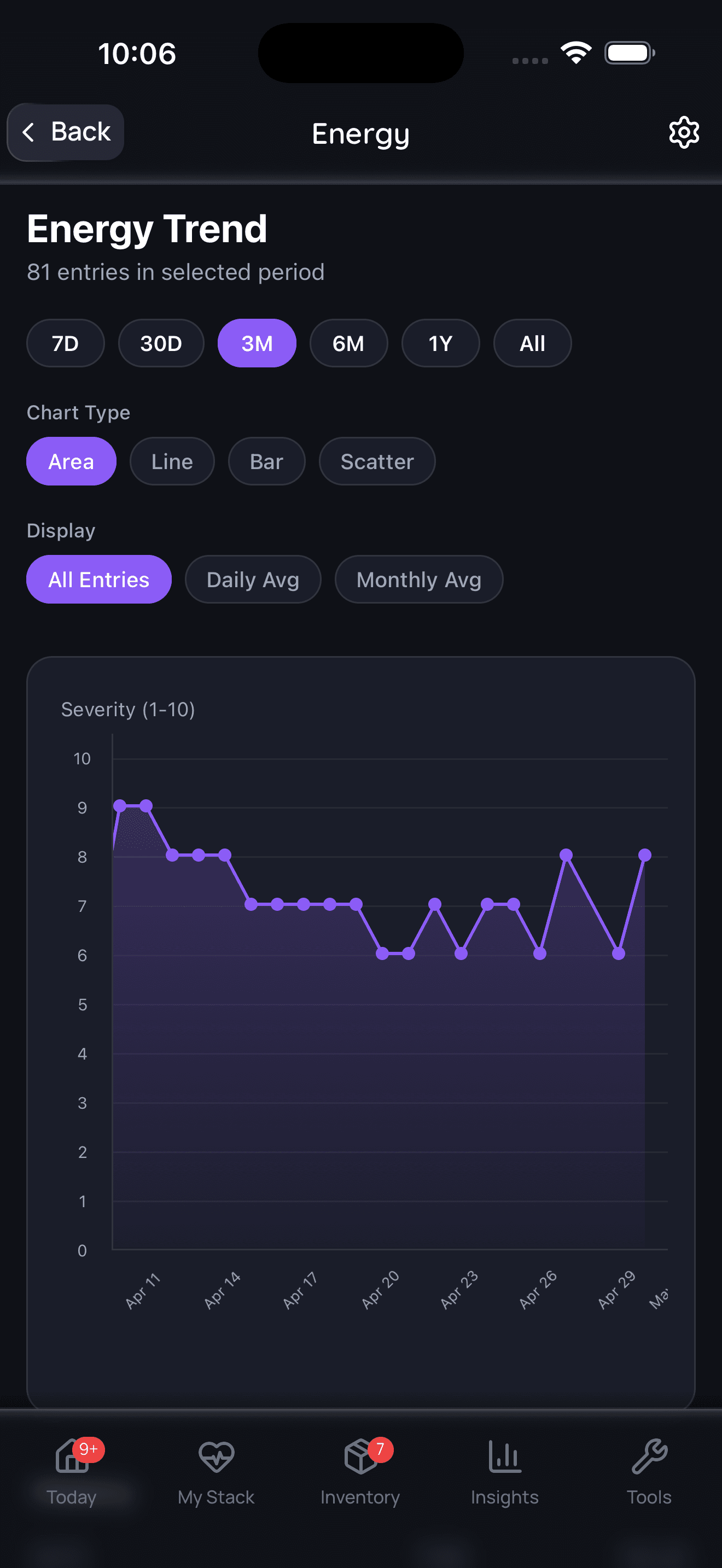
Symptom tracking is informational and should be interpreted with a qualified clinician.
Interactions & Compatibility
SYNERGISTIC
- Vitamin C: Ascorbic acid enhances non-heme iron absorption from chia seeds by reducing ferric iron (Fe3+) to the more absorbable ferrous form (Fe2+), counteracting the inhibitory effect of phytic acid on iron bioavailability.
- Fish Oil (EPA/DHA): Chia's ALA provides a plant-based omega-3 foundation, while fish oil supplies preformed EPA and DHA. Together, they cover the full spectrum of omega-3 fatty acids. Chia does not replace fish oil for EPA/DHA delivery, but complements it with fiber and minerals.
- Flaxseed Oil: Similar omega-3 profile (both ALA-dominant). Combining provides varied polyphenol profiles and may be useful in rotation for variety, though the omega-3 effect is additive rather than synergistic.
- Psyllium Husk: Both are fiber supplements, but with different properties. Psyllium is primarily soluble fiber; chia is primarily insoluble. Combining both types of fiber may provide more comprehensive digestive support.
- Probiotics / Prebiotic Fibers: The fermentable fiber in chia may serve as a prebiotic substrate for beneficial gut bacteria, potentially enhancing the effects of probiotic supplementation.
- Calcium: Chia itself provides significant calcium (631 mg/100g). Supplemental calcium may also help bind oxalates from chia, reducing kidney stone risk in susceptible individuals.
CAUTION / AVOID
- Anticoagulant/Antiplatelet medications (warfarin, aspirin, heparin, clopidogrel, apixaban, rivaroxaban): Chia's omega-3 (ALA) content may potentiate anticoagulant effects and increase bleeding risk. Discuss with healthcare provider before combining.
- Antihypertensive medications: Chia may lower blood pressure additively with antihypertensive drugs, potentially causing hypotension. Blood pressure monitoring is advisable.
- Diabetes medications (insulin, metformin, sulfonylureas): Chia may lower postprandial blood glucose. In combination with glucose-lowering medications, this could theoretically increase hypoglycemia risk, though this has not been documented in clinical trials at standard doses.
- Iron and Zinc supplements (timing): Phytic acid in chia may reduce absorption of supplemental iron and zinc if taken simultaneously. Separating intake by 2 hours is a practical precaution.
- Magnesium supplements (timing): Same phytic acid consideration as iron and zinc. While chia itself provides magnesium, its phytic acid may interfere with magnesium from other sources if taken together.
How to Take / Administration Guide
Recommended forms: Whole seeds and ground seeds are both effective. Whole chia seeds do not require grinding (unlike flaxseed) but may be ground for smoother texture in recipes. Chia oil capsules provide omega-3 ALA but lack fiber, protein, and mineral content.
Soaking is strongly recommended. Mix chia seeds into liquid (water, milk, juice, or smoothies) and allow at least 10-15 minutes for the gel to form. Many practitioners suggest overnight soaking for maximum gel formation and digestibility. The standard ratio is approximately 1 part chia to 6-10 parts liquid.
Timing relative to meals: Chia is most commonly consumed as part of a meal or mixed into food. For postprandial glucose attenuation, consuming chia within or immediately before a carbohydrate-containing meal appears to be the most studied approach. There is no strong evidence favoring morning versus evening consumption.
Common preparation methods:
- Chia pudding: Mix 2 tablespoons chia seeds with 1/2 cup liquid. Refrigerate 4+ hours or overnight. Add fruit, nuts, or sweetener.
- Smoothie addition: Blend 1-2 tablespoons into smoothies.
- Oatmeal/porridge addition: Stir 1-2 tablespoons into cooked oatmeal.
- Baking: Use ground chia as an egg substitute (1 tablespoon ground chia + 3 tablespoons water = 1 egg) or add to batter.
- Sprinkled on foods: Add to yogurt, salads, or soups. If not pre-soaked, ensure adequate liquid accompanies the meal.
What to avoid: Do not eat large quantities of dry chia seeds without liquid. Do not consume chia seeds if you have a known sesame or related seed allergy without medical guidance.
Cycling guidance: Chia is a food product, not a pharmaceutical. There is no evidence suggesting a need for cycling or periodic breaks. Daily consumption at standard serving sizes appears safe for long-term use based on community reports spanning 10+ years.
Choosing a Quality Product
Third-party certifications: Look for USDA Organic certification for pesticide-free production. Non-GMO Project Verified is available for chia products. Because chia is a whole food, the standard supplement certifications (USP, NSF) are less commonly applied, though some chia oil supplement products may carry these marks.
Black vs. white chia seeds: Nutritionally very similar. White chia (Salba variety) has a slightly more standardized nutritional profile and has been used in many clinical trials. Black chia is more common and equally nutritious. Color does not significantly affect quality or efficacy.
Whole seeds vs. ground vs. oil:
- Whole seeds: Best for versatility and shelf life. Nutrient content accessible without grinding.
- Ground/milled seeds: Slightly better nutrient release, particularly protein and fatty acids. Shorter shelf life due to oxidation of exposed fats. Refrigerate after opening.
- Chia oil capsules: Deliver concentrated ALA omega-3 but lack fiber, protein, and minerals. Appropriate if the goal is specifically omega-3 supplementation, but miss most of chia's nutritional benefits.
Red flags:
- Products with added sugars, artificial flavors, or fillers in ground chia products
- Chia products marketed with weight loss claims (not supported by evidence)
- Extremely low prices that may indicate old or poorly stored product
- No clear origin or sourcing information
- Rancid or "off" smell, which indicates oxidation of the fatty acid component
Storage as a quality indicator: Quality chia seeds should be dry, free-flowing (not clumped), and without visible mold or insect contamination. A fresh, mild nutty smell is normal. Community reports note that moth infestations can occur in improperly stored chia; refrigeration helps prevent this.
Storage & Handling
Whole seeds: Store in a cool, dry place in an airtight container. Properly stored whole chia seeds have a shelf life of approximately 2-4 years. Refrigeration is recommended but not strictly required for whole seeds if stored in a cool environment.
Ground/milled seeds: Refrigerate or freeze after opening. The ground form exposes fatty acids to oxidation, significantly reducing shelf life to approximately 2-4 weeks at room temperature. In the refrigerator, ground chia lasts several months. Freezing extends shelf life to approximately 1 year.
Chia oil: Refrigerate after opening. The high polyunsaturated fat content makes chia oil susceptible to oxidation. Keep away from light and heat. Use within the manufacturer's recommended timeframe (typically 2-3 months after opening).
Chia gel/pudding: Prepared chia gel or pudding should be refrigerated and consumed within 5-7 days.
Pest prevention: Community reports note that chia seeds can attract pantry moths. Storing in sealed glass or plastic containers, preferably in the refrigerator, prevents infestations.
Lifestyle & Supporting Factors
Diet: Chia seeds are a dietary supplement to, not a replacement for, a varied and balanced diet. Their fiber and omega-3 content are most beneficial in the context of an overall healthy eating pattern. Individuals already consuming adequate fiber (25-38g/day) and omega-3 (1.1-1.6g ALA/day) from other sources may see less incremental benefit from adding chia.
Hydration: Adequate water intake is particularly important when consuming chia seeds. The high fiber content and extreme water-absorbing properties of chia mean that insufficient hydration can lead to GI discomfort, constipation, or, in extreme cases, esophageal obstruction. Most practitioners suggest drinking an extra 8-16 oz of water when consuming a serving of chia.
Exercise: There is no direct evidence linking chia supplementation to exercise performance, though the historical use by Aztec runners is frequently cited anecdotally. The fiber and ALA content may support general health in physically active individuals. The mineral content (magnesium, calcium, iron) is relevant for athletes who may have increased mineral needs.
Other dietary sources of the same nutrients: People who already consume flaxseed, hemp seeds, walnuts, or fatty fish may be getting adequate ALA and fiber from those sources. Chia can complement or replace these but is not uniquely necessary.
Monitoring: For individuals using chia alongside blood pressure medications, blood sugar medications, or anticoagulants, periodic monitoring of the relevant parameters is advisable when starting chia supplementation.
Regulatory Status & Standards
United States (FDA): Chia seeds hold Generally Recognized as Safe (GRAS) status as a food ingredient. When sold as a dietary supplement (capsules, concentrated oil), chia is regulated under the Dietary Supplement Health and Education Act (DSHEA). No FDA-approved health claims exist for chia seeds.
European Union (EFSA): Chia seeds were authorized as a novel food in the EU in 2009, initially with restrictions on usage levels and food categories. Extended uses were evaluated and approved in 2019 and 2023 (EFSA NDA Panel). Specific authorized usage levels include: bread products (5% whole or ground), baked products (10% whole), fruit juice beverages (15g/day whole/mashed/ground), yoghurt (1.3g per 100g or 4.3g per 330g portion). Additional labelling is required informing consumers that daily intake should not exceed 15g [6].
Canada (Health Canada): Chia seeds are approved as a food ingredient. No specific Natural Health Product Number (NPN) is required for whole chia seed products sold as food.
Australia (TGA): Chia seeds are regulated as a food rather than a therapeutic good. Available without restriction.
Active clinical trials: A search of ClinicalTrials.gov reveals ongoing trials investigating chia seeds for cardiovascular markers, glycemic control, and body composition, reflecting continued research interest.
Athlete & Sports Regulatory Status:
Chia seeds are a whole food and are not on the WADA Prohibited List or any national anti-doping agency's banned substance list. They contain no known prohibited substances. However, as with any food product, contamination is theoretically possible. Athletes subject to drug testing should source chia from reputable suppliers and may prefer products with third-party testing certifications if available.
Chia seeds do not appear on the NCAA banned substance list. No athlete certification programs (Informed Sport, NSF Certified for Sport) are typically relevant for whole food products, though chia oil supplements may carry such certifications.
Regulatory status and prohibited substance classifications change frequently. Athletes should always verify the current status of any supplement with their sport's governing body, their national anti-doping agency, and a qualified sports medicine professional before use. Third-party certification (Informed Sport, NSF Certified for Sport) reduces but does not eliminate the risk of contamination with prohibited substances.
Frequently Asked Questions
How much chia seeds should I eat per day?
Based on available clinical research, most studies have used 15-25g per day (approximately 1-2 tablespoons). The EFSA recommends no more than 15g per day as a novel food addition. Starting with 1 tablespoon per day and increasing gradually is a common approach. Consulting a healthcare provider is recommended for personalized guidance.
Do chia seeds help with weight loss?
Despite widespread marketing claims, multiple randomized controlled trials and meta-analyses have not found significant weight loss from chia supplementation when compared to control groups. A small reduction in waist circumference has been observed in some studies. Chia may support satiety and appetite management as part of a broader weight management strategy, but should not be relied upon as a standalone weight loss intervention.
Do I need to grind chia seeds like flaxseed?
No. Unlike flaxseed, chia seeds do not require grinding to release their nutrients. The outer shell is relatively permeable to digestive enzymes. However, grinding may slightly improve nutrient availability, particularly for protein and fatty acids. Both whole and ground forms are effective.
Should I soak chia seeds before eating them?
Soaking chia seeds for at least 10-15 minutes in liquid is strongly recommended. Chia seeds can absorb up to 10-27 times their weight in water. Consuming dry chia seeds, particularly in large quantities, poses a choking risk as they can expand in the esophagus. Soaking also improves digestibility and may enhance nutrient availability.
Can chia seeds replace fish oil for omega-3?
Chia seeds are an excellent source of ALA (alpha-linolenic acid), a plant-based omega-3. However, the body converts ALA to EPA at only about 5-10% efficiency, and to DHA at less than 1%. Fish oil provides preformed EPA and DHA. For individuals who cannot or choose not to consume fish oil, chia provides a plant-based omega-3 foundation, but it does not fully replicate the EPA/DHA benefits of marine sources.
Are chia seeds safe to eat every day?
Based on available evidence and extensive community reports of daily consumption spanning over a decade, chia seeds appear safe for daily consumption at standard serving sizes (15-25g). Individuals with sesame allergies, kidney stone history, or those taking anticoagulant, antihypertensive, or diabetes medications should consult a healthcare provider.
Can chia seeds cause digestive problems?
Yes, particularly if consumed in large quantities, without adequate water, or without pre-soaking. Bloating, gas, and abdominal discomfort are the most commonly reported side effects. These are typically related to the high fiber content and can be mitigated by starting with small amounts and increasing gradually while maintaining adequate hydration.
What is the difference between black and white chia seeds?
Nutritional differences between black and white chia seeds are minimal. White chia (Salba variety) has a slightly more standardized nutritional profile and has been used in many clinical trials. Black chia is more commonly available and equally nutritious. Both varieties are suitable for supplementation.
Can I eat chia seeds during pregnancy or breastfeeding?
Chia seeds are generally considered safe during pregnancy and breastfeeding as a food source. They provide beneficial fiber, omega-3 fatty acids, and minerals including calcium and iron. However, as with any dietary change during pregnancy, consulting with a healthcare provider is recommended.
Do chia seeds interact with medications?
Chia seeds may interact with blood thinners (due to omega-3 content), blood pressure medications (additive hypotensive effect), and diabetes medications (additive blood sugar lowering). The omega-3 fatty acids may theoretically potentiate anticoagulant effects. Anyone taking these medications should discuss chia consumption with their healthcare provider.
Myth vs. Fact
Myth: Chia seeds are a proven weight loss food that will help you shed pounds quickly.
Fact: Multiple randomized controlled trials, including a 12-week study using 50g/day in overweight adults, have failed to demonstrate significant weight loss from chia supplementation compared to calorie-matched controls. A 2024 meta-analysis of 8 RCTs confirmed no significant effect on body weight or BMI. Chia may support appetite management through fiber-induced satiety, but it is not a weight loss product [2][13].
Myth: Chia seeds are just as good as fish oil for omega-3 benefits.
Fact: Chia is one of the richest plant sources of ALA (alpha-linolenic acid), but ALA converts to the more bioactive EPA at only 5-10% efficiency, and to DHA at less than 1%. Fish oil provides preformed EPA and DHA. For cardiovascular and neurological benefits specifically linked to EPA/DHA, chia is not an equivalent replacement for marine omega-3 sources [10][11].
Myth: You must eat chia seeds immediately or they lose their nutrition.
Fact: Whole chia seeds have a remarkably long shelf life of 2-4 years when properly stored in a cool, dry environment. Their natural antioxidant content helps protect the fatty acid component from oxidation. Ground chia has a shorter shelf life and should be refrigerated, but whole seeds are quite stable [4].
Myth: Eating dry chia seeds is perfectly safe.
Fact: While small quantities of dry chia seeds on food are generally fine, consuming large amounts of dry chia seeds followed by water poses a choking risk. At least one documented case required endoscopic removal of chia gel that formed in a patient's esophagus. Soaking chia seeds before consumption is a widely recommended safety practice [17][18].
Myth: Chia seeds dramatically lower blood sugar and can replace diabetes medication.
Fact: Chia does reduce post-meal blood sugar spikes by 21-48% when consumed with carbohydrate-containing meals. However, longer-term studies show no significant improvement in HbA1c, fasting glucose, or insulin levels. Chia should never be used as a replacement for prescribed diabetes medications [2][7].
Myth: All chia seeds are the same quality.
Fact: While nutritional differences between black and white chia varieties are minimal, quality can vary based on growing conditions, processing, and storage. Geographical origin, organic certification, and proper storage all affect quality. Rancid chia (detectable by off smell) has degraded fatty acid content and should be discarded [4].
Myth: Chia seeds are a complete protein source.
Fact: Chia seeds contain approximately 16-25% protein with a moderate amino acid profile, but protein digestibility is only about 78%. While chia provides all essential amino acids, the overall protein quality is below that of animal sources and some other plant proteins like soy. Chia contributes to protein intake but should not be relied upon as a primary protein source [4].
Sources & References
Systematic Reviews & Meta-Analyses
[7] Saadh MJ, et al. The impact of chia seeds on diabetes, blood pressure, lipid profile, and obesity indicators: Systematic review and meta-regression analysis of 14 randomized controlled trials. Prostaglandins & Other Lipid Mediators. 2024;175:106907.
[13] The Effects of Chia Seed (Salvia hispanica L.) Consumption on Blood Pressure and Body Composition in Adults: A Systematic Review and Meta-Analysis of Randomized Controlled Trials. Clinical Therapeutics. 2024. PMID: 39672763.
[14] Al-Shawi SG, et al. A Critical Review of the Health Benefits Associated with Chia Seeds (Salvia Hispanica L.). Plant Foods for Human Nutrition. 2025;80:170.
[15] Teoh SL, Lai NM, Vanichkulpitak P, et al. Clinical evidence on dietary supplementation with chia seed (Salvia hispanica L.): a systematic review and meta-analysis. Nutrition Reviews. 2018;76(4):219-242.
Clinical Trials & Original Research
[2] Nieman DC, Cayea EJ, Austin MD, et al. Chia seed does not promote weight loss or alter disease risk factors in overweight adults. Nutrition Research. 2009;29:414-418.
[9] Vuksan V, et al. Supplementation of conventional therapy with the novel grain Salba (Salvia hispanica L.) improves major and emerging cardiovascular risk factors in type 2 diabetes. Diabetes Care. 2007;30(11):2804-2810.
Review Articles
[1] Marcinek K, Krejpcio Z. Chia seeds (Salvia hispanica): health promoting properties and therapeutic applications—a review. Roczniki Panstwowego Zakladu Higieny. 2017;68(2):123-129.
[4] Kulczynski B, Kobus-Cisowska J, Taczanowski M, Kmiecik D, Gramza-Michalowska A. The Chemical Composition and Nutritional Value of Chia Seeds—Current State of Knowledge. Nutrients. 2019;11(6):1242. PMID: 31159190.
[5] Valdivia-Lopez MA, Tecante A. Chia (Salvia hispanica): a review of native Mexican seed and its nutritional and functional properties. Advances in Food and Nutrition Research. 2015;75:53-75.
[8] Knez Hrncic M, Ivanovski M, Cor D, Knez Z. Chia Seeds (Salvia hispanica L.): An Overview—Phytochemical Profile, Isolation Methods, and Application. Molecules. 2020;25(1):11.
Government/Institutional Sources
[3] MedlinePlus. Healthy food trends — chia seeds. National Library of Medicine. Updated May 14, 2024.
[6] EFSA NDA Panel. Safety of chia seeds (Salvia hispanica L.) as a novel food for extended uses pursuant to Regulation (EU) 2015/2283. EFSA Journal. 2019;17(4):e05657.
[16] U.S. Department of Agriculture. FoodData Central: Seeds, chia seeds, dried. FDC ID: 170554.
Other Sources
[10] Burdge GC, Calder PC. Conversion of alpha-linolenic acid to longer-chain polyunsaturated fatty acids in human adults. Reproduction, Nutrition, Development. 2005;45(5):581-597.
[11] Vannice G, Rasmussen H. Position of the Academy of Nutrition and Dietetics: dietary fatty acids for healthy adults. Journal of the Academy of Nutrition and Dietetics. 2014;114(1):136-153. PMID: 24342605.
[12] Ullah R, Nadeem M, Khalique A, et al. Nutritional and therapeutic perspectives of Chia (Salvia hispanica L.): a review. Journal of Food Science and Technology. 2016;53:1750-1758.
[17] Parker J, Schellenberger AN, Roe AL, et al. Therapeutic perspectives on chia seed and its oil: a review. Planta Medica. 2018;84(9-10):606-612.
[18] EFSA NDA Panel. Safety of chia seeds (Salvia hispanica L.) as a novel food pursuant to Regulation (EC) No 258/97. EFSA Journal. 2009;7(4):996.
Related Supplement Guides
Same Category (Specialty Fiber/Digestive)
Common Stacks / Pairings
- Fish Oil (EPA/DHA) — Complementary omega-3 profile (ALA + EPA/DHA)
- Flaxseed Oil — Similar plant omega-3 source, often used interchangeably
- Vitamin C — Enhances iron absorption from chia
- Magnesium — Chia provides magnesium; supplemental forms complement
- Calcium — Chia provides calcium; may also bind oxalates
Related Health Goal
- Iron — Chia contributes to iron intake; relevant for plant-based diets
- Zinc — Chia provides zinc; note phytic acid interaction
- Spirulina — Complementary plant-based nutrient-dense food
- Chlorella — Another nutrient-dense whole food supplement