
Serrapeptase: The Complete Supplement Guide
On this page
Quick Reference Card
Attribute
Common Name
- Detail
- Serrapeptase
Attribute
Other Names / Aliases
- Detail
- Serratiopeptidase, Serralysin, Serratia Peptidase, Serrapeptidase, Silk Worm Enzyme, Butterfly Enzyme, SER, Danzen, Serodase, Antiflazym
Attribute
Category
- Detail
- Proteolytic Enzyme (Metalloprotease)
Attribute
Primary Forms & Variants
- Detail
- Enteric-coated capsules/tablets (preferred for oral bioavailability), non-enteric powders/capsules (lower efficacy due to gastric degradation), topical gels (investigational)
Attribute
Typical Dose Range
- Detail
- 10-60 mg/day (equivalent to 20,000-120,000 SPU/day), typically divided into 2-3 doses
Attribute
RDA / AI / UL
- Detail
- No established RDA, AI, or UL. Not an essential nutrient. Health Canada sets maximum daily dose at 60 mg (120,000 SPU) for natural health product use.
Attribute
Common Delivery Forms
- Detail
- Enteric-coated capsule, enteric-coated tablet, delayed-release vegetarian capsule
Attribute
Best Taken With / Without Food
- Detail
- On an empty stomach (30-60 minutes before meals or 2 hours after eating). Food, especially protein-rich meals, may interfere with enzymatic activity.
Attribute
Key Cofactors
- Detail
- None established. Sometimes combined with nattokinase or bromelain in enzyme blends. Zinc is inherent to the enzyme's catalytic site.
Attribute
Storage Notes
- Detail
- Store in a cool, dry place. Protect from heat (enzyme is inactivated above 55C/131F for 15 minutes) and moisture. Follow manufacturer's label for specific storage requirements.
Overview
The Basics
Serrapeptase is a protein-digesting enzyme that originally comes from bacteria living in the gut of silkworms. In nature, this enzyme does something remarkable: it dissolves the silkworm's cocoon, allowing the moth to emerge. That ability to break down tough protein structures is what drew researchers to study it as a potential health supplement.
Since the late 1960s, serrapeptase has been used in Japan and parts of Europe to help reduce swelling after surgery, thin mucus in respiratory conditions, and manage inflammation. It was once available as an approved pharmaceutical product in Japan under the brand name Danzen. In 2011, however, the manufacturer voluntarily withdrew the anti-inflammatory formulation from the Japanese market after postmarketing trials failed to confirm its effectiveness for that purpose [1][2].
Today, serrapeptase is sold worldwide as a dietary supplement. It is most commonly promoted for post-surgical swelling, sinus congestion, scar tissue support, and general inflammation. The clinical evidence is mixed. Some small studies suggest modest benefits for specific short-term situations like reducing swelling after dental surgery or thinning mucus in chronic airway conditions. For broader anti-inflammatory and pain relief claims, the evidence is weaker, and most experts consider serrapeptase a second-line option at best [1][3].
One practical consideration sets serrapeptase apart from many other supplements: because it is a protein-based enzyme, stomach acid destroys it. For this reason, enteric-coated formulations that resist stomach acid and release the enzyme in the small intestine are considered the only acceptable form for oral supplementation [2][4].
The Science
Serrapeptase (serratiopeptidase, EC 3.4.24.40) is a zinc-dependent metalloprotease belonging to the serralysin family, originally isolated from Serratia marcescens strain E-15 (ATCC 13880/27117), a gram-negative bacterium residing in the intestinal flora of the silkworm Bombyx mori [1][5][6].
The enzyme is a single-chain polypeptide of approximately 470 amino acids with a molecular weight of 45,000-60,000 Da (50.6 kDa reported in crystallographic studies). Its active site contains a zinc ion (Zn2+) coordinated by conserved histidine and glutamate residues, which is essential for catalytic activity. The enzyme demonstrates maximal proteolytic activity at 40C and pH 9.0, with complete thermal inactivation occurring at 55C for 15 minutes. Its isoelectric point is 5.3 [5][6][7].
Notably, the amino acid sequence of serrapeptase is devoid of sulfur-containing amino acids (cysteine and methionine), and its substrate specificity is similar to thermolysin from Bacillus thermoproteolyticus [5]. Serrapeptase is classified within the MEROPS serralysin family (M10/M60-like) and is the dominant enzyme produced by Serratia marcescens E-15, although three other less abundant proteases are co-produced [5][6].
Commercial production utilizes bacterial fermentation of Serratia strains followed by purification and enteric coating. The Japanese Pharmacopoeia defines 1 unit of serrapeptase as the amount that produces 5 mcg of tyrosine per minute from 5 mL of substrate solution, with 2,000 to 2,600 units equivalent to 1 mg. Activity is commonly expressed in Serrapeptase Units (SPU), where 10 mg equals approximately 20,000 SPU [2][4].
Chemical & Nutritional Identity
Property
Systematic Name
- Value
- Serratiopeptidase
Property
Enzyme Classification
- Value
- EC 3.4.24.40 (Metalloprotease)
Property
Enzyme Family
- Value
- Serralysin subfamily
Property
Molecular Weight
- Value
- 45,000-60,000 Da (~50.6 kDa)
Property
Amino Acid Length
- Value
- 470 amino acids
Property
Active Site Metal
- Value
- Zinc (Zn2+)
Property
CAS Number
- Value
- Not assigned for the enzyme itself
Property
PubChem CID
- Value
- 171666295 (representative structure)
Property
Category
- Value
- Proteolytic enzyme (dietary supplement ingredient)
Property
pH Optimum
- Value
- ~8-9 (range 6-10)
Property
Temperature Optimum
- Value
- 40C (104F)
Property
Thermal Inactivation
- Value
- 55C (131F) for 15 minutes
Property
Isoelectric Point
- Value
- 5.3
Property
Source Organism
- Value
- Serratia marcescens (strain E-15, ATCC 13880/27117)
Unit Conversion
Weight
5 mg
- Approximate Activity Units
- 10,000 SPU
Weight
10 mg
- Approximate Activity Units
- 20,000 SPU
Weight
30 mg
- Approximate Activity Units
- 60,000 SPU
Weight
60 mg
- Approximate Activity Units
- 120,000 SPU
Note: Unit equivalency varies by manufacturer and preparation method. The Japanese Pharmacopoeia defines 2,000-2,600 units per mg [2][4].
Mechanism of Action
The Basics
Serrapeptase works by breaking down proteins. Not the proteins you eat, but specific proteins involved in inflammation, mucus, blood clots, and the protective shields that bacteria build around themselves.
When your body responds to injury or infection, it produces proteins like bradykinin, histamine, and serotonin that cause swelling, pain, and redness. Serrapeptase can break these proteins apart, which is why it has been studied for reducing post-surgical swelling. Think of it as a cleanup crew that arrives after the initial emergency response and helps clear away the debris so healing can proceed more efficiently.
The enzyme also targets fibrin, a protein your body uses to form blood clots and scar tissue. By breaking down excess fibrin, serrapeptase may help improve circulation and reduce the buildup of fibrous tissue in areas where it is not needed.
Its mucolytic (mucus-thinning) action works similarly. Mucus is held together by protein chains, and serrapeptase can snip those chains, making the mucus less thick and easier for your body to clear. This is why it has been studied for chronic sinusitis and bronchitis [5][6][7].
Perhaps the most interesting property is its ability to disrupt bacterial biofilms. Bacteria often surround themselves with a protein-based shield that protects them from antibiotics. Serrapeptase can break down this shield, potentially making antibiotics more effective at reaching and killing the bacteria underneath [5][8].
The Science
Serrapeptase exerts its biological effects through multiple proteolytic mechanisms [5][6][7]:
Anti-inflammatory pathway: The enzyme hydrolyzes bradykinin, histamine, and serotonin, key mediators of the inflammatory cascade responsible for edema, pain, and vasodilation. It also demonstrates affinity for cyclooxygenase (COX-I and COX-II), reducing the production of prostanoids and thromboxanes (TXs) from arachidonic acid metabolism. This dual mechanism (direct mediator degradation and COX modulation) distinguishes it from conventional NSAIDs, which act solely on the COX pathway [5][6].
Fibrinolytic activity: Serrapeptase cleaves fibrin and fibronectin, extracellular matrix proteins involved in clot formation, wound scaffolding, and scar tissue deposition. The enzyme also degrades other extracellular matrix components, potentially reducing the structural scaffolding that traps interstitial fluid and inflammatory cells at sites of edema [7][9].
Mucolytic mechanism: Proteolytic cleavage of mucin glycoprotein subunits reduces mucus viscosity and adhesiveness, facilitating mucociliary clearance and expectoration. Clinical studies have demonstrated reductions in sputum viscosity, elasticity, neutrophil count, and sputum volume following oral administration [10][11].
Anti-biofilm activity: Serrapeptase degrades proteinaceous components of bacterial extracellular polymeric substances (EPS), the structural matrix of biofilms. At 50 U/mL (2.5 mcg/mL), serrapeptase inhibited biofilm production across multiple Staphylococcus aureus and S. epidermidis strains, as well as Pseudomonas aeruginosa and Listeria monocytogenes. This activity was superior to Clostridiopeptidase A, fibrinolysin, and streptokinase in comparative testing [5][8].
Distribution to inflammation sites: In rat models, serrapeptase demonstrates preferential distribution to sites of inflammation (carrageenan-induced) at concentrations exceeding serum levels. In circulation, it binds plasma protease inhibitor alpha-1-macroglobulin (alpha-1M) in a 1:1 ratio, which reduces enzymatic activity to approximately 20% of its inherent value while potentially serving as a delivery mechanism to inflamed tissues [5].
Absorption & Bioavailability
The Basics
Getting serrapeptase from a capsule into your bloodstream is one of the biggest challenges with this supplement, and it is a major reason why results can be inconsistent.
Serrapeptase is a large protein molecule. Like any protein, stomach acid breaks it apart and destroys its activity. This is why enteric-coated formulations are essential. The enteric coating acts as a protective shell that resists stomach acid and only dissolves once the capsule reaches the more alkaline environment of the small intestine [5][2].
Even with enteric coating, absorption is limited. The enzyme is large (roughly 50,000 Da) and hydrophilic (water-loving), both of which make it difficult for the intestinal wall to absorb. Research suggests that serrapeptase passes between intestinal cells (paracellular transport) rather than through them, which is a slower and less efficient route. Some newer delivery systems, like liposomal formulations, have shown slightly improved absorption in laboratory models [5].
Despite these challenges, studies in animals have confirmed that active serrapeptase does reach the bloodstream after oral dosing, though in very small amounts. Interestingly, concentrations in lymph tissue appear much higher than in blood, and the enzyme seems to concentrate at sites of inflammation [5].
Taking serrapeptase on an empty stomach is consistently recommended because food, especially protein-rich food, competes with the enzyme for absorption and may further reduce the already limited amount that gets through.
The Science
The pharmacokinetics of intact serrapeptase in humans remain poorly characterized, with no standardized bioavailability percentage established in peer-reviewed studies [9].
Gastric stability: As a protein macromolecule, serrapeptase is susceptible to proteolytic degradation in the acidic gastric environment (pH 1-3). Enteric coating provides stability for 2-6 hours in acidic medium (pH 1.2) with linear release at intestinal pH (7.4). The Canadian natural health product monograph recognizes enteric-coated products as the only acceptable oral formulation [2][4].
Intestinal absorption: Despite its large molecular size (~50 kDa), serrapeptase has been detected in rat serum following oral administration, reaching 0.87 +/- 0.41 ng/mL at 100 mg/kg. Lymphatic concentrations were substantially higher at 43 +/- 42 ng/mL with a Tmax of 15-30 minutes, while a minimum dose of 30 mg/kg was required for any detectable plasma concentration (compared to only 1 mg/kg for lymphatic detection) [5].
Permeability: In Caco-2 intestinal permeability models, serrapeptase demonstrates low permeability (-7.72 +/- 0.51 cm/s), slightly improved with liposomal delivery (-7.47 +/- 0.36 cm/s) and DMPE-based systems (-6.5 +/- 0.35 cm/s). Transport is primarily paracellular, as the enzyme is too large for carrier-mediated transcellular transport [5].
Plasma binding: In circulation, serrapeptase binds alpha-1-macroglobulin (alpha-1M) in a 1:1 ratio, reducing enzymatic activity to approximately 20% of inherent value while potentially protecting the enzyme from further degradation and facilitating delivery to inflamed tissues [5].
Managing absorption timing across multiple supplements gets complicated fast. Some need to be taken with food, others on an empty stomach. Some compete for the same absorption pathways, others enhance each other. Doserly organizes all of this into a single schedule that accounts for the interactions between everything in your stack.
Instead of juggling mental notes about which supplements to separate and which to pair, the app handles the coordination for you. It flags timing conflicts, suggests optimal windows based on the forms you're using, and builds a daily routine that gives each supplement its best chance of being absorbed effectively. One place for all the details that are easy to forget.
Build reminders around the routine, not just the compound.
Doserly can keep timing, skipped doses, and schedule changes organized so the plan you read about becomes easier to follow and review.
Today view
Upcoming reminders

Reminder tracking supports consistency; it does not select a protocol for you.
Research & Clinical Evidence
The Basics
The research on serrapeptase is a mixed bag. There are areas where the evidence looks promising, and others where studies have come up empty.
Where serrapeptase shows the most promise:
Post-surgical swelling is the best-studied application. Several trials in dental surgery patients found that serrapeptase reduced cheek swelling and improved jaw stiffness (trismus) after wisdom tooth removal, though it was generally less effective than corticosteroids for swelling and less effective than NSAIDs for pain [1][2][3].
For mucus-related conditions, some studies found that serrapeptase reduced mucus thickness, volume, and related symptoms in chronic sinusitis and bronchitis. A randomized trial in 193 patients with ENT disorders found significant improvements in pain, secretion quantity, nasal obstruction, and other symptoms [2][10][11].
Where the evidence is weaker:
Two large postmarketing trials in Japan (553 patients total) found no benefit for sprained ankle swelling, which contributed to the manufacturer's decision to withdraw the product from the Japanese market [2].
For general pain relief, results are inconsistent. Some studies found modest pain reduction when serrapeptase was added to standard painkillers, while others found no difference from placebo [1][2][3].
The big caveat:
A systematic review of all available serrapeptase trials concluded that most studies suffered from small sample sizes, poor methodology, unclear statistical methods, and short durations. The overall quality of evidence is low to moderate [1][3].
The Science
Systematic review findings: Bhagat et al. (2013) identified 17 published clinical studies evaluating serrapeptase across multiple indications. Grading by the Scottish Intercollegiate Guidelines Network checklist revealed that most studies had poor methodology, with only 5 randomized controlled trials having low risk of bias [1].
Post-surgical swelling and pain (dental):
A meta-analysis by Sivaramakrishnan & Sridharan (2018) pooled data from 5 studies (N=474) on third molar extraction. Serrapeptase was less effective than corticosteroids for facial swelling reduction but more effective for improving trismus. Quality was graded as low for both outcomes [12].
Key individual trials:
- Tachibana et al. (1984): Double-blind RCT (N=174) in Caldwell-Luc antrostomy. Serrapeptase 30 mg/day significantly reduced buccal swelling by ~2 mm compared to placebo (P<0.01) [13].
- Al-Khateeb & Nusair (2008): Crossover RCT (N=24). Serrapeptase + acetaminophen reduced pain intensity (days 1-3) and cheek swelling (days 2, 3, 7) vs acetaminophen + placebo [14].
- Chopra et al. (2009): RCT (N=150). Serrapeptase 60 mg/day did not differ from placebo for post-extraction pain or swelling; ibuprofen and betamethasone were effective [15].
- Chappi et al. (2015): RCT (N=100). Serrapeptase outperformed methylprednisolone for swelling and trismus but was inferior for pain control [16].
Sprained ankle swelling: Two unpublished Takeda postmarketing trials (N=301 and N=252) found no difference between serrapeptase 30 mg/day and placebo for ankle joint cross-sectional area on CT scan [2].
Mucolytic activity: Nakamura et al. (2003) demonstrated reduced sputum volume, viscosity, elasticity, and neutrophil count after 4 weeks of serrapeptase in 29 patients with chronic airway disease [10]. Mazzone et al. (1990) reported significant improvements across multiple ENT symptom scores (N=193, P<0.001) [11]. However, a Takeda postmarketing trial (N=311) found no difference between serrapeptase and placebo for difficulty expectorating in chronic bronchitis [2].
Breast engorgement: Kee et al. (1989) demonstrated 85.7% incidence of marked/moderate improvement with serrapeptase 30 mg/day vs 60% with placebo (P<0.05) in postpartum breast engorgement (N not specified) [17].
Biofilm disruption and antibiotic potentiation: In vitro, serrapeptase (50-100 U/mL) inhibited biofilm formation across multiple bacterial strains and approximately halved the minimum inhibitory concentration of ofloxacin [8]. In a rat model of prosthetic joint infection, combination of antibiotics with serrapeptase reduced persistent infection from 63.2% (control) to 5.6%, compared to 37.5% with antibiotics alone [8][18].
Alzheimer disease (preclinical): In an Alzheimer rat model, serrapeptase significantly improved brain cholinesterase activity, BDNF, TGF-beta, IGF-1, and Fas apoptotic antigen vs untreated controls [19].
Evidence & Effectiveness Matrix
Category
Inflammation
- Evidence Strength
- 5/10
- Reported Effectiveness
- 6/10
- Summary
- Multiple small RCTs show modest benefit for post-surgical edema; two large postmarketing trials negative for ankle sprain; systematic review grades evidence as low quality
Category
Pain Management
- Evidence Strength
- 4/10
- Reported Effectiveness
- 6/10
- Summary
- Inconsistent results across trials; some studies show modest pain reduction when added to analgesics, others show no benefit vs placebo; community reports stronger than clinical data
Category
Joint Health
- Evidence Strength
- 3/10
- Reported Effectiveness
- 5/10
- Summary
- Limited clinical data; one open-label trial in carpal tunnel syndrome without placebo control; community reports mixed
Category
Gut Health
- Evidence Strength
- 2/10
- Reported Effectiveness
- 4/10
- Summary
- Not a gut health supplement per se; GI effects are primarily side effects of the enzyme rather than therapeutic
Category
Immune Function
- Evidence Strength
- 3/10
- Reported Effectiveness
- 5/10
- Summary
- In vitro biofilm disruption and antibiotic potentiation data; animal model of prosthetic joint infection; no human RCTs for immune outcomes
Category
Hormonal Symptoms
- Evidence Strength
- 2/10
- Reported Effectiveness
- 6/10
- Summary
- Single RCT for breast engorgement (positive); community reports from endometriosis population notably positive but no clinical trials in this indication
Category
Heart Health
- Evidence Strength
- 2/10
- Reported Effectiveness
- 5/10
- Summary
- Fibrinolytic properties provide mechanistic plausibility; no human cardiovascular outcome trials; anecdotal reports only
Category
Focus & Mental Clarity
- Evidence Strength
- 1/10
- Reported Effectiveness
- 5/10
- Summary
- No clinical studies; sparse community reports suggesting cognitive clarity possibly secondary to reduced systemic inflammation
Category
Energy Levels
- Evidence Strength
- 1/10
- Reported Effectiveness
- 5/10
- Summary
- No clinical studies; community reports are sparse and confounded
Category
Nausea & GI Tolerance
- Evidence Strength
- 5/10
- Reported Effectiveness
- 4/10
- Summary
- Well-documented GI side effects in clinical trials; proper timing and enteric coating critical for tolerance
Categories scored: 10
Categories with community data: 10
Categories not scored (insufficient data): Fat Loss, Muscle Growth, Weight Management, Appetite & Satiety, Food Noise, Sleep Quality, Memory & Cognition, Mood & Wellbeing, Anxiety, Stress Tolerance, Motivation & Drive, Emotional Aliveness, Emotional Regulation, Libido, Sexual Function, Recovery & Healing, Physical Performance, Digestive Comfort, Skin Health, Hair Health, Blood Pressure, Heart Rate & Palpitations, Temperature Regulation, Fluid Retention, Body Image, Bone Health, Longevity & Neuroprotection, Cravings & Impulse Control, Social Connection, Side Effect Burden, Treatment Adherence, Withdrawal Symptoms, Daily Functioning
Benefits & Potential Effects
The Basics
Serrapeptase is not a broad-spectrum wellness supplement. Its potential benefits are concentrated in a few specific areas where its protein-dissolving properties may be useful.
The most consistently reported benefit is reducing swelling after surgery, particularly oral and sinus procedures. Some people find it helps with post-operative recovery by reducing the puffiness and fluid buildup that follows tissue trauma. For jaw stiffness after wisdom tooth extraction specifically, the data is relatively consistent [1][2][12].
Mucus thinning is another area where serrapeptase has shown some promise. People dealing with chronic sinusitis, persistent nasal congestion, or thick bronchial secretions may find that it helps make mucus less viscous and easier to clear. The effect appears to build over several days to weeks of consistent use [10][11].
The enzyme's ability to break down bacterial biofilms is an emerging area of interest. When bacteria form colonies protected by a protein shield, antibiotics have difficulty penetrating. Serrapeptase may help strip away this protection, making antibiotic treatment more effective. This application remains largely preclinical, but it represents one of the more scientifically intriguing aspects of the enzyme [5][8].
It is worth noting that the clinical evidence for most benefits is limited in quality and quantity. Serrapeptase is best viewed as a potentially useful adjunctive tool for specific, short-term situations rather than a daily wellness supplement with broad health benefits.
The Science
Postoperative edema reduction: The strongest evidence supports serrapeptase's role in reducing buccal swelling following maxillary sinus antrotomy (P<0.05 vs placebo) and improving trismus after third molar extraction (pooled meta-analysis data) [12][13]. The mechanism is attributed to hydrolysis of inflammatory exudate proteins (bradykinin, histamine, serotonin) and reduction of fibrinous scaffolding that traps interstitial fluid [5][6].
Mucolytic effects: Proteolytic cleavage of mucin glycoprotein subunits reduces mucus dynamic viscosity. Clinical data demonstrate reduced sputum weight, neutrophil count, viscosity, elasticity, and coughing frequency with 30 mg/day for 4 weeks in chronic airway disease [10]. ENT symptom improvements (pain, secretion quantity, purulence, nasal obstruction, anosmia) were significant at P<0.001 in a 193-patient RCT [11].
Anti-biofilm and antibiotic potentiation: Serrapeptase's proteolytic degradation of biofilm EPS increases antibiotic penetration. In vitro MIC reduction of approximately 50% for ofloxacin against biofilm-forming bacteria [8]. In vivo (rat prosthetic joint model), combination therapy reduced persistent S. epidermidis infection from 37.5% (antibiotics alone) to 5.6% [18]. Serrapeptase also increased gingival concentrations of four antibiotic drugs (ciclacillin, ampicillin, cephalexin, minocycline) in rats at 20 mg/kg [5].
Breast engorgement: A single RCT demonstrated significantly greater improvement in breast engorgement composite scores (swelling, induration, breastfeeding impairment) with serrapeptase 30 mg/day vs placebo over 3 days [17].
Side Effects & Safety
The Basics
In short-term clinical trials involving more than 1,400 patients, serrapeptase was generally well tolerated, with side effect rates similar to placebo. However, long-term safety data is essentially nonexistent, and several rare but serious reactions have been reported in case studies [2][3].
The most common side effects are digestive. Nausea, stomach discomfort, diarrhea, and loss of appetite can occur, particularly if the enzyme is not taken with proper timing (on an empty stomach) or if a non-enteric-coated product is used. Community reports consistently emphasize that following the timing instructions is critical for tolerance [2][3].
The most important safety concern is bleeding risk. Serrapeptase has fibrinolytic properties, meaning it can break down blood clots. While this is part of its proposed mechanism for reducing swelling, it also means it could increase bleeding, particularly in people taking blood-thinning medications like warfarin, aspirin, clopidogrel, or direct oral anticoagulants [2][3][9].
Rare but serious adverse events that have been documented in case reports include:
- Eosinophilic pneumonitis (at least 4 cases in Japan), presenting as fever, cough, and breathing difficulty
- Bullous pemphigoid (a blistering skin condition)
- Hemorrhage in a patient with Behcet disease
- Stevens-Johnson syndrome (reported with a combination product containing serrapeptase and diclofenac, though the NSAID may have been the causative agent)
- A case where serrapeptase may have facilitated the spread of an existing abscess due to its tissue-dissolving properties [2][3]
People who are pregnant, breastfeeding, have bleeding disorders, or are scheduled for surgery should avoid serrapeptase. Most practitioners recommend discontinuing use at least 7-14 days before any surgical or dental procedure [2][9].
The Science
Clinical trial safety profile: Across pooled trial data (>1,400 participants), the incidence of adverse effects with serrapeptase was comparable to placebo. Reported effects included hypersensitivity reactions and gastric pain. Study durations of 1-4 weeks provide no information on chronic use safety [1][2].
Documented serious adverse events:
- Eosinophilic pneumonia: At least 4 cases reported in Japan (Hirahara 1989, Yokota 1992, Sasaki 2000, Kai 2009). Mechanism unclear but suggests an immune-mediated hypersensitivity reaction in susceptible individuals [2].
- Subepidermal bullous dermatosis: Single case report (Shimizu et al., 1999) [2].
- Hemorrhage: Single case in a patient with Behcet disease (Celik et al., 2013) [2].
- Stevens-Johnson syndrome: Single case report with a serrapeptase/diclofenac combination product (Moitra et al., 2014). Diclofenac is independently associated with Stevens-Johnson syndrome (Mockenhaupt et al., 2008) [2].
- Abscess spread: Case report suggesting serrapeptase's fibrinolytic activity may have facilitated spread of a periapical abscess (Rajaram et al., 2016) [2].
Bleeding risk: Although no systematic bleeding events have been documented in clinical trials, the enzyme's fibrinolytic activity and ability to modulate thromboxane production create a theoretical and clinically relevant risk. Co-administration with anticoagulants (warfarin, DOACs), antiplatelet agents (aspirin, clopidogrel), thrombolytics, or other fibrinolytic supplements (nattokinase, high-dose fish oil, garlic, ginkgo) warrants caution [2][9].
Perioperative considerations: Conservative recommendations suggest discontinuing serrapeptase 7-14 days prior to elective surgery or invasive dental procedures [9].
Managing side effect risks across a multi-supplement stack can feel overwhelming, especially when interactions between supplements, medications, and foods add layers of complexity. Doserly brings all of that into a single safety view so nothing falls through the cracks.
Rather than researching every possible interaction yourself, the app checks your full stack automatically and flags supplement-drug and supplement-supplement interactions that warrant attention. If you do experience something unexpected, logging it takes seconds, and over time the app helps you spot patterns: whether symptoms correlate with specific doses, timing, or combinations. One place for the safety picture that matters most when your stack grows beyond a few bottles.
Connect protocol changes to labs and health markers.
Doserly can keep lab results, biomarkers, symptoms, and dose history close together so follow-up conversations have better context.
Insights
Labs and trends
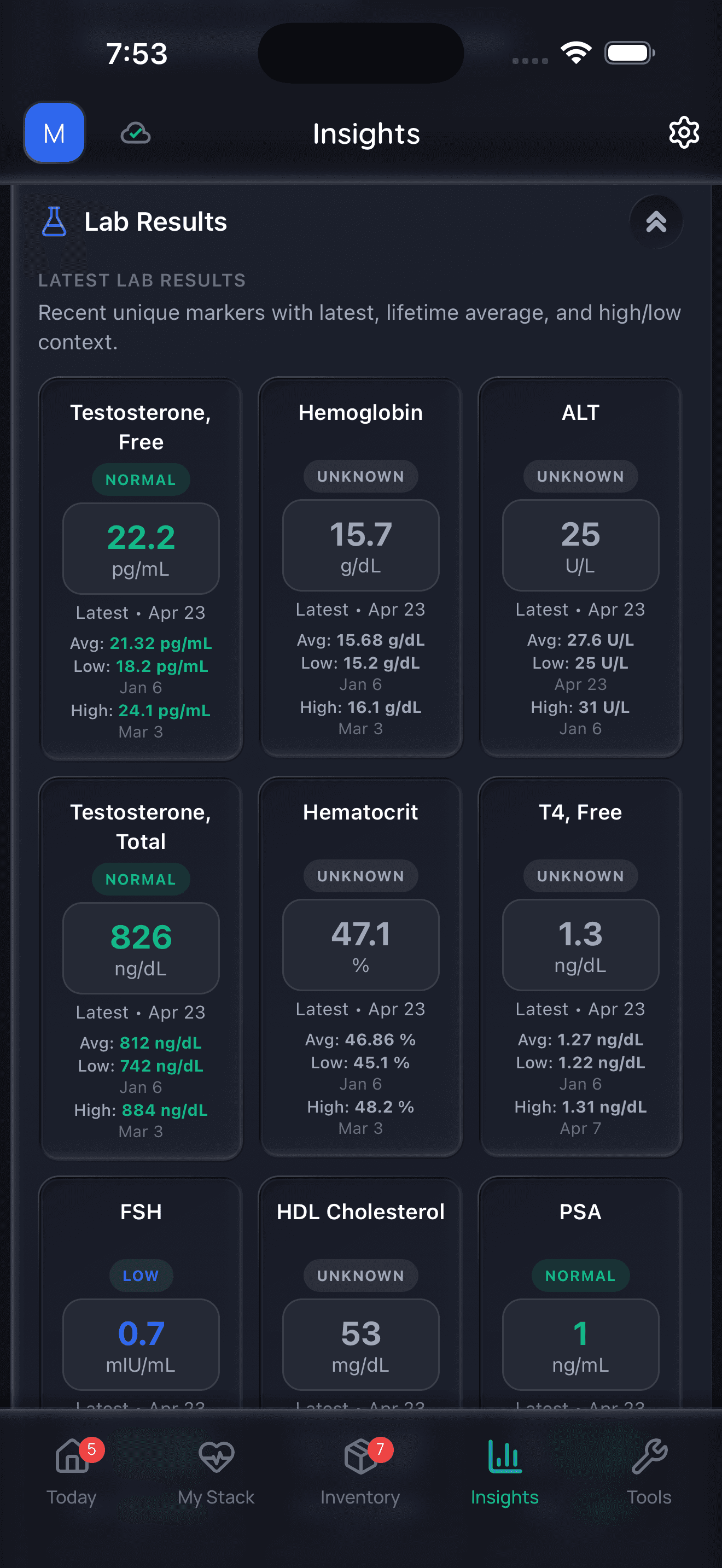
Doserly organizes data; it does not diagnose or interpret labs for you.
Dosing & Usage Protocols
The Basics
Serrapeptase dosing is somewhat unusual because it is measured both by weight (milligrams) and by enzyme activity (units or SPU). Most products list both numbers, but they are not always equivalent across brands because enzyme potency can vary with the preparation method.
The commonly reported supplemental dose range is 10-60 mg per day, which corresponds to approximately 20,000-120,000 SPU per day. Most clinical trials used 10 mg taken three times daily (30 mg total). Some products on the supplement market contain much higher activity units (up to 120,000 SPU per capsule), but these higher doses have not been evaluated in rigorous clinical trials [2][4][9].
The duration of use matters. For post-surgical swelling, courses of 3-7 days are typical. For mucolytic effects in chronic respiratory conditions, 2-4 weeks has been studied. For general anti-inflammatory use, practitioners sometimes suggest 4-12 week trial periods. Long-term safety data is lacking, so extended use should be discussed with a healthcare provider [2][4].
Health Canada's natural health product guidelines provide some useful benchmarks: for products providing more than 60,000 units per day, professional consultation is advised for use longer than 1 week. For products at 60,000 units or less per day, consultation is recommended for use beyond 4 weeks [2].
The Science
Clinical trial dosing protocols:
- Anti-inflammatory (post-surgical): 10 mg three times daily for 3-7 days [2][13][14]
- Mucolytic: 10 mg three times daily for 7-14 days (short-term) or up to 4 weeks (chronic conditions) [2][10][11]
- Breast engorgement: 10 mg three times daily for 3 days [17]
- Third molar extraction: 5-20 mg three times daily for 3-7 days (variable across studies) [14][15][16]
- Antibiotic potentiation: Variable; preclinical data only [8][18]
Pharmacological basis for empty stomach dosing: Taking serrapeptase 30-60 minutes before meals or 2 hours after eating minimizes competition with dietary proteins for intestinal absorption and allows the enteric coating to dissolve optimally in the proximal small intestine (duodenum/jejunum) with predictable transit [2][5][9].
Dose-response data: Animal studies (rat carrageenan paw edema model) demonstrated dose-dependent anti-inflammatory effects, with 10 mg/kg underperforming diclofenac (40% vs 72% edema inhibition) while 20 mg/kg was comparable (68% vs 72%) [5]. Human dose-response relationships have not been systematically characterized.
When your stack includes several supplements, each with its own dose, form, and timing requirements, the logistics alone can derail consistency. Doserly consolidates all of it into one protocol view, so every dose across your entire routine is accounted for without spreadsheets or guesswork.
The app also tracks cumulative intake for nutrients that appear in multiple products. If your multivitamin, standalone supplement, and fortified protein shake all contain the same nutrient, Doserly adds them up and shows you the total alongside recommended and upper limits. Managing a thoughtful supplement protocol shouldn't require a degree in nutrition science. The app handles the complexity so you can focus on staying consistent.
Turn symptom and safety notes into a clearer timeline.
Doserly helps you log doses, symptoms, and safety observations side by side so patterns are easier to discuss with a qualified clinician.
Pattern view
Logs and observations
Pattern visibility is informational and should be reviewed with a clinician.
What to Expect (Timeline)
Weeks 1-2: If taking serrapeptase for post-surgical swelling, some reduction in edema may be noticeable within the first few days. For mucolytic effects, initial changes in mucus consistency may begin during this period. GI side effects (nausea, stomach discomfort) are most likely during the first week, particularly if timing instructions are not followed carefully. Some users report an initial burst of mental clarity or energy, though this is not consistently reported and may reflect reduced systemic inflammation.
Weeks 2-4: Mucolytic benefits, if present, tend to become more apparent during this window. Sinus congestion and bronchial secretion improvements were measured at the 4-week mark in clinical studies. For general anti-inflammatory use, any effects that are going to manifest should become noticeable. If no improvement is observed by 4 weeks, the supplement is unlikely to be beneficial for that particular use case.
Months 1-3: Extended use beyond the initial trial period enters territory without strong clinical evidence. Some community users report continued benefits for chronic conditions, particularly in the endometriosis population where reduced menstrual pain and shorter periods are reported with ongoing use. However, long-term safety has not been evaluated in clinical trials.
Important note: Serrapeptase is generally studied and recommended for short-term, targeted use rather than indefinite daily supplementation. The strongest clinical evidence supports courses of 1-4 weeks for specific indications. Extended use should be a deliberate decision made in consultation with a healthcare provider.
Interactions & Compatibility
SYNERGISTIC
- Antibiotics (various classes): Serrapeptase may enhance antibiotic penetration into infected tissues by degrading bacterial biofilms. In vitro data shows approximately 50% reduction in minimum inhibitory concentration of ofloxacin. Animal data confirms reduced infection rates with combination therapy [5][8][18]. Clinical data is limited to two low-quality studies showing trends toward improved antibiotic tissue penetration.
- Nattokinase: Often combined in enzyme supplement stacks. Both enzymes have fibrinolytic and anti-inflammatory properties. Community pairing is common, particularly in the long COVID recovery community. Note: combining two fibrinolytic enzymes increases theoretical bleeding risk.
- Bromelain: Another proteolytic enzyme (cysteine protease from pineapple) with anti-inflammatory properties. Additive anti-inflammatory effects are plausible but increase bleeding risk when stacked.
- Aspirin: Rat studies found synergistic anti-inflammatory effects when proteolytic enzymes (including serrapeptase) were combined with aspirin [5]. However, this combination significantly increases bleeding risk and should only be considered under medical supervision.
CAUTION / AVOID
- Warfarin (Coumadin): High interaction severity. Additive bleeding risk due to serrapeptase's fibrinolytic activity. Monitor INR closely if co-administration is necessary. Avoid without physician oversight [2][9].
- Direct Oral Anticoagulants (Apixaban, Rivaroxaban, Dabigatran): High interaction severity. Additive bleeding risk. Avoid concurrent use [9].
- Clopidogrel (Plavix): High interaction severity. Additive antiplatelet and bleeding effects [2][9].
- Thrombolytics (Alteplase, Reteplase): High interaction severity. Avoid concurrent use due to additive fibrinolytic effects [9].
- NSAIDs (Ibuprofen, Naproxen): Moderate interaction severity. Monitor for GI bleeding and bruising [9].
- Garlic: Moderate interaction severity. Garlic has antithrombotic properties; combining increases bleeding risk [9].
- Fish Oil (EPA/DHA): Moderate interaction severity at high doses. Omega-3 fatty acids have antiplatelet effects; combination may increase bleeding risk [9].
- Ginkgo Biloba: Moderate interaction severity. Ginkgo has antiplatelet and vasodilatory properties; combination may increase bleeding risk [9].
- Turmeric / Curcumin: Moderate interaction severity. Curcumin has antiplatelet effects at high doses; combination may increase bleeding risk.
How to Take / Administration Guide
Recommended forms: Enteric-coated capsules or tablets are the only recommended oral formulation. The Canadian natural health product monograph explicitly states that enteric-coated products are the only acceptable form. Non-enteric capsules or powders are likely degraded by stomach acid before reaching the intestine, rendering them ineffective [2][4].
Timing considerations: Serrapeptase should be taken on an empty stomach, either 30-60 minutes before a meal or at least 2 hours after eating. This timing serves two purposes: it allows the enteric coating to dissolve in the small intestine without interference from food, and it prevents dietary proteins from competing with the enzyme's absorption [2][5][9].
Stacking guidance: If taking serrapeptase alongside other supplements, separate it from protein-containing supplements and food. It can be timed together with other supplements that are also taken on an empty stomach, provided there are no interaction concerns. If combining with nattokinase (a common community stack), be aware that both enzymes have fibrinolytic properties and the bleeding risk may be additive.
Cycling guidance: Most clinical evidence supports short-term courses (1-4 weeks) for specific indications. For ongoing use, some practitioners suggest periodic breaks, though no formal cycling protocol has been established in clinical research. Health Canada guidelines suggest consulting a healthcare professional if use extends beyond 1-4 weeks (depending on dose) [2].
Pre-surgical protocol: Discontinue serrapeptase at least 7-14 days before any scheduled surgery or invasive dental procedure to minimize potential bleeding risk [9].
Choosing a Quality Product
Third-party certifications: Look for products tested by USP, NSF, ConsumerLab, or equivalent independent laboratories. Certificates of Analysis (CoA) showing proteolytic activity units, microbial contamination testing, and heavy metal screening provide additional quality assurance [9].
Enteric coating is non-negotiable: Products without enteric coating are likely ineffective because stomach acid destroys the enzyme. Look for labels that explicitly state "enteric-coated," "delayed release," or proprietary coating technologies (e.g., "Serrateric" coating). If a product does not mention enteric coating, it is likely not worth purchasing [2][4][9].
Activity units vs. weight: Quality products list both milligrams and activity units (SPU). A product listing only milligrams without activity units may be using lower-potency preparations. Compare products by activity units per serving for accurate potency comparison [4][9].
Red flags:
- Disease treatment claims (e.g., "dissolves arterial plaque," "cures arthritis") violate FDA regulations and suggest a disreputable manufacturer
- Extremely high activity units without supporting quality documentation
- Non-enteric formulations marketed for oral use
- Products that do not disclose the source organism or manufacturing process
- Proprietary blends that hide the actual serrapeptase content
Form considerations: Standard enteric-coated capsules with 10-60 mg (20,000-120,000 SPU) per serving are the most common and well-studied format. Some products use "delayed-release" vegetarian capsules (e.g., hypromellose with gellan gum) as an alternative to traditional enteric coating.
Storage & Handling
Serrapeptase is a protein enzyme that is sensitive to heat, moisture, and extreme pH conditions. Proper storage is important for maintaining activity.
Temperature: Store at room temperature in a cool, dry place. Avoid exposure to temperatures above 55C (131F), which completely inactivates the enzyme within 15 minutes. Do not store in areas that get hot, such as near stoves, in cars, or in direct sunlight [5].
Moisture: Keep the container tightly sealed. Moisture can degrade the enteric coating and the enzyme itself. Avoid storing in bathrooms or other high-humidity areas.
Light: While serrapeptase is not particularly light-sensitive, most manufacturers recommend keeping products in their original opaque containers.
Shelf life: Follow the manufacturer's expiration date. Enzyme activity can decline over time even under proper storage conditions.
Lifestyle & Supporting Factors
Diet: An anti-inflammatory dietary pattern (rich in omega-3 fatty acids, fruits, vegetables, and whole grains; low in processed foods and added sugars) may complement serrapeptase's anti-inflammatory effects. Adequate hydration supports mucus clearance if using serrapeptase for mucolytic purposes.
Exercise: Regular moderate exercise supports the body's natural anti-inflammatory processes. For post-surgical use, follow the surgeon's activity recommendations rather than independently adjusting activity levels.
Monitoring: If using serrapeptase for a specific condition (post-surgical recovery, chronic sinusitis, etc.), tracking symptoms before and during use helps determine whether the supplement is providing meaningful benefit. If no improvement is observed after 2-4 weeks, the supplement may not be effective for that particular situation.
Hydration: Drinking adequate water supports mucus clearance and may improve tolerance of the supplement.
Signs of deficiency: Serrapeptase is not a nutrient, so there is no "deficiency" state. The decision to supplement is based on specific health goals rather than correcting a nutritional gap.
Regulatory Status & Standards
United States (FDA): Serrapeptase is marketed as a dietary supplement under DSHEA. The FDA has not approved serrapeptase for the treatment, prevention, or cure of any disease. Manufacturers may make structure/function claims with appropriate disclaimers but cannot legally claim therapeutic efficacy [9].
Canada (Health Canada): Licensed as a natural health product since 2014. The maximum daily dose is set at 60 mg (120,000 serrapeptase units). Products must be enteric-coated. Professional consultation is recommended for use exceeding 1 week (at >60,000 units/day) or 4 weeks (at ≤60,000 units/day) [2].
Japan: Serrapeptase was introduced to the Japanese pharmaceutical market in 1968 as an approved anti-inflammatory and mucolytic agent. In 2011, the manufacturer (Takeda Pharmaceuticals) voluntarily recalled the anti-inflammatory preparation (Danzen) after postmarketing clinical trials found it ineffective for anti-inflammatory use. This is a notable regulatory event that should factor into any assessment of serrapeptase's efficacy [2].
India: Serrapeptase is marketed both alone and in combination with NSAIDs (diclofenac, aceclofenac) [2].
European Union (EFSA): No specific EFSA health claim authorization for serrapeptase. Available as a food supplement in most EU member states.
Athlete & Sports Regulatory Status:
Serrapeptase is not currently listed on the WADA Prohibited List (categories S0-S9, M1-M3, P1). As a naturally derived enzyme supplement, it does not fall under any prohibited substance class. However, athletes should note:
- No major national anti-doping agencies (USADA, UKAD, Sport Integrity Canada, Sport Integrity Australia) have issued specific guidance on serrapeptase
- The supplement is not specifically addressed in NFL, NBA, MLB, NHL, MLS, or NCAA substance policies
- Athletes concerned about contamination risk should use products certified by Informed Sport, NSF Certified for Sport, or the Cologne List, though serrapeptase-specific certified products may be limited
- Athletes can check the status of any supplement at GlobalDRO.com (US, UK, Canada, Australia, Japan, Switzerland, New Zealand)
Regulatory status and prohibited substance classifications change frequently. Athletes should always verify the current status of any supplement with their sport's governing body, their national anti-doping agency, and a qualified sports medicine professional before use. Third-party certification (Informed Sport, NSF Certified for Sport) reduces but does not eliminate the risk of contamination with prohibited substances.
Frequently Asked Questions
Does serrapeptase actually work?
The answer depends on what you are using it for. For reducing post-surgical swelling (particularly after dental and sinus procedures), there is modest evidence from small clinical trials suggesting some benefit. For thinning mucus in chronic sinus and respiratory conditions, some studies support its effectiveness. For broader anti-inflammatory, pain relief, or cardiovascular claims, the evidence is insufficient to draw firm conclusions. A systematic review concluded that most studies were low quality with small sample sizes [1][3].
What is the difference between SPU, units, and milligrams?
SPU (Serrapeptase Units) measures the enzyme's activity, while milligrams measure its weight. Because enzyme potency can vary by preparation, activity units are generally more meaningful than weight alone. Approximately 10 mg equals 20,000 SPU, though this can vary by manufacturer [2][4].
Can I take serrapeptase with blood thinners?
Based on available data, serrapeptase has fibrinolytic properties that could increase bleeding risk when combined with anticoagulants (warfarin, DOACs), antiplatelet drugs (aspirin, clopidogrel), or other blood-thinning supplements. Most sources recommend avoiding this combination or using it only under direct medical supervision [2][9].
Why was serrapeptase recalled in Japan?
In 2011, Takeda Pharmaceuticals voluntarily withdrew its serrapeptase anti-inflammatory product (Danzen) from the Japanese market after postmarketing clinical trials failed to demonstrate efficacy for anti-inflammatory use, specifically for sprained ankle swelling [2].
How long does serrapeptase take to work?
For post-surgical swelling, some studies show measurable effects within 24-72 hours. For mucolytic effects, improvement typically develops over days to 2 weeks of consistent use. Community reports suggest 1-4 weeks for noticeable anti-inflammatory effects, though individual responses vary considerably.
Can serrapeptase dissolve scar tissue?
Serrapeptase breaks down fibrin, a protein component of scar tissue, in laboratory settings. Some community users report improvement in fibrous tissue conditions. However, there are no controlled human clinical trials demonstrating that oral serrapeptase can meaningfully dissolve established scar tissue in vivo. The claim is biologically plausible but clinically unproven.
Is serrapeptase safe during pregnancy or breastfeeding?
Based on available data, safety during pregnancy and breastfeeding has not been established. Most sources recommend avoiding use in these populations [2][9].
Should I take serrapeptase with food or on an empty stomach?
On an empty stomach. Most sources recommend 30-60 minutes before meals or 2 hours after eating. This allows the enteric coating to function properly and minimizes competition with dietary proteins for absorption [2][5].
Can serrapeptase help with COVID or long COVID?
Some community users report improvements in long COVID symptoms, and there is theoretical rationale based on serrapeptase's fibrinolytic and anti-inflammatory properties. However, clinical evidence is absent, and claims that serrapeptase can treat or prevent COVID-19 are not supported by controlled studies. The FDA has not approved serrapeptase for any COVID-related use.
How does serrapeptase compare to bromelain or nattokinase?
All three are proteolytic enzymes with anti-inflammatory and fibrinolytic properties, but they belong to different enzyme classes. Bromelain (from pineapple) has a broader clinical evidence base for inflammation. Nattokinase is primarily studied for cardiovascular fibrinolytic effects. Serrapeptase has the most evidence for post-surgical swelling and mucolytic effects. Each has a distinct profile, and combining them increases theoretical bleeding risk [9].
Myth vs. Fact
Myth: Serrapeptase is a "miracle enzyme" that can dissolve arterial plaque and prevent heart disease.
Fact: While serrapeptase can break down fibrin in laboratory settings, there are no controlled human clinical trials demonstrating that oral serrapeptase dissolves atherosclerotic plaque or prevents cardiovascular events. Evidence supporting antiatherosclerotic effects is only anecdotal [1][2]. Marketing claims about "artery cleaning" are unsupported.
Myth: Serrapeptase is completely safe with no side effects because it's natural.
Fact: Although generally well tolerated in short-term trials, serrapeptase has been associated with rare but serious adverse events including eosinophilic pneumonitis, bullous pemphigoid, and hemorrhage. It carries meaningful bleeding risk when combined with anticoagulant or antiplatelet medications. Long-term safety data is essentially absent [2][3].
Myth: Higher activity units (e.g., 120,000+ SPU) are always better.
Fact: Most clinical trials used modest doses of 10 mg three times daily (approximately 60,000 SPU/day total). Higher activity unit products have not been studied in rigorous clinical trials, and there is no evidence that exceeding the studied dose range provides additional benefit. Higher doses may increase the risk of GI side effects and bleeding [2][4].
Myth: Any serrapeptase supplement will work as long as it lists the right dose.
Fact: Only enteric-coated formulations have demonstrated any clinical efficacy. Non-enteric capsules and powders are likely destroyed by stomach acid before reaching the intestine. The formulation matters as much as the dose [2][4].
Myth: Serrapeptase can replace anti-inflammatory medications like ibuprofen or steroids.
Fact: Clinical trials comparing serrapeptase to established anti-inflammatory drugs (dexamethasone, ibuprofen, diclofenac) generally find serrapeptase to be less effective. In one study, serrapeptase did not differ from placebo while ibuprofen and betamethasone were effective [15]. It is best viewed as a potential adjunctive tool, not a replacement for proven therapies.
Myth: Serrapeptase is backed by strong scientific evidence.
Fact: A systematic review of all available clinical evidence concluded that most studies were of poor quality with small sample sizes, unclear methods, and short durations. The overall evidence base is low to moderate quality. The Japanese manufacturer's voluntary recall after negative postmarketing trials underscores this limitation [1][2][3].
Myth: Serrapeptase breaks down only "bad" proteins and dead tissue, never healthy tissue.
Fact: Serrapeptase is a protease that cleaves peptide bonds in proteins based on structural accessibility, not based on whether the tissue is healthy or diseased. A case report documented potential spread of an abscess attributed to serrapeptase's tissue-dissolving activity [2]. The enzyme does not distinguish between "good" and "bad" proteins.
Sources & References
Systematic Reviews & Meta-Analyses
[1] Bhagat S, Agarwal M, Roy V. Serratiopeptidase: a systematic review of the existing evidence. Int J Surg. 2013;11(3):209-217. PMID: 23380245.
[3] Sivaramakrishnan G, Sridharan K. Role of serratiopeptidase after surgical removal of impacted molar: A systematic review and meta-analysis. J Maxillofac Oral Surg. 2018;17(2):122-128. PMID: 29618875.
[12] Sivaramakrishnan G, Sridharan K. (Same as [3], referenced for meta-analysis data.)
Clinical Trials & RCTs
[13] Tachibana M, Mizukoshi O, Harada Y, Kawamoto K, Nakai Y. A multi-centre, double-blind study of serrapeptase versus placebo in post-antrotomy buccal swelling. Pharmatherapeutica. 1984;3(8):526-530. PMID: 6366808.
[14] Al-Khateeb TH, Nusair Y. Effect of the proteolytic enzyme serrapeptase on swelling, pain and trismus after surgical extraction of mandibular third molars. Int J Oral Maxillofac Surg. 2008;37(3):264-268. PMID: 18272344.
[15] Chopra D, Rehan HS, Mehra P, Kakkar AK. A randomized, double-blind, placebo-controlled study comparing the efficacy and safety of paracetamol, serratiopeptidase, ibuprofen and betamethasone using the dental impaction pain model. Int J Oral Maxillofac Surg. 2009;38(4):350-355. PMID: 19168326.
[16] Chappi DM, Suresh KV, Patil MR, et al. Comparison of clinical efficacy of methylprednisolone and serratiopeptidase for reduction of postoperative sequelae after lower third molar surgery. J Clin Exp Dent. 2015;7(2):e197-e202. PMID: 26155332.
[17] Kee WH, Tan SL, Lee V, Salmon YM. The treatment of breast engorgement with serrapeptase (Danzen): a randomised double-blind controlled trial. Singapore Med J. 1989;30(1):48-54. PMID: 2688125.
Observational Studies & Case Reports
[10] Nakamura S, Hashimoto Y, Mikami M, et al. Effect of the proteolytic enzyme serrapeptase in patients with chronic airway disease. Respirology. 2003;8(3):316-320. PMID: 12911824.
[11] Mazzone A, Catalani M, Costanzo M, et al. Evaluation of Serratia peptidase in acute or chronic inflammation of otorhinolaryngology pathology: a multicentre, double-blind, randomized trial versus placebo. J Int Med Res. 1990;18(5):379-388. PMID: 2257960.
[19] Fadl NN, Ahmed HH, Booles HF, Sayed AH. Serrapeptase and nattokinase intervention for relieving Alzheimer's disease pathophysiology in rat model. Hum Exp Toxicol. 2013;32(7):721-735. PMID: 23821590.
Government / Institutional Sources
[2] Drugs.com. Serrapeptase Uses, Benefits & Dosage. Updated Jan 22, 2026. https://www.drugs.com/npp/serrapeptase.html (synthesizing Health Canada, Takeda postmarketing data, Japanese Pharmacopoeia).
[4] Health Canada. Drugs and Health Products: Serrapeptase. Updated September 25, 2018. Natural health product monograph.
Reviews & Monographs
[5] Moriya N, Nakata M, Nakamura M, et al. Intestinal absorption of serrapeptase (TSP) in rats. Biotechnol Appl Biochem. 1994;20(pt 1):101-108. PMID: 7917060. (Also: Kv S, Devi GS, Mathew ST. Liposomal formulations of serratiopeptidase: in vitro studies using PAMPA and Caco-2 models. Mol Pharm. 2008;5(1):92-97; Viswanatha Swamy AH, Patil PA. Effect of some clinically used proteolytic enzymes on inflammation in rats. Indian J Pharm Sci. 2008;70(1):114-117. PMID: 20390096.)
[6] Nair SR, Devi C. Serratiopeptidase: An integrated View of Multifaceted Therapeutic Enzyme. Biomolecules. 2022;12(10):1468. PMID: 36291677. PMCID: PMC9599151.
[7] Hosseini SB, et al. An up-to-date review of biomedical applications of serratiopeptidase and its biobetter derivatives as a multi-potential metalloprotease. Biotechnol Bioprocess Eng. 2024. PMID: 38502196.
[8] Selan L, Berlutti F, Passariello C, Comodi-Ballanti MR, Thaller MC. Proteolytic enzymes: a new treatment strategy for prosthetic infections? Antimicrob Agents Chemother. 1993;37(12):2618-2621. PMID: 8109925.
[9] DietarySupplementDB. Serrapeptase: Complete Science-Based Guide 2026. https://www.dietarysupplementdb.com/enzymes/serrapeptase
[18] Mecikoglu M, Saygi B, Yildirim Y, et al. The effect of proteolytic enzyme serratiopeptidase in the treatment of experimental implant-related infection. J Bone Joint Surg Am. 2006;88(6):1208-1214. PMID: 16757752.
Related Supplement Guides
Same Category (Proteolytic Enzymes)
- Bromelain — Cysteine protease from pineapple with anti-inflammatory and mucolytic properties
- Nattokinase — Serine-like fibrinolytic enzyme from fermented soybeans
Common Stacks / Pairings
- Fish Oil (EPA/DHA) — Anti-inflammatory omega-3 fatty acids (use caution with bleeding risk when stacking)
- Turmeric / Curcumin — Anti-inflammatory botanical (use caution with bleeding risk when stacking)
- NAC (N-Acetyl Cysteine) — Mucolytic and antioxidant amino acid derivative
- Vitamin C — Antioxidant with theoretical tissue repair support
Related Health Goal
- Quercetin — Anti-inflammatory flavonoid with anti-allergic properties
- Boswellia — Anti-inflammatory herbal extract targeting 5-lipoxygenase pathway
- Omega-3 Fatty Acids — Foundational anti-inflammatory supplement