
In this guide
What is an electrolyte powder?
This hydration-category guide compares prepared formulas and dilution. The mineral-category electrolyte guide covers the same product family from the intake perspective. The two catalog entries do not describe different ingredients.
Electrolyte powders and tablets are mixtures that deliver charged minerals after dissolution, most often sodium, chloride, potassium and magnesium. They may also contain carbohydrate, sweeteners, acids, vitamins or stimulants. The clinically useful question is not “Does it have electrolytes?” but “Which electrolytes, at what concentration, in how much prepared fluid, for which loss pattern?”
Most healthy people at rest can maintain fluid and electrolyte balance through thirst, meals and water. A targeted drink becomes more relevant with prolonged sweating, repeated exercise in heat, short recovery between sessions or gastrointestinal fluid loss. Medical oral rehydration solution (ORS) is designed for diarrheal dehydration and should not be treated as a generic sports mix.
Typical Electrolyte Powder Protocols
| Source and context | Form and amount each time | Frequency | Total exposure | Duration |
|---|---|---|---|---|
| Ly 2023 crossover · recovery after ~2.6% exercise body-mass loss · 26 trained men | ORS or sports drink; total fluid equaled 100% of body-mass loss | Six aliquots over 60 min: 25% at 0, 10 and 20 min; 12.5% at 30, 40 and 50 min | Individualized litres; ORS 45 mmol sodium/L and 2.5% carbohydrate; sports drink 18 mmol/L and 6% | 3.5-hour observation after ingestion |
| UNICEF reduced-osmolarity ORS · diarrheal dehydration formula | One complete 20.5 g sachet in exactly 1 L purified or boiled-and-cooled water | Give according to clinical/label directions; administration depends on age, weight and dehydration status | Per litre: sodium 75, glucose 75, potassium 20, chloride 65 and citrate 10 mmol | Use prepared solution within 24 hours |
| NATA individualized exercise plan · physically active people | Fluid amount based on measured sweat rate and conditions; no universal scoop or hourly volume | Before, during and after activity as needed to avoid both excessive loss and overdrinking | Monitor body-mass change and intake; sodium replacement follows actual losses and recovery context | Repeat sweat-rate measurement when environment, intensity or equipment changes |
In the Ly trial, participants first exercised for about 90 minutes without fluid, then rested 45 minutes before starting rehydration. The protocol does not justify replacing 100% of body-mass loss after every workout, nor does it establish a daily wellness serving. [3]
The ORS row specifies composition rather than a consumer dosing schedule. Diarrheal dehydration in children, older adults or medically vulnerable people requires clinical guidance, and severe dehydration may need urgent or intravenous treatment. [5]
One category, three different jobs
Start with the loss pattern before comparing products.
Thirst, meals and water usually maintain balance.
Measure sweat loss; avoid both excessive deficit and body-mass gain.
Use a clinical ORS formula and exact dilution; escalate severe illness.
Sodium concentration cannot compensate for drinking more fluid than the body loses.
Should electrolyte powders be cycled?
No cycling pattern has been validated. Use should follow the recurring context and actual exposure. A daily habit can quietly add sodium, potassium, magnesium, sugar or caffeine even on days without meaningful loss.
What happens when they are stopped?
There is no category-specific withdrawal syndrome. If a person has ongoing fluid losses, stopping replacement while the loss continues can allow dehydration or a specific electrolyte deficit to recur. Treat the underlying cause rather than indefinitely masking it with powder.
Which foods provide electrolytes?
Meals supply sodium and chloride through salt, potassium through vegetables, fruit, legumes and dairy foods, and magnesium through legumes, nuts, seeds and whole grains. Food also supports recovery with energy and protein. A powder may be convenient during an event, but it is not evidence that the daily diet lacks every listed mineral. Chronic intake references and acute sweat replacement answer different questions. [6]
Which forms and labels matter?
Low- or no-calorie electrolyte mixes mainly change mineral and water intake. Carbohydrate-electrolyte sports drinks combine fuel and fluid. Medical ORS uses a precise glucose-sodium-potassium-citrate formula for intestinal absorption during illness. Effervescent tablets may add bicarbonate, acids or substantial sodium from their chemistry.
Record prepared concentration. A packet with 500 mg sodium in 500 mL provides 1,000 mg/L; the same packet in 1 L provides 500 mg/L. Count how many bottles were actually consumed. Keep the powder mass separate from elemental or declared mineral amounts.
Osmolality also matters. A 2022 meta-analysis of continuous exercise found the most favorable modeled plasma-volume response with hypotonic carbohydrate-electrolyte drinks, but effects varied with ingestion rate, metabolism, carbohydrate and electrolyte concentration. It does not rank every retail product or prove better performance. [2]
How should prepared drinks be stored?
Follow the label. Keep dry packets sealed from moisture. For the cited UNICEF ORS specification, use the prepared solution within 24 hours. Do not divide a sachet by eye or alter its water volume; that changes every solute concentration. [5]
What are electrolyte powders commonly used for?
Their strongest roles are replacing a measured sweat loss during demanding activity and supporting oral rehydration when an appropriate clinical formula is used. Evidence for routine “cellular hydration,” energy or cognition in already hydrated people is much weaker.
Muscle cramps have multiple causes. Fatigue and neuromuscular factors can contribute, and both underdrinking and overdrinking may coexist with cramps. A cramp is not proof that more salt or water is needed. [4]
What does human research show?
The 2023 randomized double-blind crossover trial dehydrated 26 trained young men by about 2.6% of body mass. At 3.5 hours, mean fluid retention was 76.9% with ORS, 73.9% with sports drink and 58.1% with water. Both formulated drinks exceeded water; ORS and sports drink were not significantly different at the final time point. The study informs short-term recovery after controlled dehydration, not women, children, kidney disease or everyday office hydration. [3]
The 2022 meta-analysis included 28 publications and 68 drink conditions during up to 180 minutes of continuous exercise. Hypotonic carbohydrate-electrolyte drinks produced the best central-hydration estimate. The outcome was change in plasma volume, and study protocols differed; it is not proof that “hypotonic” on a retail label guarantees better clinical outcomes. [2]
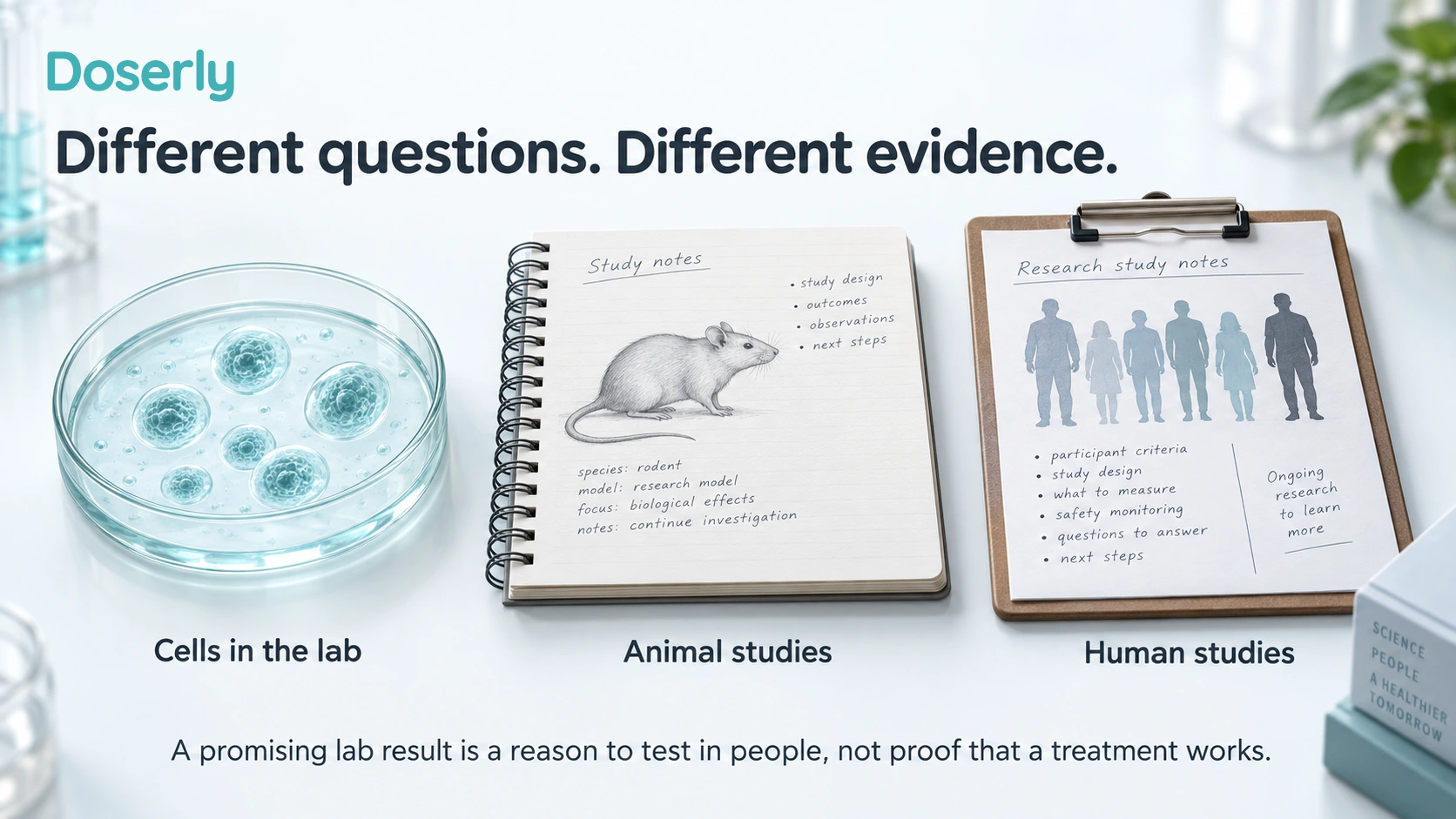
How do electrolyte drinks work?
Sodium and chloride help maintain extracellular fluid; potassium is concentrated inside cells; all three support nerve and muscle electrical gradients. In the intestine, glucose and sodium can be transported together, supporting water absorption. That mechanism explains the precise glucose-sodium pairing in ORS, but it does not mean that adding arbitrary sugar or salt improves every drink.
During recovery, sodium can help retain ingested fluid by supporting osmolality and reducing urinary loss. Very concentrated carbohydrate can slow gastric emptying, and magnesium or sugar alcohols can worsen diarrhea.
What are the risks and interactions?
High sodium intake matters in hypertension, heart failure, edema and prescribed sodium restriction. Potassium can accumulate with impaired kidney function or potassium-retaining medicines. Supplemental magnesium can cause diarrhea and, in kidney failure, dangerous accumulation. [7], [8]
Check for caffeine or other stimulants, which turn a simple electrolyte mix into a different exposure. Children, pregnancy, frail older adults and people with persistent vomiting or diarrhea need a product and plan matched to their clinical situation.
Why can overdrinking cause hyponatremia?
Exercise-associated hyponatremia most often develops when fluid intake exceeds sweat, urine and other losses, diluting blood sodium. Sports drinks are still far less concentrated in sodium than blood and cannot offset persistent fluid excess. New headache, vomiting, confusion, agitation, seizure or collapse during or after prolonged exercise needs emergency assessment, not more fluid. [4]
Which medicines interact?
ACE inhibitors, ARBs, potassium-sparing diuretics and several kidney-active medicines can raise potassium risk. Diuretics can also change sodium and fluid balance. NSAIDs may impair renal water handling during endurance activity. Some antibiotics, bisphosphonates and thyroid medicines need separation from magnesium or other polyvalent minerals; follow the medicine-specific directions.
Legal and regulatory status: In the United States, dietary supplements are not FDA-approved for efficacy before sale. In Canada, licensed natural health products display an NPN or DIN-HM tied to that product and label. Medical ORS specifications are a separate clinical standard. [5], [9], [10]
What should be monitored?
For exercise, record pre/post body mass, fluid consumed, urine produced during the session when practical, duration, conditions and symptoms. Estimated sweat loss equals body-mass loss plus fluid consumed minus urine produced; one session should not be generalized to every climate or intensity. [1]
For daily products, add total sodium, potassium and magnesium across food, powders and medicines. Blood electrolyte testing is for a clinical question and timing matters; symptoms alone cannot distinguish low from high sodium or potassium.
Seek urgent care for altered mental status, seizure, collapse, heat-stroke signs, inability to keep fluid down, very low urine output or suspected severe sodium/potassium abnormality.
What do public communities report?
People discuss taste, convenience, cramps, headaches and perceived energy. Reports often omit prepared volume, total fluid, exercise conditions and medications. This overhaul did not independently recrawl or quantify community posts.
How do electrolyte powders compare?
| Guide | Main question | Key difference |
|---|---|---|
| Sodium/electrolyte formulas | Sodium-focused replacement | Centers sodium amount and loss pattern |
| Potassium | Adequacy and hyperkalemia risk | Single nutrient with kidney/medicine constraints |
| Magnesium | Forms, adequacy and supplement UL | Single nutrient; GI effects often set tolerance |
| Trace mineral drops | Broad mineral concentrates | Unquantified traces and formula identity dominate |
Common questions about electrolyte powders
Does everyone need a daily electrolyte packet?
No. Most healthy people at rest meet needs through meals, thirst and water.
Is more sodium better for hydration?
No. Sodium can aid replacement after meaningful loss, but excess matters for blood pressure, edema and some medical conditions.
Can a sports drink replace medical ORS?
Not automatically. ORS uses a specified glucose-electrolyte concentration for diarrheal dehydration. [5]
Does sodium prevent exercise-associated hyponatremia?
It cannot prevent dilution when a person overdrinks. Fluid volume relative to losses is central. [4]
How do I compare labels?
Convert each product to prepared sodium, potassium, magnesium and carbohydrate per litre, then multiply by the volume actually consumed.
Is sugar always unnecessary?
No. Carbohydrate can provide fuel and supports sodium-water absorption in ORS. The useful concentration depends on context.
Can potassium products be dangerous?
Yes. Kidney disease and potassium-retaining medicines can allow dangerous accumulation. [7]
How long can prepared ORS be kept?
The cited UNICEF product specifies use within 24 hours. Follow the exact product label. [5]
Glossary
Plain explanations of electrolyte-drink terms.
- Electrolyte
- A substance that forms charged ions in solution, such as sodium, potassium or chloride.
- Concentration
- Amount of a solute in a prepared volume, often reported per litre.
- Oral rehydration solution
- A precisely formulated glucose-electrolyte solution used to prevent or treat dehydration from diarrhea.
- Hypotonic drink
- A drink with lower osmolality than the comparison fluid; definitions and product composition still matter.
- Osmolality
- Concentration of dissolved particles per kilogram of solvent.
- Hyponatremia
- Low blood sodium concentration; during exercise it is often caused by excess fluid relative to losses.
- Sweat rate
- Estimated fluid loss per unit time under a particular exercise and environmental condition.
How this guide was researched
This draft uses full open text and live NCBI metadata for the NATA statement, the 2022 drink-tonicity meta-analysis and the 2023 randomized recovery trial; the 2015 hyponatremia consensus; a current UNICEF ORS specification; and current official nutrient/regulatory sources. NCBI CommentsCorrections fields were checked on October 9, 2026 and showed no correction relation for the four PubMed records cited here.
How this guide was made
Research and drafting were AI-assisted. This draft awaits Doserly editorial and independent clinical review. Read the editorial policy.
Explore the sources
Exercise trials, consensus guidance and medical ORS specifications define different hydration contexts.
Showing 10 sources
- 01
National Athletic Trainers' Association Position Statement: Fluid Replacement for the Physically Active. ↗
Evidence-based position statement
NCBI metadata and open full text checked for sweat-rate assessment, body-mass change, overdrinking and recovery guidance.
Detail: Individualize fluid replacement; avoid both excessive deficit and intake beyond losses.
- 02
The Hydrating Effects of Hypertonic, Isotonic and Hypotonic Sports Drinks and Waters on Central Hydration During Continuous Exercise: A Systematic Meta-Analysis and Perspective. ↗
Systematic meta-analysis
NCBI metadata and full text checked for eligibility, drink definitions, outcomes and modifiers.
Detail: 28 publications, 68 drink conditions and plasma-volume outcomes during continuous exercise.
- 03
Post-Exercise Rehydration in Athletes: Effects of Sodium and Carbohydrate in Commercial Hydration Beverages. ↗
Randomized double-blind crossover trial
NCBI metadata and open methods/results checked for population, exercise, six-aliquot schedule, composition and fluid retention.
Detail: 26 trained men; ORS and sports drink exceeded water retention at 3.5 hours but did not differ significantly from each other.
- 04
Statement of the Third International Exercise-Associated Hyponatremia Consensus Development Conference, Carlsbad, California, 2015. ↗
International safety consensus
NCBI metadata and consensus text checked for causes, prevention, sodium limitations and emergency symptoms.
Detail: Positive fluid balance is the central preventable driver; sports drinks do not neutralize overdrinking.
- 05
ORS low osmolarity 20.5 g/1 L ↗
Official medical-product specification
Current page reviewed for full sachet composition, exact dilution, electrolyte concentrations, osmolality and use within 24 hours.
Detail: 75 mmol/L sodium and glucose, 20 potassium, 65 chloride, 10 citrate; 245 mOsm/L.
- 06
Dietary Reference Intakes for Sodium and Potassium ↗
Official dietary reference
Official text used to keep chronic intake guidance separate from acute sweat replacement.
Detail: Dietary reference values are not sport-drink protocols.
- 07
Potassium — Health Professional Fact Sheet ↗
Official nutrient monograph
Current page reviewed for intake, kidney risk and potassium-retaining medicines.
Detail: No general UL does not mean supplements are safe with impaired excretion.
- 08
Magnesium — Health Professional Fact Sheet ↗
Official nutrient monograph
Current page reviewed for supplement UL scope, diarrhea, kidney risk and medicine interactions.
Detail: Magnesium content contributes to total supplemental exposure and GI tolerance.
- 09
Questions and Answers on Dietary Supplements ↗
U.S. regulatory overview
Official page reviewed for premarket approval and manufacturer responsibility.
Detail: Supplement sale does not establish FDA-approved efficacy.
- 10
Product Licensing ↗
Canadian licensing overview
Official page reviewed for NPN/DIN-HM product identification.
Detail: Authorization is tied to the licensed formula and label.
No matching sources
Try a different term or show the full list.