For informational and research purposes only.

Medical DisclaimerTerms of Use

Nootropic

Aniracetam: The Complete Supplement Guide

By Doserly Editorial Team
On this page

Quick Reference Card

Attribute

Common Name

Detail
Aniracetam

Attribute

Other Names / Aliases

Detail
Ro 13-5057, 1-(4-methoxybenzoyl)-2-pyrrolidinone, Draganon (Japan), Ampamet (Europe), Memodrin, Sarpul

Attribute

Category

Detail
Nootropic compound (racetam family)

Attribute

Primary Forms & Variants

Detail
Aniracetam powder (highly bitter taste), aniracetam capsules (more common due to bitterness). No distinct "forms" like minerals; single molecular entity.

Attribute

Typical Dose Range

Detail
750 to 1,500 mg per day, commonly divided into two doses of 375-750 mg

Attribute

RDA / AI / UL

Detail
None established. Aniracetam is a synthetic compound, not a dietary nutrient.

Attribute

Common Delivery Forms

Detail
Capsule, powder

Attribute

Best Taken With / Without Food

Detail
Best taken with food containing fat. Aniracetam is fat-soluble; co-ingestion with dietary fat appears to enhance absorption.

Attribute

Key Cofactors

Detail
Alpha-GPC or Choline (to support acetylcholine demands; may reduce headaches), dietary fat source

Attribute

Storage Notes

Detail
Store in a cool, dry place away from light and moisture. Powder is hygroscopic. Keep tightly sealed.

Overview

The Basics

Aniracetam is a synthetic nootropic compound belonging to the racetam family, a group of compounds that share a common pyrrolidone chemical backbone. Developed in the 1970s by the pharmaceutical company Hoffmann-La Roche, it was designed as a more potent, fat-soluble derivative of piracetam, the original racetam.

In Japan and parts of Europe, aniracetam is sold as a prescription medication for cognitive impairment associated with stroke and Alzheimer's disease. In the United States, it occupies a regulatory gray area: it is not approved by the FDA as either a drug or a dietary supplement, but it is also not classified as a controlled substance, so it is available for purchase through online vendors.

Aniracetam is primarily known in the nootropics community for its reported effects on creativity, anxiety reduction, and "holistic thinking," which users often distinguish from the more linear, memory-focused profile of piracetam. These anecdotal claims are partly supported by pharmacological research showing that aniracetam modulates brain receptors involved in learning, mood, and emotional regulation.

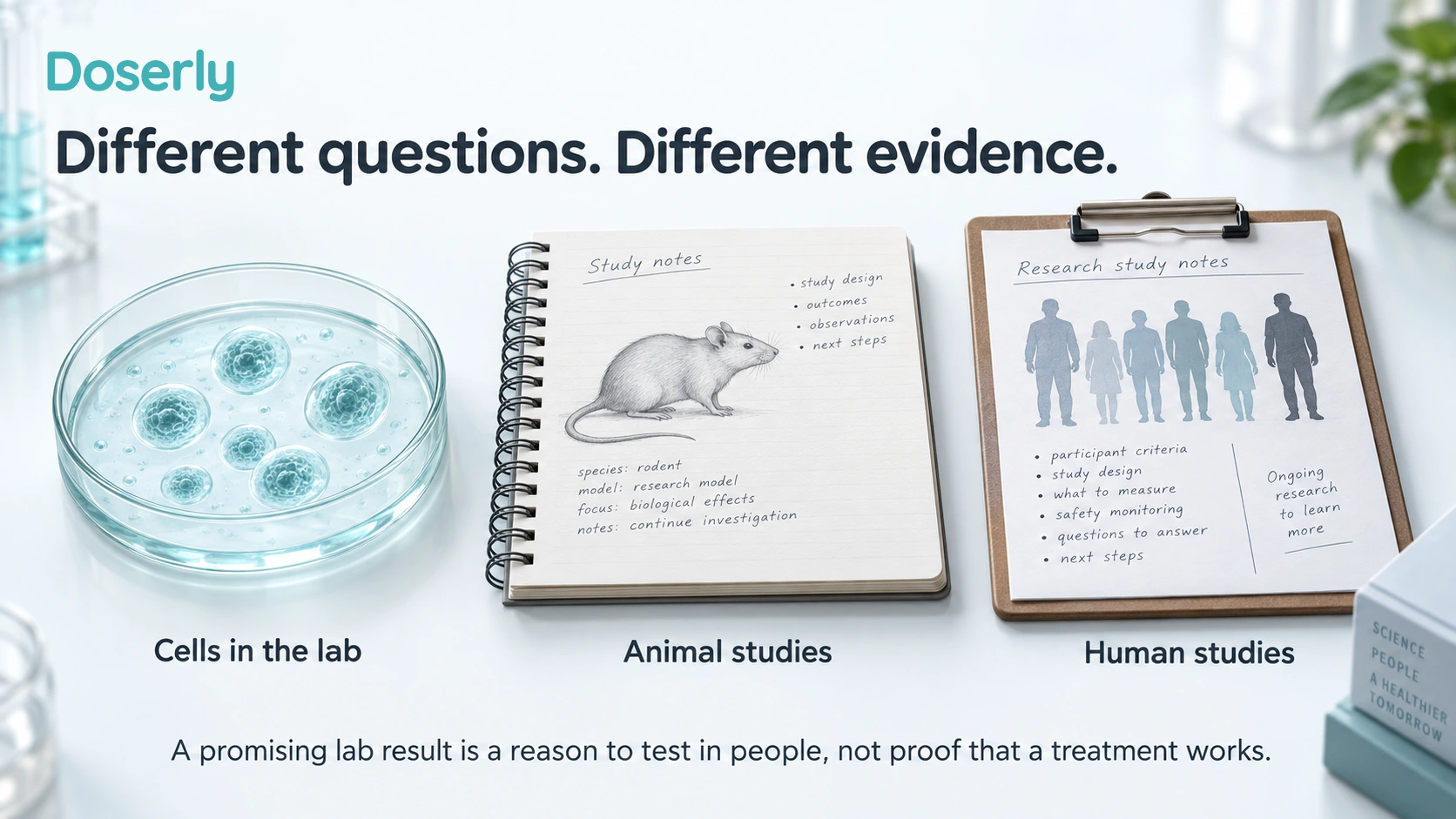
It is worth noting that the clinical evidence for aniracetam comes primarily from studies in elderly patients with cognitive impairment, not from trials in healthy young adults seeking cognitive enhancement. Research in healthy animal models has produced mixed results on whether it can boost already-normal cognition [1][2][3].

The Science

Aniracetam (1-(4-methoxybenzoyl)-2-pyrrolidinone; C12H13NO3; molecular weight 219.24 g/mol) is a pyrrolidinone-type compound classified as an ampakine and positive allosteric modulator of AMPA receptors. It was synthesized by replacing the amine group on piracetam with an anisoyl ring containing a para-methoxy group, a structural change that substantially increases lipophilicity and enables blood-brain barrier penetration [1].

The compound has been the subject of pharmacological research since the early 1980s, with clinical use as a prescription nootropic in Japan (marketed as Draganon) and in several European countries (marketed as Ampamet, Memodrin, or Sarpul) for the treatment of cognitive and behavioral symptoms of dementia. Multiple placebo-controlled clinical trials from the early 1990s demonstrated statistically significant improvements in psychobehavioral parameters in elderly patients with mild to moderate Alzheimer's disease over six-month treatment periods [3][4].

Despite its clinical use abroad, aniracetam has not been submitted for FDA approval in the United States and does not have an approved New Drug Application. It is frequently purchased by self-experimenters through unregulated online channels, a practice that carries quality and purity risks [5].

Chemical & Nutritional Identity

Property

Chemical Name

Value
1-(4-methoxybenzoyl)-2-pyrrolidinone

Property

Molecular Formula

Value
C12H13NO3

Property

Molecular Weight

Value
219.24 g/mol

Property

CAS Number

Value
72432-10-1

Property

PubChem CID

Value
2196

Property

Category

Value
Racetam nootropic, ampakine

Property

Solubility

Value
Fat-soluble; poorly water-soluble

Property

RDA / AI / UL

Value
Not established (synthetic compound)

Aniracetam is a derivative of piracetam in which the amine group is replaced by a methylated phenyl (anisoyl) group. This structural modification was specifically designed to increase fat solubility, allowing for improved blood-brain barrier penetration compared to the water-soluble piracetam. The compound exists as a single molecular entity without the form variants (salts, chelates, esters) seen in mineral or vitamin supplements.

Upon oral ingestion, aniracetam is rapidly and extensively metabolized in the liver. The three primary metabolites are N-anisoyl-GABA (accounting for approximately 70% of the ingested dose), p-anisic acid, and 2-pyrrolidinone. Notably, N-anisoyl-GABA has demonstrated independent pharmacological activity in animal studies, suggesting that aniracetam's effects may be mediated in part by its metabolites rather than the parent compound alone [1][6].

Mechanism of Action

The Basics

Aniracetam works primarily by influencing how your brain cells communicate with each other through a neurotransmitter called glutamate, the brain's main excitatory chemical. Think of glutamate receptors as doors that let signals pass between brain cells. Aniracetam doesn't open these doors itself; instead, it acts like a doorstop that keeps the doors open slightly longer than they normally would. This allows signals to flow more effectively, which may support learning, memory, and overall cognitive function.

More specifically, aniracetam targets a type of glutamate receptor called AMPA receptors. By slowing down the rate at which these receptors "turn off" after being activated, aniracetam may help the brain maintain stronger, more sustained neural connections. This property is why it belongs to a class of compounds called ampakines.

Beyond glutamate, aniracetam also appears to influence several other brain chemical systems. It increases the release of acetylcholine (important for memory), dopamine (involved in motivation and mood), and serotonin (linked to mood and anxiety regulation). This multi-system activity may explain why users report a broader range of effects compared to some other racetams, including reduced anxiety and improved creativity in addition to cognitive enhancement [1][6][7].

The Science

Aniracetam exerts its primary pharmacological effects through positive allosteric modulation of AMPA-type glutamate receptors, binding to a non-active site and reducing the rate of receptor desensitization in the presence of glutamate. This occurs at concentrations of 1-5 mM in vitro and results in prolonged excitatory postsynaptic currents [8]. The compound also positively modulates kainate receptors but does not directly agonize NMDA receptors [1].

Beyond ionotropic glutamate receptor modulation, aniracetam demonstrates significant activity at metabotropic glutamate receptors (mGluRs), particularly through its major metabolite N-anisoyl-GABA. Group II mGluR modulation enhances acetylcholine release in the prefrontal cortex of freely moving animal models [9]. This cholinergic enhancement is considered a key mechanism underlying the compound's pro-cognitive effects.

Additional demonstrated mechanisms include:

  • Enhancement of dopamine and serotonin release in the mesocorticolimbic pathway via both cholinergic and glutamatergic mechanisms, with site-specific activation in the prefrontal cortex and striatum [7][10]
  • Potentiation of nicotinic alpha-4-beta-2 acetylcholine receptor signaling at concentrations as low as 0.1 nM, mediated through Gs protein interactions [1]
  • Upregulation of brain-derived neurotrophic factor (BDNF) expression through AMPA receptor activation, with AMPA + aniracetam increasing BDNF levels 1.5-fold in vitro, remaining elevated for 6 hours [11]
  • Modulation of protein kinase C activity in the cerebral cortex and hippocampus, with chronic treatment altering adenylyl cyclase activity in the striatum [6]
  • Enhancement of cortical GABAergic inhibition independent of NMDA receptor activity [1]

The neuroprotective properties of aniracetam include protection against glutamate excitotoxicity through mGluR-mediated mechanisms [12] and proposed amyloid-beta reduction via alpha-secretase upregulation through BDNF-dependent and mGluR-dependent pathways [11].

Absorption & Bioavailability

The Basics

Aniracetam is absorbed quickly from the gut, usually reaching peak levels in the bloodstream within about 20-30 minutes. However, here is the critical detail: despite rapid absorption, the body processes aniracetam through the liver so aggressively that only about 8-11% of what you swallow actually reaches your bloodstream as the intact compound. This is known as "first-pass metabolism," and it is one of the defining pharmacological characteristics of aniracetam.

Because aniracetam is fat-soluble, taking it with a meal containing fat appears to improve absorption. Many community members report substantially different experiences depending on whether they take it on an empty stomach versus with food. The general guidance from experienced users is to take aniracetam with a source of dietary fat, such as a meal, a glass of whole milk, or a spoonful of coconut oil.

The parent compound has a very short half-life (roughly 35 minutes), which is why many people take it in divided doses throughout the day. However, the picture is more nuanced than the half-life suggests: aniracetam's primary metabolite, N-anisoyl-GABA, has demonstrated its own pharmacological activity in research and accounts for about 70% of the ingested dose. About 96% of a dose is recovered in urine within 28 hours [1].

The Science

Oral aniracetam demonstrates rapid gastrointestinal absorption even in a fasted state, with Tmax values of approximately 0.4 hours (24 minutes). However, extensive first-pass hepatic metabolism limits systemic bioavailability of the parent compound to 8.6-11.4% [1].

Pharmacokinetic parameters from human studies with 400 mg oral administration show:

  • Cmax: 8.75 +/- 7.82 ng/mL
  • Tmax: 0.4 +/- 0.1 hours
  • Elimination half-life: variable reports ranging from 35 minutes (one study) to 47-49 hours (another study, likely reflecting metabolite kinetics)
  • AUC: 4.53 +/- 6.62 ng*h/mL

Hepatic biotransformation yields three primary metabolites: N-anisoyl-GABA (approximately 70% of dose), p-anisic acid (conjugated with glucuronic acid or glycine), and 2-pyrrolidinone (enters the Krebs cycle via succinate). Recovery is 95.8% of the dose in urine within 28 hours. Dose escalation (50-100 mg/kg in animal studies) does not significantly augment Cmax or Tmax but may prolong the AUC to 1.7-2.1 hours, suggesting delayed excretion or saturation of metabolic pathways [1][13].

The fat-soluble nature of aniracetam means that co-ingestion with dietary lipids is expected to enhance bioavailability, though this has not been formally studied in controlled pharmacokinetic trials. This remains a theoretical advantage based on lipophilicity principles [1].

Managing absorption timing across multiple supplements gets complicated fast. Some need to be taken with food, others on an empty stomach. Some compete for the same absorption pathways, others enhance each other. Doserly organizes all of this into a single schedule that accounts for the interactions between everything in your stack.

Instead of juggling mental notes about which supplements to separate and which to pair, the app handles the coordination for you. It flags timing conflicts, suggests optimal windows based on the forms you're using, and builds a daily routine that gives each supplement its best chance of being absorbed effectively. One place for all the details that are easy to forget.

Log first, look for patterns

Turn symptom and safety notes into a clearer timeline.

Doserly helps you log doses, symptoms, and safety observations side by side so patterns are easier to discuss with a qualified clinician.

Dose historySymptom timelineSafety notes

Pattern view

Logs and observations

Dose entry
Time-stamped
Symptom note
Logged
Safety flag
Visible

Pattern visibility is informational and should be reviewed with a clinician.

Research & Clinical Evidence

The Basics

The research on aniracetam paints an interesting but incomplete picture. The strongest evidence comes from clinical trials in elderly patients with cognitive decline, where aniracetam has shown genuine benefits. Two landmark six-month, placebo-controlled trials from the early 1990s found that patients with mild-to-moderate Alzheimer's disease showed significant improvements in cognitive and behavioral measures compared to placebo, while the placebo groups continued to decline [3][4].

In healthy volunteers, the picture is more limited. One study showed that a 1,500 mg dose could counteract cognitive impairments caused by the drug scopolamine (which blocks acetylcholine), suggesting genuine nootropic properties. However, a more recent controlled study in healthy mice found that aniracetam did not enhance cognitive performance in unimpaired subjects across multiple behavioral tasks, despite its well-documented ability to rescue impaired cognition [2][14].

In animal models, aniracetam has shown consistent effects across numerous types of cognitive impairment: age-related decline, drug-induced amnesia, brain lesions, and even cognitive deficits caused by prenatal alcohol exposure. It appears approximately 10 times more potent than piracetam in these models [15][16].

Research into anxiety and depression is largely preclinical. Animal studies demonstrate anxiolytic effects across multiple anxiety models and antidepressant effects in aged rats, though not in younger animals [7][10].

The Science

Clinical trials (human data):

Senin et al. (1991) conducted a double-blind, placebo-controlled multicenter study of 109 elderly patients meeting NINCDS-ADRDA criteria for probable Alzheimer's disease. Over six months, the aniracetam group showed statistically significant improvement versus baseline in psychobehavioral parameters, while the placebo group exhibited steady deterioration. Tolerability was reported as excellent [3].

Parnetti et al. (1991) conducted a parallel multicenter study with 115 subjects over six months, reporting similar positive results for aniracetam in cognitive impairment outcomes [4].

Koliaki et al. (2012) performed an open comparative study examining aniracetam as monotherapy and in combination with cholinesterase inhibitors in patients with cognitive impairment, finding clinical efficacy in both approaches [17].

Wesnes et al. tested aniracetam in a scopolamine-challenge model with 26 healthy volunteers. Aniracetam 1,500 mg orally significantly antagonized scopolamine-induced decrements in both memory and information processing tasks, demonstrating nootropic properties under cholinergic blockade [14].

Preclinical evidence:

Cumin et al. (1982) demonstrated that aniracetam at 10-100 mg/kg oral doses improved impaired cognitive functions across multiple paradigms in rodents (hypercapnia, scopolamine-induced amnesia, electroconvulsive shock, hypoxia), with approximately 10-fold greater potency than piracetam. Dose-response curves were bell-shaped [15].

Bartolini et al. (1996) showed that aniracetam (25-100 mg/kg oral) restored object recognition impaired by aging, scopolamine, and nucleus basalis lesions in rats [16].

Vaglenova et al. (2008) demonstrated reversal of learning and memory deficits following prenatal ethanol exposure through modulation of synaptic AMPA receptor functions [18].

Nakamura and colleagues published extensive work (1998-2001) on aniracetam's effects across rodent models of hypoattention, impulsivity, anxiety, depression, and sleep disturbance, demonstrating broad CNS activity mediated through dopaminergic, serotonergic, and cholinergic interactions [6][7][10].

Love (2024) proposed an evidence-based model for aniracetam reducing amyloid-beta accumulation through alpha-secretase upregulation via BDNF and mGluR pathways, though this model has not been tested directly [11].

Evidence & Effectiveness Matrix

Category

Memory & Cognition

Evidence Strength
6/10
Reported Effectiveness
6/10
Summary
Multiple RCTs in cognitively impaired elderly show improvement. Animal data robust. Healthy-subject enhancement data is limited and mixed. Community reports describe subtle memory improvements with inconsistent response.

Category

Focus & Mental Clarity

Evidence Strength
5/10
Reported Effectiveness
6/10
Summary
Mechanistic support through AMPA modulation and prefrontal cortex activation. Animal data on attention and vigilance. Community frequently reports mental clarity improvement, though effects are often described as subtle.

Category

Anxiety

Evidence Strength
5/10
Reported Effectiveness
7/10
Summary
Preclinical data across three anxiety models. No dedicated human anxiety trials. Community consistently reports anxiolytic effects, particularly for social anxiety and public speaking, though tolerance is noted.

Category

Mood & Wellbeing

Evidence Strength
4/10
Reported Effectiveness
6/10
Summary
Antidepressant effects in aged rats but not young mice. No human mood disorder trials. Community reports generally positive mood effects, though some note emotional flattening.

Category

Longevity & Neuroprotection

Evidence Strength
5/10
Reported Effectiveness
N/A
Summary
Evidence-based model for amyloid-beta reduction via BDNF and mGluR pathways. Protection against excitotoxicity demonstrated in vitro. BDNF upregulation confirmed. No direct human neuroprotection trials. Community data not yet collected.

Category

Sleep Quality

Evidence Strength
3/10
Reported Effectiveness
4/10
Summary
Limited preclinical data showing improved sleep patterns in hypertensive rats. Community reports suggest disrupted sleep architecture at higher doses, with next-day exhaustion attributed to altered REM/deep sleep ratios.

Category

Energy Levels

Evidence Strength
2/10
Reported Effectiveness
4/10
Summary
No direct evidence for energy enhancement. Community reports are mixed, with some reporting alertness and others reporting drowsiness or next-day fatigue.

Category

Emotional Aliveness

Evidence Strength
3/10
Reported Effectiveness
5/10
Summary
Depersonalization relief reported anecdotally. Some users report enhanced emotional engagement while others report flattened affect. Highly variable individual response.

Category

Motivation & Drive

Evidence Strength
3/10
Reported Effectiveness
5/10
Summary
Animal data on reduced impulsivity (AMPA mechanism). Community reports mixed, with some improvement in self-control but others noting laziness or fatigue.

Category

Cravings & Impulse Control

Evidence Strength
3/10
Reported Effectiveness
5/10
Summary
Animal data supports rapid alcohol tolerance and reduced impulsivity. Community reports diverge: one notable report of reduced alcohol consumption, another of increased enjoyment.

Category

Side Effect Burden

Evidence Strength
5/10
Reported Effectiveness
5/10
Summary
Clinical trials report excellent tolerability over 6 months in elderly populations. Community reports headaches without choline supplementation, rebound anxiety, sleep disruption, and tolerance development.

Categories scored: 11
Categories with community data: 10
Categories not scored (insufficient data): Fat Loss, Muscle Growth, Weight Management, Appetite & Satiety, Food Noise, Stress Tolerance, Emotional Regulation, Libido, Sexual Function, Joint Health, Inflammation, Pain Management, Recovery & Healing, Physical Performance, Gut Health, Digestive Comfort, Nausea & GI Tolerance, Skin Health, Hair Health, Heart Health, Blood Pressure, Heart Rate & Palpitations, Hormonal Symptoms, Temperature Regulation, Fluid Retention, Body Image, Immune Function, Bone Health, Social Connection, Treatment Adherence, Withdrawal Symptoms, Daily Functioning

Benefits & Potential Effects

The Basics

The most well-supported benefits of aniracetam center on cognitive function in people who are already experiencing some form of cognitive decline. For elderly individuals with mild-to-moderate cognitive impairment, clinical trials have shown meaningful improvements over periods of months. This is where the evidence is strongest.

For healthy individuals, the benefit profile is less clear. Many users in the nootropics community report benefits in three main areas: reduced anxiety (especially social anxiety), enhanced creativity and "holistic thinking" (the ability to connect disparate ideas), and improved verbal fluency (finding words more easily, speaking more fluidly). These are subjective reports that have not been formally studied in controlled trials with healthy volunteers.

Some users also describe enhanced sensory perception, particularly richer visual experiences with more saturated colors, sometimes described as an "HD vision" effect. While not well-explained by the known pharmacology, this is reported independently by enough users to be worth noting.

It is important to set realistic expectations: aniracetam is generally described as a subtle compound. Many experienced users say you need to "look for" its effects rather than feeling an obvious shift. It appears to work best as a background enhancer of cognitive processes rather than producing the obvious stimulant-like effects of compounds such as phenylpiracetam [1][6][7].

The Science

Evidence-supported potential effects of aniracetam include:

Cognitive rescue in impairment (strong evidence): Multiple placebo-controlled trials in patients meeting NINCDS-ADRDA criteria for probable Alzheimer's disease demonstrate significant improvement in psychobehavioral parameters over 6-month treatment periods, with the placebo groups showing continued decline. The compound has also shown efficacy combined with cholinesterase inhibitors [3][4][17].

AMPA receptor-mediated cognitive enhancement (moderate evidence): Through positive allosteric modulation of AMPA receptors, aniracetam prolongs excitatory postsynaptic potentials. This mechanism has been verified in vitro and in animal models across multiple research groups. In a scopolamine challenge model with healthy volunteers, 1,500 mg aniracetam significantly rescued drug-impaired memory and information processing [8][14].

Anxiolytic effects (moderate preclinical evidence): Nakamura and Kurasawa (2001) demonstrated anxiolytic effects in three separate mouse anxiety models (social interaction test, elevated plus-maze, light/dark paradigm). The mechanism involves combined dopaminergic, serotonergic, and cholinergic pathways [10].

Antidepressant-like activity (limited evidence): Antidepressant effects observed in aged rats at 100 mg/kg but not in younger mice, mediated through enhanced dopaminergic signaling via nicotinic acetylcholine receptors. Effects abolished by haloperidol and mecamylamine [7].

BDNF upregulation (mechanistic evidence): AMPA receptor activation by aniracetam increases BDNF gene expression 1.5-fold in hippocampal cultures, with levels remaining elevated 6 hours post-treatment. BDNF plays established roles in neuroplasticity, neuroprotection, and memory consolidation [11].

When you're taking multiple supplements, it's hard to know which one is doing the heavy lifting. The benefits described above may overlap with effects from other items in your stack, lifestyle changes, or seasonal variation. Doserly helps you untangle that by keeping everything in one place, with timestamps, doses, and outcomes logged together.

Over time, this builds something more valuable than any product review: your personal evidence record. You can see exactly when you started this supplement, what else was in your routine at the time, and how your tracked health markers responded. That clarity makes the difference between guessing and knowing, whether you're talking to a healthcare provider or simply deciding if it's worth reordering.

Symptom trends

Capture changes while they are still fresh.

Log symptoms, energy, sleep, mood, and other observations alongside protocol events so patterns do not live only in memory.

Daily notesTrend markersContext history

Trend view

Symptom timeline

Energy
Tracked
Sleep note
Logged
Pattern
Visible

Symptom tracking is informational and should be interpreted with a qualified clinician.

Side Effects & Safety

The Basics

In clinical trials lasting up to six months, aniracetam has been consistently described as well-tolerated, with most side effects being mild. The most commonly reported adverse effects in clinical settings include restlessness, anxiety, insomnia, headache, mild stomach discomfort, and nausea. These effects were generally not severe enough to cause participants to discontinue the medication [3][4][11].

In the self-experimentation community, several additional patterns have emerged. Headaches are commonly reported by users who do not take a choline source (such as alpha-GPC or choline) alongside aniracetam, likely because racetams increase acetylcholine demand. Many experienced users consider choline supplementation essential when using any racetam.

Other community-reported concerns include:

  • Tolerance development: Many users describe a "honeymoon period" of 1-2 weeks with notable effects that gradually diminish with daily use
  • Rebound anxiety: Some users report increased anxiety when the effects wear off, described as a "biphasic" effect
  • Sleep disruption: Higher doses may alter sleep architecture, with users reporting increased REM sleep at the expense of deep sleep, resulting in next-day exhaustion
  • Emotional flattening: Some users report a "hyper-logical" state where emotional range is narrowed
  • Irritability on cessation: Some users report mood changes when they stop taking aniracetam after regular use

Aniracetam does not appear to increase liver enzymes in clinical studies, and no serious organ toxicity has been reported [11].

The Science

In the Senin et al. (1991) six-month trial of 109 elderly subjects, tolerability was described as "excellent." The Parnetti et al. (1991) trial of 115 subjects similarly reported excellent tolerability over six months [3][4].

Love (2024) compiled adverse event data across clinical trials, identifying the most common adverse events as unrest, anxiety, uneasiness, and insomnia. Less common side effects included urinary urgency, headache, vertigo, mild stomach pain, nausea, diarrhea, and rash. All effects were considered mild and did not necessitate withdrawal from studies [11].

The mechanism underlying racetam-associated headaches is thought to involve increased acetylcholine turnover in the hippocampus and prefrontal cortex. Aniracetam has been shown to increase acetylcholine release in vivo [19], potentially depleting available choline stores. This is supported by the community observation that choline supplementation mitigates headaches.

Sleep architecture changes may relate to AMPA receptor modulation of circadian and sleep regulatory systems. Kimura et al. (2000) demonstrated that aniracetam affected sleep patterns in stroke-prone spontaneously hypertensive rats, though this was framed as an improvement rather than a disruption [6]. The community-reported sleep issues may reflect dose-dependent effects at levels higher than those used in clinical settings.

The compound has no documented hepatotoxic, nephrotoxic, or cardiovascular adverse effects in published clinical data [11].

Dosing & Usage Protocols

The Basics

Most sources that discuss aniracetam dosing converge on a daily range of 1,000 to 1,500 mg, typically divided into two doses of 500 to 750 mg taken with meals. This divided dosing approach reflects the short half-life of the parent compound, which means that a single daily dose is unlikely to provide sustained effects throughout the day.

Some users report effects at lower doses (as low as 400 mg), while others take higher amounts. The research literature in animals used doses ranging from 10 to 100 mg/kg, with bell-shaped dose-response curves, meaning that more is not necessarily better. In clinical trials with Alzheimer's patients, the typical dose was 1,500 mg per day [1][3].

Taking aniracetam with fat-containing food is widely considered important for absorption, as it is a fat-soluble compound. Capsule form is generally preferred over powder due to the intensely bitter taste of aniracetam powder.

Most experienced users also take a choline source (such as alpha-GPC at 300-600 mg or choline) alongside aniracetam to prevent headaches associated with increased acetylcholine demand.

The Science

Human pharmacokinetic data support the divided dosing approach. Following 400 mg oral administration, peak plasma concentrations of the parent compound are reached within approximately 24 minutes (Tmax 0.4 +/- 0.1 hours), with rapid subsequent decline due to extensive hepatic metabolism [1][13].

Clinical trial dosing:

  • Senin et al. (1991) and Parnetti et al. (1991): 1,500 mg/day in AD patients [3][4]
  • Wesnes et al.: 1,500 mg single oral dose in scopolamine-challenge model [14]
  • Koliaki et al. (2012): aniracetam as monotherapy and combination therapy in cognitive impairment [17]

Animal studies utilized 10-100 mg/kg oral doses, with bell-shaped dose-response curves indicating reduced efficacy at both subtherapeutic and supratherapeutic doses. Superloading (50-100 mg/kg) did not significantly augment Cmax or Tmax but prolonged AUC to 1.7-2.1 hours [1][15].

Endo et al. (1997) conducted pharmacokinetic studies in elderly patients with cerebrovascular disease, confirming the rapid absorption and metabolism pattern and informing the clinical dosing recommendations in this population [20].

When your stack includes several supplements, each with its own dose, form, and timing requirements, the logistics alone can derail consistency. Doserly consolidates all of it into one protocol view, so every dose across your entire routine is accounted for without spreadsheets or guesswork.

The app also tracks cumulative intake for nutrients that appear in multiple products. If your multivitamin, standalone supplement, and fortified protein shake all contain the same nutrient, Doserly adds them up and shows you the total alongside recommended and upper limits. Managing a thoughtful supplement protocol shouldn't require a degree in nutrition science. The app handles the complexity so you can focus on staying consistent.

Injection workflow

Track injection timing, draw notes, and site rotation.

Doserly helps keep syringe-related notes, injection site history, reminders, and reconstitution context together for easier review.

Site rotationDraw notesInjection history

Injection log

Site rotation

Site used
Logged
Draw note
Saved
Next reminder
Ready

Injection logs support record-keeping; follow clinician instructions for administration.

What to Expect (Timeline)

Week 1-2: Some users report noticeable effects from the first dose, particularly reduced anxiety and enhanced verbal fluency. Others notice nothing initially and require days to weeks before detecting effects. A "honeymoon period" with pronounced mood enhancement, creativity, and sometimes visual clarity is commonly described during this window. Effects are most noticeable when taken with a fat source.

Week 3-4: The initial honeymoon effects often begin to attenuate. Users who experienced strong initial responses may notice the effects becoming more subtle. This appears to reflect receptor-level adaptation to AMPA modulation. Many experienced users recommend maintaining consistent dosing through this period rather than increasing the dose.

Month 2-3: For those who continue, effects typically stabilize at a lower but consistent baseline level. Long-term users describe a subtle background improvement in cognitive clarity, anxiety management, and creative thinking that is most noticeable in retrospect or when they stop taking it. Some users adopt cycling protocols (e.g., 5 days on/2 days off, or 8 weeks on/2 weeks off) to manage tolerance.

3+ Months: Extended clinical trials in Alzheimer's patients have shown cumulative benefits over six-month periods. Some community users report sustained benefits over years of use with periodic cycling. Others find effects diminish entirely with chronic use. Individual variability in long-term response appears high.

Important context: Aniracetam is widely described as a subtle compound. If you are expecting dramatic cognitive shifts comparable to stimulants or other noticeable substances, the realistic expectation is much more modest. Many users describe the experience as "feeling normal, but better" rather than experiencing a distinct altered state.

Interactions & Compatibility

Synergistic

  • Alpha-GPC: Provides choline to support increased acetylcholine demands from racetam use. Commonly recommended at 300-600 mg to prevent headaches and may enhance cognitive effects [1][11]
  • Choline: Alternative choline source. Choline bitartrate is less bioavailable than alpha-GPC but more widely available and less expensive
  • Piracetam: Some users stack aniracetam with piracetam, reasoning that the water-soluble and fat-soluble racetams may complement each other's absorption profiles and receptor activity
  • Bacopa Monnieri: Bacopa's long-term memory consolidation effects may complement aniracetam's acute cognitive enhancement profile
  • Lion's Mane: Some users stack with lion's mane for complementary neurotrophin support (NGF from lion's mane, BDNF from aniracetam)
  • Fat sources: Dietary fat co-ingestion enhances absorption of this lipophilic compound

Caution / Avoid

  • Other AMPA modulators: Concurrent use of multiple ampakines or AMPA-positive modulators could theoretically increase excitotoxicity risk. There is limited safety data on combining aniracetam with other ampakines such as sunifiram
  • Anticholinergic medications: Aniracetam's cholinergic effects could be counteracted by anticholinergic drugs
  • Alcohol: Reports diverge on the interaction. Some users report reduced alcohol consumption; others report enhanced alcohol effects. Animal data suggests aniracetam may alter alcohol tolerance. Exercise caution [6]
  • CNS depressants: Though not well-documented, the anxiolytic properties of aniracetam suggest potential additive effects with benzodiazepines or other sedatives
  • Haloperidol/mecamylamine: These have been shown to block aniracetam's antidepressant and cholinergic mechanisms in animal studies [7]

How to Take / Administration Guide

Recommended approach based on available data:

  • Form: Capsules are generally preferred over powder due to aniracetam's highly bitter taste. If using powder, mixing into a fat-containing beverage or food is suggested.
  • Timing: Most commonly taken in two divided doses (e.g., 500-750 mg morning and early afternoon) with meals containing fat. Avoid taking late in the day, as insomnia has been reported as a side effect.
  • Fat co-ingestion: Taking aniracetam with a source of dietary fat (meals, whole milk, coconut oil, olive oil) is widely regarded as important for absorption due to the compound's lipophilicity.
  • Choline support: Many experienced users take 300-600 mg of alpha-GPC or another choline source alongside aniracetam to prevent racetam-associated headaches.
  • Cycling: To manage tolerance, many users adopt cycling protocols. Common approaches include 5 days on/2 days off, weekdays only, or 8 weeks on/2 weeks off. The optimal cycling protocol has not been established by research, and some users report sustained effects without cycling.
  • Starting approach: Sources generally suggest beginning at the lower end of the dosing range (500-750 mg/day) before working up to 1,000-1,500 mg/day, to assess individual response and tolerance.
  • Stacking: Frequently combined with a choline source and sometimes other nootropics. When stacking, it is prudent to introduce compounds one at a time to isolate individual effects.

Choosing a Quality Product

Because aniracetam is not regulated as a dietary supplement in the United States and is sold through unregulated channels, quality control is a significant concern. The following guidance may help in evaluating product quality:

  • Third-party testing: Look for vendors that provide a Certificate of Analysis (COA) from an independent laboratory confirming identity, purity, and the absence of heavy metals or contaminants. This is particularly important for aniracetam, as it is often sourced from chemical suppliers rather than supplement manufacturers.
  • Purity verification: Aniracetam should be a white to off-white crystalline powder. Certificates should confirm purity of 99%+ by HPLC.
  • GMP certification: While not always available for research chemicals, GMP-certified facilities provide a higher standard of manufacturing quality.
  • Avoid proprietary blends: Some nootropic blends include aniracetam alongside other compounds without disclosing individual amounts. This makes accurate dosing impossible and should be avoided.
  • Capsule vs. powder: Capsules eliminate the need to measure doses manually and avoid the extremely bitter taste. Verify that capsule weights match stated dosing.
  • Brand transparency: Vendors that provide COAs, list their manufacturing source, and respond to quality inquiries are generally more reliable than those that do not.
  • Red flags: Dramatically lower prices compared to established vendors, missing COAs, vague labeling, and marketing language that includes therapeutic claims should all be viewed with caution.

Note: Standard supplement certifications (USP, NSF, Informed Sport) are generally not available for aniracetam products because it falls outside the standard dietary supplement regulatory framework.

Storage & Handling

Aniracetam powder is hygroscopic, meaning it absorbs moisture from the air. Store in an airtight container in a cool, dry environment away from direct sunlight. Avoid exposure to heat and humidity, which can degrade the compound.

Capsules are more shelf-stable than loose powder but should still be kept sealed. If the powder appears clumped, discolored, or has developed an unusual odor, it may have degraded and should not be used.

No specific shelf-life data has been published for aniracetam supplements. Following general pharmaceutical stability guidelines, a two-year shelf life under proper storage conditions is a reasonable assumption, though this is not formally validated for products sold as research chemicals.

Lifestyle & Supporting Factors

Several lifestyle factors may influence the experience and outcomes of aniracetam use:

  • Diet: Adequate dietary fat intake is important for absorption. A diet very low in fat may reduce bioavailability. Choline-rich foods (eggs, liver, fish) may help support acetylcholine levels alongside supplementation.
  • Sleep: Quality sleep is essential for the memory consolidation processes that aniracetam may support. Given reports of sleep disruption at higher doses, monitoring sleep quality when starting aniracetam is prudent.
  • Exercise: Physical activity independently increases BDNF, the same neurotrophic factor that aniracetam upregulates. Regular exercise may complement aniracetam's mechanisms [11].
  • Cognitive engagement: Nootropic effects are most likely to be noticed during periods of active cognitive demand (studying, creative work, public speaking) rather than during passive activities.
  • Hydration: Adequate hydration supports overall cognitive function and may help with any mild GI side effects.
  • Stress management: Chronic stress depletes neurotransmitter systems that aniracetam acts upon. Stress reduction practices may enhance the compound's effectiveness.
  • Other supplements: A complete B-vitamin status and adequate magnesium may support the neurotransmitter synthesis pathways that aniracetam modulates.

Regulatory Status & Standards

United States (FDA):
Aniracetam is not FDA-approved as a drug for any indication. It is not approved as a dietary supplement ingredient. However, it is not classified as a controlled substance under the Controlled Substances Act. This places it in a regulatory gray area where it can be purchased and possessed without a prescription but cannot be legally marketed as a dietary supplement or drug. It is commonly sold as a "research chemical" or "for research purposes only" [5].

Japan:
Aniracetam is an approved prescription medication marketed as Draganon for the treatment of cognitive and behavioral symptoms associated with cerebrovascular dementia and Alzheimer's disease [6].

European Union:
Aniracetam is a prescription medication in several EU member states, including Italy (marketed as Ampamet) and Greece. Availability and prescription requirements vary by country. It is not available over the counter in most EU jurisdictions [5].

Canada (Health Canada):
Aniracetam is classified as a prescription drug. It is not available without a prescription.

Australia (TGA):
Aniracetam is classified as a Schedule 4 substance (prescription-only medicine) [5].

United Kingdom:
Following the Psychoactive Substances Act, aniracetam requires a prescription.

WADA / Athlete Regulatory Status:
Aniracetam is not currently listed on the WADA Prohibited List. However, the racetam class has received attention from anti-doping authorities due to potential cognitive performance enhancement properties. Phenylpiracetam (a related compound) IS on the WADA Prohibited List as a stimulant. Athletes should verify the current status of any racetam compound with their sport's governing body and national anti-doping agency before use.

Standard athlete certification programs (Informed Sport, NSF Certified for Sport, Cologne List) generally do not cover aniracetam products because it falls outside the dietary supplement framework. Athletes who use aniracetam should be aware that third-party-tested products may not be available.

Regulatory status and prohibited substance classifications change frequently. Athletes should always verify the current status of any supplement with their sport's governing body, their national anti-doping agency, and a qualified sports medicine professional before use. Third-party certification (Informed Sport, NSF Certified for Sport) reduces but does not eliminate the risk of contamination with prohibited substances.

Frequently Asked Questions

What is aniracetam, and how does it differ from piracetam?
Aniracetam is a synthetic nootropic in the racetam family, created by modifying piracetam's structure to make it fat-soluble. While both compounds modulate AMPA glutamate receptors, aniracetam is considered approximately 10 times more potent in animal studies and is anecdotally associated with anxiety reduction and creative thinking, whereas piracetam is more commonly associated with verbal memory and focus. Aniracetam has a much shorter half-life and requires fat co-ingestion for optimal absorption [1][15].

Is aniracetam legal?
Legality varies by country. In the United States, aniracetam is not a controlled substance and can be legally purchased and possessed, but it is not FDA-approved as a drug or dietary supplement. In Japan, Italy, and several other countries, it is a prescription medication. In Australia, it is prescription-only (Schedule 4). Readers should verify the legal status in their specific jurisdiction before purchasing [5].

How should aniracetam be taken for best results?
Based on available sources, most users and researchers suggest taking 1,000-1,500 mg per day in two divided doses (500-750 mg each) with fat-containing meals. Co-supplementation with a choline source such as alpha-GPC is commonly recommended to prevent headaches. Starting at a lower dose to assess individual tolerance is prudent [1][11].

Does aniracetam really work for healthy people?
The evidence is mixed. Clinical trials show benefits in cognitively impaired populations, and one study showed it could rescue drug-induced cognitive impairment in healthy volunteers. However, a controlled animal study found no cognitive enhancement in unimpaired subjects. Community reports range from "life-changing" to "did nothing." Individual response appears to vary substantially [2][14].

What are the main side effects?
Clinical trials report excellent tolerability. The most commonly reported side effects are restlessness, anxiety, insomnia, headache, mild GI discomfort, and nausea. Community users additionally report tolerance development, rebound anxiety, sleep disruption at higher doses, and emotional flattening. These effects are generally described as mild [3][4][11].

Why do some people feel nothing from aniracetam?
Several factors may contribute: inadequate dosing (below 750 mg/day), failure to take with a fat source (reducing absorption), individual variation in metabolism and receptor density, and already-optimal cognitive function that leaves little room for enhancement. The compound's effects are widely described as subtle and may require active awareness to detect [1][2].

Can aniracetam be taken long-term?
Clinical trials have demonstrated safety over six-month periods in elderly populations. However, many community users report tolerance development with chronic daily use. Cycling protocols (5 days on/2 days off, or periodic breaks) are commonly used to manage this, though no research has formally validated a cycling approach [3][4].

Does aniracetam help with anxiety?
Preclinical research demonstrates anxiolytic effects across multiple animal models. Community reports frequently cite anxiety reduction, particularly social anxiety, as one of aniracetam's most noticeable effects. However, some users report rebound anxiety when effects wear off, and tolerance to the anxiolytic effect has been reported. No human clinical trials have specifically evaluated aniracetam for anxiety disorders [10].

What should aniracetam be stacked with?
The most common stack addition is a choline source (alpha-GPC or choline bitartrate) to support acetylcholine demands. Other commonly stacked compounds include piracetam, bacopa monnieri, lion's mane, and fish oil. As always, consulting a healthcare provider before combining supplements is advisable.

Is the "HD vision" effect real?
Multiple independent users have reported enhanced color saturation and visual clarity while taking aniracetam. While not formally studied, this may relate to aniracetam's effects on sensory processing circuits via AMPA receptor modulation. The effect is not reported by all users and should not be considered a guaranteed outcome.

Myth vs. Fact

Myth: Aniracetam is a powerful "smart drug" that will dramatically boost intelligence.
Fact: Research shows aniracetam can rescue impaired cognition in models of cognitive decline, but evidence for enhancing already-normal cognition in healthy subjects is limited and inconsistent. A controlled study in healthy mice found no enhancement across multiple cognitive tasks. Community users describe effects as subtle rather than dramatic [2][15].

Myth: All racetams are essentially the same.
Fact: While racetams share a common pyrrolidone backbone, their pharmacological profiles differ substantially. Aniracetam is fat-soluble (piracetam is water-soluble), has AMPA and mGluR activity (piracetam primarily AMPA), and demonstrates anxiolytic properties not seen with piracetam. Phenylpiracetam has stimulant properties and is banned by WADA, while aniracetam is not [1][6].

Myth: You don't need to take aniracetam with food.
Fact: Aniracetam is a fat-soluble compound with limited bioavailability (8-11%). Community reports consistently show that taking it with a fat source produces substantially different results than taking it on an empty stomach. While it can be absorbed without fat, co-ingestion with dietary fat is widely considered important for optimal effects [1].

Myth: Higher doses of aniracetam produce stronger effects.
Fact: Animal studies demonstrate bell-shaped dose-response curves, meaning that extremely high doses may actually be less effective than moderate doses. Pharmacokinetic data shows that increasing the dose beyond a certain point does not significantly increase peak blood levels but may prolong duration. Community users who take very high doses (3+ grams) frequently report more side effects without proportionally greater benefits [1][15].

Myth: Aniracetam has no side effects.
Fact: While clinical trials report excellent tolerability, side effects do occur. These include restlessness, insomnia, headache (especially without choline supplementation), GI discomfort, rebound anxiety, and tolerance development with chronic use. Most effects are mild, but they should not be dismissed [3][4][11].

Myth: Aniracetam is a supplement like vitamins or minerals.
Fact: Aniracetam is a synthetic pharmaceutical compound, not a natural nutrient or herbal extract. It is a prescription medication in many countries. In the US, it occupies a regulatory gray area and is typically sold as a research chemical, not as a dietary supplement. Quality control for products sold through unregulated channels may be inconsistent [5].

Sources & References

Clinical Trials & RCTs

[3] Senin U, Abate G, Fieschi C, et al. Aniracetam (Ro 13-5057) in the treatment of senile dementia of Alzheimer type (SDAT): results of a placebo controlled multicentre clinical study. Eur Neuropsychopharmacol. 1991;1(4):511-517. https://pubmed.ncbi.nlm.nih.gov/1822317/

[4] Parnetti L, Bartorelli L, Bonaiuto S, et al. Aniracetam (Ro 13-5057) for the treatment of senile dementia of Alzheimer type: Results of a multicentre clinical study. Dement Geriatr Cogn Disord. 1991;2(5):262-267.

[14] Wesnes K, Anand R, Simpson P, Christmas L. The use of a scopolamine model to study the potential nootropic effects of aniracetam and piracetam in healthy volunteers. J Psychopharmacol. 2002. https://pubmed.ncbi.nlm.nih.gov/22281851/

[17] Koliaki CC, Messini C, Tsolaki M. Clinical efficacy of aniracetam, either as monotherapy or combined with cholinesterase inhibitors, in patients with cognitive impairment: a comparative open study. CNS Neurosci Ther. 2012;18(4):302-312.

Systematic Reviews & Comprehensive Reviews

[1] Lee CR, Benfield P. Aniracetam: An overview of its pharmacodynamic and pharmacokinetic properties, and a review of its therapeutic potential in senile cognitive disorders. Drugs Aging. 1994;4(3):257-273.

[6] Nakamura K. Aniracetam: Its Novel Therapeutic Potential in Cerebral Dysfunctional Disorders Based on Recent Pharmacological Discoveries. CNS Drug Rev. 2002;8(1):70-89. https://ncbi.nlm.nih.gov/pmc/articles/PMC6741661/

[11] Love RWB. Aniracetam: An Evidence-Based Model for Preventing the Accumulation of Amyloid-Beta Plaques in Alzheimer's Disease. J Alzheimers Dis. 2024;98(4):1235-1241. https://pmc.ncbi.nlm.nih.gov/articles/PMC11091568/

Preclinical Studies

[2] Love RWB (Baylor thesis). Effects of Aniracetam, a cognition enhancer, in healthy subjects: a placebo-control, double-blind investigation. Baylor University Honors Thesis.

[7] Nakamura K, Tanaka Y. Antidepressant-like effects of aniracetam in aged rats and its mode of action. Psychopharmacology. 2001;158:205-212.

[8] Ito I, Tanabe S, Kohda A, Sugiyama H. Allosteric potentiation of quisqualate receptors by a nootropic drug aniracetam. J Physiol. 1990;424:533-543.

[9] Shirane M, Nakamura K. Group II metabotropic glutamate receptors are a common target of N-anisoyl-GABA and 1S,3R-ACPD in enhancing ACh release in the prefrontal cortex. Neuropharmacology. 2000;39:866-872.

[10] Nakamura K, Kurasawa M. Anxiolytic effects of aniracetam in three different mouse models of anxiety and the underlying mechanism. Eur J Pharmacol. 2001;420:33-43.

[12] Pizzi M, Fallacara C, Arrighi V, Memo M, Spano P. Attenuation of excitatory amino acid toxicity by metabotropic glutamate receptor agonists and aniracetam in primary cultures of cerebellar granule cells. J Neurochem. 1993;61:683-689.

[13] Roncari G. Human pharmacokinetics of aniracetam. Drug Invest. 1993;5(Suppl 1):68-72.

[15] Cumin R, Bandle EF, Gamzu E, Haefely WE. Effects of the novel compound aniracetam (Ro 13-5057) upon impaired learning and memory in rodents. Psychopharmacology (Berl). 1982;78(2):104-111. https://pubmed.ncbi.nlm.nih.gov/6817363/

[16] Bartolini L, Casamenti F, Pepeu G. Aniracetam restores object recognition impaired by age, scopolamine, and nucleus basalis lesions. Pharmacol Biochem Behav. 1996;53(2):277-283. https://pubmed.ncbi.nlm.nih.gov/8808132/

[18] Vaglenova J, Pandiella N, Wijayawardhane N, et al. Aniracetam reversed learning and memory deficits following prenatal ethanol exposure by modulating functions of synaptic AMPA receptors. Neuropsychopharmacology. 2008;33(5):1071-1083.

[19] Giovannini MG, Rodinò P, Mutolo D, Pepeu G. Oxiracetam and aniracetam increase acetylcholine release from the rat hippocampus in vivo. Drug Dev Res. 1993;28:503-509.

Government/Institutional Sources

[5] Regulatory status compiled from: FDA DSHEA framework, WADA Prohibited List, TGA Scheduling, Health Canada classification, and published regulatory analyses.

[20] Endo H, Tajima T, Yamada H, et al. Pharmacokinetic study of aniracetam in elderly patients with cerebrovascular disease. Behav Brain Res. 1997;83:243-244.

Same Category (Nootropic Compounds)

  • Piracetam — The original racetam; water-soluble, often compared directly with aniracetam
  • Oxiracetam — Another racetam focused on memory and logic
  • Phenylpiracetam — Stimulant racetam; WADA-prohibited
  • Noopept — Peptide-derived nootropic often discussed alongside racetams

Common Stacks / Pairings

  • Alpha-GPC — Primary choline source for racetam stacking
  • Choline — Alternative choline source
  • Lion's Mane — NGF support, commonly stacked for complementary neurotrophin activity
  • Bacopa Monnieri — Long-term memory support; popular nootropic stack addition