Bee Pollen: The Complete Supplement Guide
On this page
Quick Reference Card
Attribute
Common Name
- Detail
- Bee Pollen
Attribute
Other Names / Aliases
- Detail
- Pollen loads, bee bread (fermented form), ambrosia, apitherapeutic pollen
Attribute
Category
- Detail
- Bee Product / Apitherapeutic / Whole-food supplement
Attribute
Primary Forms & Variants
- Detail
- Raw granules (most common), micronized powder, capsules, tablets, bee bread (fermented pollen with higher bioavailability)
Attribute
Typical Dose Range
- Detail
- 3 to 40 g per day (common supplemental range: 5-15 g/day; therapeutic doses up to 20-40 g/day in traditional use)
Attribute
RDA / AI / UL
- Detail
- No established RDA, AI, or UL. No formal regulatory daily values exist for bee pollen.
Attribute
Common Delivery Forms
- Detail
- Raw granules, capsules, powder, tablets, liquid extracts
Attribute
Best Taken With / Without Food
- Detail
- Can be mixed into foods (yogurt, smoothies, salads) or taken before meals. Soaking in warm water or grinding improves bioavailability.
Attribute
Key Cofactors
- Detail
- No established cofactors. Often consumed alongside honey and propolis in apitherapy traditions.
Attribute
Storage Notes
- Detail
- Store in a cool, dry place away from direct sunlight. Refrigeration or freezing recommended for long-term storage. High moisture content makes bee pollen susceptible to microbial spoilage.
Overview
The Basics
Bee pollen is one of those supplements that sounds almost too simple to be real. Bees collect pollen from flowers, mix it with a small amount of nectar and their own salivary secretions, and pack the result into tiny pellets on their hind legs. Those pellets are what you see sold as "bee pollen" in health food stores. Each granule is a concentrated package of proteins, carbohydrates, vitamins, minerals, and bioactive plant compounds [1][2].
The nutritional profile is genuinely impressive on paper. Bee pollen contains all essential amino acids, a broad spectrum of B vitamins, vitamin C, minerals like calcium, magnesium, zinc, and iron, plus flavonoids and other polyphenols with documented antioxidant activity. Ancient Egyptians called it "life-giving dust," and it has been used in traditional medicine systems across the world for centuries [2][3].
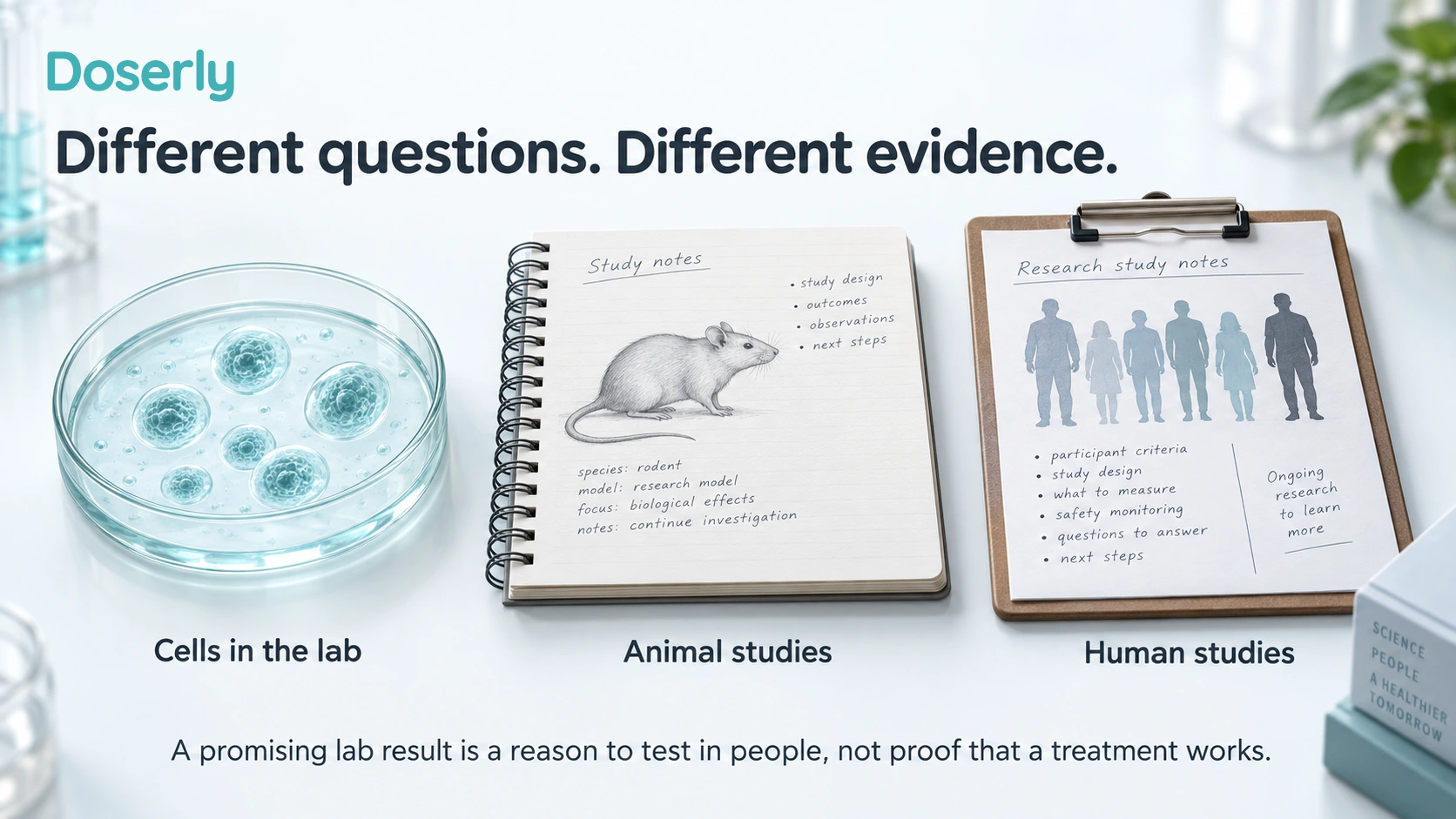
Here is the important caveat: despite this rich composition, the clinical evidence for specific health benefits in humans is surprisingly thin. Most of the research showing anti-inflammatory, antioxidant, hepatoprotective, and immune-supporting effects comes from animal studies and laboratory experiments, not human clinical trials. The handful of human studies that do exist are small, short-term, and often poorly controlled. Bee pollen remains a nutritionally valuable food, but calling it a proven therapeutic supplement overstates the current science [4][5].
Another key point: bee pollen composition varies dramatically depending on which plants the bees visited, the geographic region, and the season. A jar of bee pollen from one source may have a completely different nutrient and phytochemical profile than one from another, making it difficult to standardize dosing or predict effects [1][2][4].
The Science
Bee pollen (Apis mellifera L. pollen loads) is a complex biological matrix consisting of approximately 250 identified bioactive compounds. Its macronutrient composition averages proteins 14-33%, carbohydrates 40-85% (predominantly fructose and glucose), lipids 1-13%, and approximately 1.6% minerals, with substantial variation by floral origin [1][2][3].
The protein fraction includes all essential amino acids (methionine, lysine, threonine, histidine, leucine, isoleucine, valine, phenylalanine, tryptophan), accounting for approximately 10-12% of dry weight. The lipid fraction contains essential fatty acids (linoleic, gamma-linolenic, arachidonic acid), phospholipids (~1.5%), and phytosterols including beta-sitosterol (~1.1%) [1].
Phenolic compounds average approximately 1.6%, dominated by flavonoids (~1.4%) including kaempferol, quercetin, and isorhamnetin, with phenolic acids (~0.2%) including chlorogenic acid. Additional bioactive constituents include triterpenes (oleanolic acid, ursolic acid, betulin alcohol), carotenoid pigments, and enzymatic cofactors [1][3].
A critical factor distinguishing bee pollen from standardized botanical extracts is its inherent variability. Pollen composition is fundamentally determined by the botanical species visited by bees, with geographic origin, seasonal timing, soil type, and bee race contributing additional variation. This variability represents a fundamental challenge for clinical research design and therapeutic standardization [1][2][4].
Chemical & Nutritional Identity
Property
Chemical Name
- Value
- Bee-collected pollen loads (complex biological matrix)
Property
CAS Number
- Value
- Not applicable (natural composite)
Property
PubChem CID
- Value
- Not applicable
Property
Category
- Value
- Bee product / Apitherapeutic / Whole-food supplement
Property
Average Protein Content
- Value
- 14-33% (includes all essential amino acids)
Property
Average Carbohydrate Content
- Value
- 40-85% (mainly fructose and glucose)
Property
Average Lipid Content
- Value
- 1-13%
Property
Key Bioactive Compounds
- Value
- Kaempferol, quercetin, isorhamnetin, chlorogenic acid, beta-sitosterol
Property
Vitamin Content
- Value
- B1, B2, B6, C, provitamin A, D, E, folic acid, biotin, niacin, pantothenic acid
Property
Mineral Content
- Value
- Calcium, phosphorus, magnesium, sodium, potassium, iron, copper, zinc, manganese, silicon, selenium
Regulatory Daily Values
No Recommended Dietary Allowance (RDA), Adequate Intake (AI), or Tolerable Upper Intake Level (UL) has been established for bee pollen by the Institute of Medicine, EFSA, or any regulatory body. Bee pollen is not classified as an essential nutrient. It is regulated as a dietary supplement under DSHEA in the United States.
Nutritional Profile Per 50g Serving (approximate)
Based on published compositional data, a 50g serving of bee pollen may provide approximately 50% of the reference daily intake for most vitamins and minerals, though this varies significantly by source [3]. The table below represents average values across multiple botanical origins:
Nutrient
Protein
- Approximate Amount per 50g
- 7-16 g
Nutrient
Carbohydrates
- Approximate Amount per 50g
- 20-42 g
Nutrient
Lipids
- Approximate Amount per 50g
- 0.5-6.5 g
Nutrient
Vitamin C
- Approximate Amount per 50g
- ~0.1 g (varies widely)
Nutrient
Beta-carotene
- Approximate Amount per 50g
- ~0.035 mg
Nutrient
Iron
- Approximate Amount per 50g
- Significant (varies)
Nutrient
Calcium
- Approximate Amount per 50g
- Significant (varies)
Nutrient
Magnesium
- Approximate Amount per 50g
- Significant (varies)
Common Supplement Forms
Form
Raw granules
- Notes
- Most common; intact pollen pellets; lowest bioavailability (10-15% if not chewed/ground)
Form
Micronized/ground powder
- Notes
- Mechanically disrupted exine layer; bioavailability increases to 60-80%
Form
Bee bread (fermented)
- Notes
- Naturally fermented by hive bacteria; strongest action per traditional literature; improved bioavailability
Form
Capsules/tablets
- Notes
- Standardized doses; convenient; may use extract or ground pollen
Form
Liquid extracts
- Notes
- Less common; may use ethanol or water extraction
Mechanism of Action
The Basics
Bee pollen works through multiple overlapping pathways, which makes sense given that it is not a single compound but a complex mixture of hundreds of bioactive molecules. Think of it less like a targeted pharmaceutical and more like a broad-spectrum nutritional intervention that influences several biological systems simultaneously [1][3].
The anti-inflammatory effects come from flavonoids and phenolic acids that block the same enzyme pathways (cyclooxygenase and lipoxygenase) targeted by common anti-inflammatory medications like ibuprofen and naproxen. In animal studies, these effects have been substantial, with pollen extracts eliminating up to 75% of experimentally induced swelling [1].
The antioxidant activity operates through direct free radical scavenging (via flavonoids like quercetin and kaempferol) and through supporting the body's own antioxidant defenses, including glutathione and superoxide dismutase. This dual mechanism means bee pollen can both mop up existing oxidative damage and help prevent new damage from forming [1][3].
Bee pollen also appears to support liver health by protecting liver cells from toxic damage. Animal studies using various liver toxins (carbon tetrachloride, paracetamol, ethanol) have consistently shown that pollen can bring elevated liver enzyme levels back toward normal values [1].
The immune-modulating effects are interesting: bee pollen appears to inhibit histamine release from mast cells (reducing allergic responses) while simultaneously supporting broader immune function. One study showed a 62% inhibition of histamine release from mast cells exposed to anti-IgE antibodies [1].
The Science
Anti-inflammatory Pathways: Bee pollen exerts anti-inflammatory effects primarily through inhibition of cyclooxygenase (COX) and lipoxygenase (LOX) enzymatic activity, blocking the conversion of arachidonic acid to pro-inflammatory prostaglandins and leukotrienes. In a rat carrageenan paw edema model, concentrated pollen extract at 50 mg/kg body weight suppressed inflammation by 75%. The active constituents responsible include flavonoids (kaempferol, quercetin), phenolic acids (chlorogenic acid), fatty acids, and phytosterols [1]. Additionally, bee pollen suppresses NF-kB and TNF-alpha signaling pathways, which are central mediators of chronic inflammation [3].
Antioxidant Mechanisms: The antioxidant activity of bee pollen involves both direct radical scavenging by polyphenolic compounds and enhancement of endogenous antioxidant enzyme systems. Animal studies demonstrate increased catalase (CAT) and glutathione S-transferase (GST) activity in liver tissue following bee pollen supplementation. Flavonoid constituents, particularly quercetin, contribute electron-donating capacity for neutralization of reactive oxygen species (ROS) and reactive nitrogen species (RNS) [1][3].
Hepatoprotective Activity: Comprehensive animal toxicology studies demonstrate that bee pollen reduces elevated alanine transaminase (ALT), aspartate transaminase (AST), acid phosphatase, and bilirubin to physiological values following exposure to hepatotoxins including carbon tetrachloride, trichlorethylene, ethionine, ammonium fluoride, galactosamine, ethanol, allyl alcohol, paracetamol, and hydrocortisone. When co-administered with toxins, pollen exhibited preventive hepatoprotection. Polyphenols (flavonoids and phenolic acids) are identified as the primary hepatoprotective constituents [1].
Mast Cell Stabilization: In vitro studies demonstrate that bee pollen inhibits IgE-mediated mast cell degranulation, reducing histamine release by 62%. This mast cell stabilization effect provides a mechanistic basis for the traditional use of bee pollen in allergy management, though the clinical relevance in human allergic rhinitis remains unvalidated [1].
Hypolipidemic Effects: Animal and limited clinical evidence suggests bee pollen decreases plasma total lipids and triglycerides through mechanisms involving modulation of insulin, testosterone, and thyroxine metabolism. Clinical studies reported 20-35% reduction in serum lipid levels, with antiplatelet aggregation and enhanced fibrinolytic activity also documented [1].
Absorption & Bioavailability
The Basics
This is where bee pollen gets tricky. Each pollen grain is surrounded by a remarkably tough outer shell called the exine, made primarily of a substance called sporopollenin. This shell is one of the most chemically resistant biological materials known, and it creates a significant barrier to digestion and nutrient absorption [3][6].
If you simply swallow whole bee pollen granules without chewing them thoroughly, your body may only access 10-15% of the nutrients inside. The exine layer resists the acids and enzymes in your digestive tract, meaning much of what you swallowed passes through without being absorbed [1].
The good news is that this problem has straightforward solutions. Grinding or micronizing the pollen mechanically breaks the exine layer, increasing bioavailability to approximately 60-80%. Soaking pollen in warm water for 2-3 hours causes the grains to swell and crack open naturally. Fermenting pollen (as bees do to make bee bread) uses microbial enzymes to break down the exine, which is why bee bread is traditionally considered more potent than raw pollen [1][3].
Taking bee pollen with food does not appear to be necessary for absorption, but mixing it into yogurt, smoothies, or other soft foods ensures you are physically breaking the granules as you eat, which helps.
The Science
Exine Barrier: The outer cell wall (exine) of pollen grains is composed primarily of sporopollenin, an exceptionally resistant biopolymer that withstands harsh chemical and enzymatic conditions. The exine is the primary factor limiting bioavailability of pollen nutrients and bioactive compounds in the human gastrointestinal tract. The inner cell wall (intine) is comparatively permeable [1][3][6].
Mechanical Processing: Grinding or micronization physically disrupts the exine layer, increasing nutrient accessibility from approximately 10-15% (intact grains, chewed before swallowing) to 60-80% (mechanically processed). This represents a 4-8 fold improvement in bioavailability through processing alone [1].
Fermentation (Bee Bread): Natural lactic acid fermentation by Lactobacillus spp. and Saccharomyces spp. in the hive environment enzymatically degrades the exine layer while simultaneously producing lactic acid, which acts as a preservative. Fermented bee pollen (bee bread) demonstrates superior bioavailability compared to raw pollen and is described in the apitherapeutic literature as having "stronger action" [1][3].
Hydration: Soaking pollen grains in warm water causes osmotic swelling, with grains cracking and releasing intracellular contents after 2-3 hours. Milk, fruit juices, and vegetable juices can also be used as hydration media [1].
No formal pharmacokinetic parameters (Cmax, Tmax, half-life, AUC) have been established for bee pollen or its individual bioactive constituents when delivered via the whole-pollen matrix. Pharmacokinetic characterization remains a significant research gap [1][3].
Understanding how your body absorbs a supplement is only useful if you can act on it. Doserly lets you log exactly when you take each form, whether it's a capsule with a meal, a sublingual tablet on an empty stomach, or a liquid taken with a cofactor, so you can see how timing and form choices affect your results over time.
The app also tracks cofactor pairings that influence absorption. If a supplement works better alongside vitamin C, fat, or black pepper extract, Doserly reminds you to take them together and logs both. Over weeks, your personal data reveals whether those pairing strategies are translating into measurable differences in the biomarkers you're tracking.
Build reminders around the routine, not just the compound.
Doserly can keep timing, skipped doses, and schedule changes organized so the plan you read about becomes easier to follow and review.
Today view
Upcoming reminders
Reminder tracking supports consistency; it does not select a protocol for you.
Research & Clinical Evidence
The Basics
The research picture for bee pollen is characterized by a significant gap between laboratory promise and clinical proof. In test tubes and animal models, bee pollen and its constituent compounds demonstrate an impressive range of biological activities: anti-inflammatory, antioxidant, antimicrobial, hepatoprotective, anticancer, and immunomodulatory effects have all been documented in preclinical settings [1][2][3][4].
The problem is that very few of these findings have been validated in well-designed human clinical trials. The handful of human studies that exist tend to be small (fewer than 50 participants), short-term, and often lack proper blinding or placebo controls. A 2009 systematic review by the Natural Standard Research Collaboration rated the evidence for most bee pollen indications as Grade C, meaning "unclear or conflicting scientific evidence" [5].
For athletic performance, which is one of the most commonly marketed claims, the evidence is particularly disappointing. Two controlled studies found no significant effects of bee pollen supplementation on athletic performance measures [4].
The strongest preclinical evidence exists for anti-inflammatory and hepatoprotective effects, but translating these animal findings to human dosing and efficacy remains an unmet research need. A 2023 scoping review in Nutrients acknowledged the "very encouraging" preclinical data while noting that "translational and clinical research is still lacking" [2].
The Science
Athletic Performance:
Two controlled human studies assessed bee pollen for athletic performance enhancement. Steben & Boudreaux (1978) and Maughan & Evans (1982) both failed to demonstrate significant improvements in performance measures. The Natural Standard systematic review assigned a Grade C evidence rating for this indication [4][5].
Hypolipidemic Effects (Human):
Clinical studies (limited details available) reported that bee pollen decreased blood serum lipid substances by 20-35%. In patients not responding to fenofibrate therapy, pollen achieved 20-30% reductions in lipids and cholesterol with 30% decrease in platelet aggregation [1].
Prostate Health (Limited Clinical Data):
Clinical data suggest positive effects in nonbacterial prostate inflammation (symptom improvement, pain reduction) and benign prostatic hyperplasia. When combined with chemotherapeutic agents for early-stage prostate cancer, the proportion of patients experiencing significant therapeutic benefit increased. However, study details and sample sizes are not well-documented in the available reviews [1].
Anti-inflammatory (Preclinical):
Concentrated bee pollen extract at 50 mg/kg body weight eliminated 75% of carrageenan-induced paw swelling in rats, with anti-inflammatory potency compared to naproxen, phenylbutazone, and indomethacin. The mechanism involves dual COX/LOX inhibition [1].
Hepatoprotective (Animal):
Comprehensive animal toxicology studies demonstrate hepatoprotection against a wide range of liver toxins, with normalization of elevated liver enzymes (ALT, AST, acid phosphatase, bilirubin) both therapeutically and preventively [1].
Mast Cell Stabilization (In Vitro):
Bee pollen inhibited IgE-mediated histamine release from mast cells by 62%, suggesting a mechanistic basis for anti-allergic properties [1].
Cancer Research (Preclinical Only):
Steroid fractions from bee pollen (Brassica campestris) induced apoptosis in human prostate cancer PC-3 cells in vitro. No human clinical trials for cancer treatment have been conducted [1].
Evidence & Effectiveness Matrix
Category
Immune Function
- Evidence Strength
- 3/10
- Reported Effectiveness
- 6/10
- Summary
- In vitro mast cell stabilization (62% histamine inhibition). No human RCTs for allergy relief. Community reports of allergy reduction are common but rely on questionable desensitization mechanism.
Category
Inflammation
- Evidence Strength
- 5/10
- Reported Effectiveness
- 4/10
- Summary
- Strong preclinical evidence (75% swelling reduction in rats, COX/LOX inhibition comparable to NSAIDs). No human clinical trials. Minimal community discussion.
Category
Energy Levels
- Evidence Strength
- 1/10
- Reported Effectiveness
- 5/10
- Summary
- No clinical evidence for energy effects. Several community reports of noticeable energy boost, including one user describing intense stimulant-like effect.
Category
Heart Health
- Evidence Strength
- 3/10
- Reported Effectiveness
- N/A
- Summary
- Limited clinical data showing 20-35% lipid reduction and decreased platelet aggregation. Older studies with methodological concerns. No community data.
Category
Physical Performance
- Evidence Strength
- 2/10
- Reported Effectiveness
- 4/10
- Summary
- Two controlled human studies showed no significant performance benefits. Grade C evidence rating. Modest positive community reports.
Category
Joint Health
- Evidence Strength
- 4/10
- Reported Effectiveness
- 3/10
- Summary
- Animal data supports anti-inflammatory effects relevant to joint health. One anecdotal community report of arthritis improvement. No human joint-specific trials.
Category
Skin Health
- Evidence Strength
- 3/10
- Reported Effectiveness
- 3/10
- Summary
- Preclinical evidence for wound healing and cosmetic properties. Kaempferol supports connective tissue. Minimal community reports.
Category
Gut Health
- Evidence Strength
- 3/10
- Reported Effectiveness
- 3/10
- Summary
- Preclinical evidence for gut function maintenance and regulation. Minimal community discussion. One negative report (stomach discomfort).
Category
Hormonal Symptoms
- Evidence Strength
- 2/10
- Reported Effectiveness
- 3/10
- Summary
- Very limited data. One community report of PMDD symptom improvement. Phytoestrogen content theoretically relevant but poorly characterized.
Category
Side Effect Burden
- Evidence Strength
- 5/10
- Reported Effectiveness
- 5/10
- Summary
- Allergy risk well-documented including anaphylaxis potential. Contamination concerns (pesticides, heavy metals, mold) raised by beekeepers. Primary safety issue is allergic reaction.
Category
Nausea & GI Tolerance
- Evidence Strength
- 3/10
- Reported Effectiveness
- 4/10
- Summary
- Some reports of GI discomfort, particularly at higher initial doses. Community suggests starting with small amounts.
Category
Longevity & Neuroprotection
- Evidence Strength
- 3/10
- Reported Effectiveness
- N/A
- Summary
- Animal data showing extended lifespan. Neuroprotective properties documented preclinically. Mental health benefits noted in traditional literature. No human trials.
Categories scored: 12
Categories with community data: 10
Categories not scored (insufficient data): Fat Loss, Muscle Growth, Weight Management, Appetite & Satiety, Food Noise, Sleep Quality, Focus & Mental Clarity, Memory & Cognition, Mood & Wellbeing, Anxiety, Stress Tolerance, Motivation & Drive, Emotional Aliveness, Emotional Regulation, Libido, Sexual Function, Pain Management, Recovery & Healing, Digestive Comfort, Hair Health, Blood Pressure, Heart Rate & Palpitations, Temperature Regulation, Fluid Retention, Body Image, Bone Health, Cravings & Impulse Control, Social Connection, Treatment Adherence, Withdrawal Symptoms, Daily Functioning
Benefits & Potential Effects
The Basics
Bee pollen's benefit profile is unusually broad but unusually shallow. It touches many body systems but, with the current evidence, cannot claim strong proof for any single indication. This is partly because bee pollen is a complex food matrix rather than an isolated active ingredient, and partly because rigorous human trials simply have not been conducted [1][2][4].
The most well-documented preclinical benefits include anti-inflammatory effects, antioxidant protection, and liver support. In animal models, these effects are robust and reproducible. Bee pollen has also shown hepatoprotective properties that are remarkably versatile, protecting liver tissue from damage caused by a wide range of toxins including pharmaceutical drugs, industrial chemicals, and alcohol [1].
There is traditional and limited clinical evidence supporting a role in cardiovascular health, specifically through lipid-lowering and antiplatelet effects. The lipid-lowering effects were reportedly strong enough to help patients who had not responded to conventional lipid-lowering medication [1].
Bee pollen's nutritional value as a whole-food supplement is probably its most defensible benefit. It provides a genuinely broad spectrum of essential amino acids, vitamins, minerals, and bioactive plant compounds in a single food source. For someone looking to add nutritional density to their diet, bee pollen delivers meaningful micronutrient content [1][2][3].
Prostate health is another area with some traditional and clinical support, particularly for nonbacterial prostatitis and benign prostatic hyperplasia, though the evidence base is small [1].
The Science
Hepatoprotection: The most extensively documented benefit in preclinical models. Bee pollen normalizes elevated liver enzymes (ALT, AST, acid phosphatase, bilirubin) following exposure to diverse hepatotoxins. Both therapeutic and preventive effects are demonstrated. Polyphenols, particularly flavonoids and phenolic acids, are identified as the primary hepatoprotective constituents. Detoxification activity extends to occupational toxins, heavy metals, and pharmaceutical drugs [1].
Hypolipidemic/Cardiovascular: Clinical evidence (older studies) supports 20-35% reduction in serum lipids. In fenofibrate non-responders, bee pollen achieved 20-30% lipid and cholesterol reduction with 30% decreased platelet aggregation. Small doses in older adults inhibited atherosclerotic vascular changes and improved cerebral blood flow. Hypoglycemic activity attributed to unsaturated fatty acids, phospholipids, and phytosterols [1].
Anti-inflammatory: Preclinical potency comparable to naproxen and indomethacin via COX/LOX inhibition. NF-kB and TNF-alpha pathway suppression documented. Recommended in traditional literature for acute and chronic inflammatory conditions and degenerative diseases [1][3].
Antioxidant: Increased tissue levels of vitamin C and magnesium in animal models. Enhanced endogenous antioxidant enzymes (catalase, glutathione S-transferase). Direct free radical scavenging by polyphenolic constituents [1][3].
Nutritional/Adaptogenic: In animal feeding studies, bee pollen supplementation increased hemoglobin and red blood cell counts, lengthened lifespan, and accelerated weight recovery in malnourished animals. Adaptogenic properties include increased resistance to physical, chemical, and biological stressors and improved cognitive function (memory, learning, concentration) [1].
Prostate Health: Clinical benefit reported in nonbacterial prostatitis (symptom improvement, pain reduction), benign prostatic hyperplasia, and as adjunctive therapy in early-stage prostate cancer [1].
Reading about potential benefits gives you a framework. Seeing whether those benefits are showing up in your own body turns knowledge into confidence. Doserly lets you track the specific health markers relevant to this supplement, building a personal dataset that captures what's actually changing week over week.
The app's AI analytics go further than simple logging. By correlating your supplement intake with the biomarkers and health outcomes you're tracking, Doserly surfaces patterns you might miss on your own, like whether a dose adjustment three weeks ago corresponds to the improvement you're noticing now. When it's time to evaluate whether a supplement is earning its place in your stack, you have your own data to guide the decision.
Keep sensitive protocol records in a purpose-built app.
Doserly is designed for private health tracking with structured records, offline-ready workflows, and exportable history when you need it.
Privacy
Health records
Privacy controls help you manage records; keep clinical records where required.
Side Effects & Safety
The Basics
The most significant safety concern with bee pollen is allergic reaction. Because bee pollen contains proteins from multiple plant species, anyone with pollen allergies, bee sting allergies, or allergies to honey, ragweed, or chrysanthemums faces a real risk of reaction. Reported allergic reactions range from mild (itching, redness, nasal congestion) to severe (anaphylaxis, difficulty breathing, facial swelling). These reactions can occur even with very small amounts [4][5][6].
Beyond allergy, contamination is a practical concern. Bee pollen can contain trace levels of pesticides, heavy metals, mycotoxins from mold, and bacteria. The level of contamination depends on the geographic region, beekeeping practices, and storage conditions. Beekeepers note that even "organic" bee pollen cannot be guaranteed pesticide-free because bees forage across wide areas that may include treated crops [7].
Bee pollen is generally not recommended for children, pregnant women, or breastfeeding women due to insufficient safety data in these populations [5][6].
One documented drug interaction exists: a case report describes a probable interaction between bee pollen and warfarin, resulting in elevated INR (a measure of blood-thinning). Anyone taking blood thinners should consult a healthcare provider before using bee pollen [4].
A photosensitivity reaction was reported in a woman taking a supplement containing bee pollen alongside ginseng and goldenseal, though the specific causative ingredient was not isolated [4].
The Science
Allergic Reactions: The primary safety concern. Bee pollen contains diverse plant proteins that may trigger IgE-mediated hypersensitivity reactions. Reported adverse events include urticaria, angioedema, rhinitis, anaphylaxis, and phototoxic reactions. MSKCC recommends avoidance in patients allergic to bee stings, honey, ragweed, or chrysanthemums. Royal jelly should also be avoided in these individuals [4].
Documented Case Reports:
- Photosensitivity: 32-year-old woman, itching and rash with sun exposure after supplement containing ginseng, goldenseal, and bee pollen [4]
- Recurring lesion over 1-year period: 55-year-old man, related to ingestion of bee pollen containing propolis; cleared on cessation, recurred on re-challenge, confirming causation [4]
- Severe allergic reaction: Community report of puffy face, itchy mouth, closed nasal passages, lymph node pain, and sinus burning from 1/2 teaspoon dose [7]
Contamination:
- Pesticide residues: Beekeepers install pesticide strips (miticides for Varroa mite control); pollen may also contain pesticide residues from agricultural foraging areas
- Heavy metals: Documented in some pollen samples depending on geographic source
- Mycotoxins: Mold contamination possible, particularly with improper storage of high-moisture pollen
- Bacterial contamination: Raw pollen may harbor bacterial contaminants [3][6][7]
Drug Interactions:
- Warfarin: Case report of increased INR (international normalized ratio) with concurrent bee pollen use (Hurren & Lewis, 2010). Mechanism not established but may relate to flavonoid content affecting vitamin K metabolism [4]
Contraindicated Populations:
- Individuals allergic to bee stings, honey, ragweed, or chrysanthemums
- Children (insufficient safety data)
- Pregnant or breastfeeding women (insufficient safety data)
- Patients on anticoagulant therapy (potential warfarin interaction) [4][5][6]
FDA Regulatory Actions:
The FDA has removed bee pollen-containing supplements from the market when manufacturers made unsubstantiated therapeutic claims. FDA states that bee pollen products must not make claims regarding treating, curing, or preventing disease [6].
Knowing the possible side effects is the first step. Catching them early in your own experience is what keeps a supplement routine safe. Doserly lets you log any symptoms as they arise, tagging them with severity, timing relative to your dose, and whether they resolve on their own or persist.
The app's interaction checker cross-references everything in your stack, supplements and medications alike, flagging known interactions before they become a problem. It also monitors your total intake against established upper limits, alerting you if your combined sources of a nutrient are approaching thresholds where risk increases. Think of it as a safety net that works quietly in the background while you focus on the benefits.
Keep side effects, flags, and follow-up notes visible.
Doserly helps you document safety observations, side effects, medication changes, and follow-up questions so important context is not scattered.
Safety log
Flags and notes
Safety notes are not emergency guidance; seek medical help when appropriate.
Dosing & Usage Protocols
The Basics
There is no officially established dose for bee pollen because it has never been through the regulatory process that would produce one. The dosing guidance that exists comes primarily from traditional apitherapy practice and a limited number of clinical observations [1][5].
Traditional therapeutic dosing for adults ranges from 20 to 40 grams per day, which translates to roughly 3 to 5 teaspoons (with one teaspoon equaling approximately 7.5 grams). This is a substantial amount and reflects the older European apitherapy tradition where bee pollen is used more as a food than a capsule supplement. Children's doses in this tradition are 1 to 2 teaspoons per day [1].
Modern supplement products typically provide much lower doses, often 500 mg to 2,000 mg per capsule, with label recommendations of 1 to 3 capsules daily. This puts common supplemental intake at 1 to 6 grams per day, well below the traditional therapeutic range [5][6].
A critical practical point: start small. Given the allergy risk, the standard recommendation is to begin with a few granules or a fraction of a teaspoon and gradually increase over several days while monitoring for any allergic reaction. This is not overcaution. Documented allergic reactions have occurred with amounts as small as half a teaspoon [7].
Treatment duration in the traditional literature is typically 1 to 3 months, with courses repeated 2 to 4 times per year. The recommended timing is between winter and spring and between summer and autumn [1].
The Science
Traditional Therapeutic Dosing:
Application
General therapeutic use (adults)
- Dose
- 20-40 g/day (3-5 tsp)
- Duration
- 1-3 months
- Source
- Traditional apitherapy [1]
Application
General therapeutic use (children)
- Dose
- 7.5-15 g/day (1-2 tsp)
- Duration
- 1-3 months
- Source
- Traditional apitherapy [1]
Application
Combination therapy / chronic disease
- Dose
- Lower doses (not specified)
- Duration
- Ongoing
- Source
- Traditional apitherapy [1]
Application
Typical supplement products
- Dose
- 500-2,000 mg per capsule
- Duration
- Per label
- Source
- Commercial products
Administration Frequency: Traditionally taken 3 times per day before meals [1].
Bioavailability-Adjusted Dosing: Given that unprocessed pollen granules deliver only 10-15% bioavailability while ground/micronized forms deliver 60-80%, the effective dose varies substantially by preparation. A 20g dose of ground pollen may deliver 4-6x more bioactive content than the same weight of intact granules [1].
Bee Bread Dosing: Because fermented pollen (bee bread) has stronger bioactivity and improved bioavailability, the traditional literature indicates that equivalent effects are achieved with lower doses or shorter treatment duration compared to raw pollen [1].
No established dose-response curve exists from controlled human studies. All dosing is empirically derived from traditional practice and limited clinical observation.
What to Expect (Timeline)
Days 1-3: Start with a very small amount (a few granules or 1/4 teaspoon) to screen for allergic reaction. Watch for any itching, redness, swelling, nasal congestion, or breathing difficulty. If no reaction occurs after 2-3 days, gradually increase the dose. Some users report an immediate energy boost, even at low doses, though this may be partially placebo-driven [7].
Weeks 1-2: At a comfortable daily dose, most people tolerate bee pollen well. Some users report improved energy and subjective vitality. Those taking bee pollen for allergies may begin to notice subtle changes, though clinical evidence for this timeline is absent. Mild GI adjustment (mild bloating or loose stools) may occur, particularly at higher doses.
Weeks 3-4: If anti-inflammatory or antioxidant benefits are going to manifest, this is a plausible window based on the time required for polyphenols to influence tissue-level oxidative stress markers. Traditional apitherapy considers the minimum course to be one month [1].
Months 1-3: The traditional treatment period. Clinical observations of lipid-lowering effects were documented over this timeframe. Nutritional benefits (improved micronutrient status) would be expected to accumulate with consistent daily intake. Some sources recommend a full 3-month course for chronic conditions [1].
Important note: Because there are no human RCTs with defined timelines for specific outcomes, all timeline expectations for bee pollen are extrapolated from traditional use patterns and preclinical data. Individual experiences will vary considerably, partly due to the inherent variability in bee pollen composition.
Interactions & Compatibility
Synergistic
Supplement/Compound
Honey
- Interaction
- Traditional apitherapy combines bee pollen with honey; honey acts as a preservation medium and may enhance palatability
- Doserly Link
- N/A
Supplement/Compound
Propolis
- Interaction
- Fellow bee product with complementary antimicrobial and anti-inflammatory profiles; often used together in apitherapy
- Doserly Link
- N/A
Supplement/Compound
Vitamin C
- Interaction
- Antioxidant synergy; bee pollen contains some vitamin C and co-administration may support overall antioxidant capacity
- Doserly Link
- Covered in registry
Supplement/Compound
Probiotics
- Interaction
- May support the fermentation-enhanced bioavailability concept; probiotics could theoretically assist in breaking down the pollen exine layer in the gut
- Doserly Link
- Covered in registry
Caution / Avoid
Substance
Warfarin (Coumadin)
- Interaction
- Case report of increased INR; bee pollen may potentiate anticoagulant effects
- Severity
- High
Substance
Other blood thinners
- Interaction
- Theoretical concern based on warfarin interaction and documented antiplatelet effects of bee pollen
- Severity
- Moderate
Substance
Immunosuppressants
- Interaction
- Bee pollen has immunostimulatory properties; may counteract immunosuppressive medications
- Severity
- Moderate
Substance
Allergy medications
- Interaction
- If taking bee pollen for allergies alongside antihistamines, effects may overlap or interactions may occur
- Severity
- Low
How to Take / Administration Guide
Oral Administration (Granules)
Starting protocol: Begin with 3-5 individual granules on day one. Monitor for 24 hours for any allergic reaction. If tolerated, double the amount each day until reaching your target dose over 5-7 days. This gradual introduction is essential due to allergy risk [1][7].
Improving bioavailability: The single most important factor for getting value from bee pollen is breaking the exine layer. Three approaches:
- Grind the granules using a coffee grinder, mortar and pestle, or blender before consuming
- Soak in warm water, milk, or juice for 2-3 hours (grains will swell and crack)
- Chew thoroughly if consuming whole granules; this is the minimum acceptable approach but still less effective than grinding [1]
Mixing suggestions: Bee pollen mixes well with yogurt, smoothies, oatmeal, salads, and cottage cheese. The traditional recommendation is to mix ground pollen with another food at a ratio of 1:1 to 1:4 [1].
Timing: Traditionally taken 3 times daily before meals. If using a single daily dose, morning is preferred by most users due to reported energy effects [1].
Capsule/Tablet Administration
Follow manufacturer dosing instructions. Note that capsules may contain either ground pollen or pollen extract. Ground pollen capsules have addressed the bioavailability concern through manufacturing; extracts may concentrate specific bioactive compounds.
Bee Bread
Bee bread (fermented pollen) is typically consumed in smaller amounts than raw pollen due to its stronger bioactivity. The traditional ratio for preparing bee bread with honey is 1:5 (bee bread to honey) [1].
Cycling
Traditional apitherapy recommends treatment courses of 1-3 months, repeated 2-4 times per year. Continuous year-round use is not specifically addressed in the available literature, though it is practiced by some users [1].
Choosing a Quality Product
Key Quality Markers
Source transparency: A reputable bee pollen product should clearly state geographic origin. Local bee pollen is preferred by many users, particularly those interested in allergy relief, though the scientific basis for local pollen being superior is weak.
Botanical origin: Some products specify the primary floral source (e.g., wildflower, clover, rapeseed). Monofloral bee pollen allows more consistent composition but is less common.
Processing method: Look for whether pollen is raw, micronized/ground, or fermented (bee bread). Ground or fermented forms offer substantially better bioavailability.
Contamination testing: Quality products should be tested for pesticide residues, heavy metals (lead, cadmium, arsenic, mercury), mycotoxins, and bacterial contamination. This is particularly important for bee pollen given documented contamination concerns [3][6][7].
Third-Party Certifications
Certification
USP Verified
- What It Tests
- Identity, strength, purity, performance
Certification
NSF International
- What It Tests
- NSF/ANSI standards compliance
Certification
NSF Certified for Sport
- What It Tests
- Screens for 280+ banned substances
Certification
Informed Sport
- What It Tests
- Batch testing for WADA-banned substances
Certification
ConsumerLab Seal
- What It Tests
- Independent testing for purity and label accuracy
Note: Third-party certified bee pollen products are less common than for mainstream supplements like vitamins and minerals. If certification is not available, prioritize products from established apiaries or supplement companies with documented testing protocols.
Red Flags
- No geographic origin listed
- Therapeutic health claims on the label (FDA violation)
- No lot/batch testing information
- Extremely low price (may indicate poor sourcing or contamination risk)
- "Organic" claims without credible certification (true organic bee pollen is virtually impossible to guarantee because bees forage freely) [7]
Storage & Handling
Temperature: Store in a cool, dry place. Refrigeration (4C/39F) is recommended for opened containers. Freezing extends shelf life significantly and is recommended for long-term storage.
Moisture: Bee pollen has naturally high moisture content (15-30% in fresh pollen) and is highly susceptible to mold growth and microbial spoilage if not properly dried or stored. Commercial bee pollen is typically dried to reduce moisture, but should still be kept sealed.
Light: Store away from direct sunlight, which can degrade bioactive compounds including vitamins and flavonoids.
Shelf life: Properly dried and stored bee pollen typically lasts 1-2 years at room temperature. Refrigerated pollen retains quality longer. Frozen pollen can be stored for several years.
Signs of spoilage: Musty smell, visible mold, unusual color changes, or excessively clumped granules indicate potential contamination and the product should be discarded.
Lifestyle & Supporting Factors
Nutrition
A balanced diet rich in fruits, vegetables, and whole grains provides complementary antioxidants and anti-inflammatory compounds that may work synergistically with bee pollen's bioactive profile. Bee pollen should be viewed as a supplement to a nutritious diet, not a replacement for one. Its broad micronutrient profile is most valuable for filling gaps rather than replacing diverse food sources [1][2].
Exercise
Limited evidence suggests bee pollen may modestly support exercise endurance and recovery through its antioxidant and anti-inflammatory properties, though controlled studies showed no significant athletic performance benefits. Consistent physical activity supports the same anti-inflammatory and cardiovascular pathways that bee pollen's bioactive compounds target [4][5].
Hydration
Adequate hydration supports digestion and may improve the bioavailability of bee pollen constituents, particularly when taking soaked or ground pollen mixed into liquids.
Sleep
No direct relationship between bee pollen and sleep has been established. General sleep quality supports the immune function, recovery, and hormonal regulation pathways that some of bee pollen's preclinical benefits target.
Stress Management
Bee pollen has been described as having adaptogenic properties in the traditional literature, increasing resistance to physical, chemical, and biological stressors. Managing psychological stress through meditation, social connection, or other practices supports the same neuroendocrine pathways [1].
Regulatory Status & Standards
United States
- Regulated as a dietary supplement under DSHEA (1994)
- No FDA-approved health claims for bee pollen
- FDA has taken enforcement action against bee pollen products making unsubstantiated therapeutic claims (removal from market)
- GRAS (Generally Recognized as Safe) status has NOT been formally established for bee pollen as a supplement ingredient
- No established RDA, AI, or UL values [5][6]
European Union
- EFSA has not issued specific health claim approvals for bee pollen
- ISO Norm (ISO/TC 34/SC 19 Bee products) is being prepared to standardize bee pollen quality as a food product [2]
- Classified as a novel food or dietary supplement depending on member state regulations
International
- Health Canada: No specific NPN monograph for bee pollen; regulated under Natural Health Products framework
- TGA (Australia): Listed medicine classification may apply to bee pollen products
- WHO: No specific guidelines for bee pollen supplementation
Athlete/Sports Regulatory Status
- WADA Prohibited List: Bee pollen is NOT on the WADA prohibited list
- USADA/UKAD/National agencies: No restrictions on bee pollen use by athletes
- Important caveat: Because bee pollen is a natural product with variable composition and potential contamination, athletes in tested sports should use products tested by Informed Sport, NSF Certified for Sport, Cologne List, or BSCG to minimize risk of inadvertent banned substance exposure
- GlobalDRO: Not a specific entry; athletes should check individual product formulations
Frequently Asked Questions
Does bee pollen help with seasonal allergies?
This is the most common claim about bee pollen, and the answer is complicated. Many people report anecdotal improvement in allergy symptoms when consuming local bee pollen. However, the scientific basis is weak. Bees primarily collect pollen from insect-pollinated (entomophilous) plants, while most seasonal allergies are triggered by wind-pollinated (anemophilous) plants like ragweed and grasses. The pollen types rarely overlap. No well-designed clinical trials have demonstrated bee pollen as effective for allergy relief. If you want to try it, start with a very small amount and monitor for allergic reaction, as bee pollen itself can trigger severe allergic responses in sensitive individuals [1][4][7].
Is bee pollen safe for everyone?
No. Bee pollen is contraindicated for individuals allergic to bee stings, honey, ragweed, or chrysanthemums. It is also not recommended for children, pregnant women, or breastfeeding women due to insufficient safety data. Anyone taking blood thinners (particularly warfarin) should consult a healthcare provider before using bee pollen [4][5][6].
How much bee pollen should I take per day?
There is no standardized recommended dose. Traditional apitherapy uses 20-40g per day for adults, but modern supplements typically provide 1-6g per day. The most important first step is starting with a tiny amount (a few granules) and gradually increasing to screen for allergic reactions [1].
Does bee pollen actually improve athletic performance?
Based on available clinical evidence, no. Two controlled studies found no significant performance improvements with bee pollen supplementation. The Natural Standard Research Collaboration rated the evidence for this claim as Grade C (unclear or conflicting) [4][5].
What is the difference between bee pollen and bee bread?
Bee bread is bee pollen that has been fermented by lactic acid bacteria and yeasts inside the hive. This fermentation process breaks down the tough outer exine layer, improving bioavailability and producing additional bioactive compounds. Bee bread is traditionally considered more potent than raw pollen [1][3].
Can bee pollen replace a multivitamin?
While bee pollen contains a broad spectrum of vitamins and minerals, its composition varies dramatically by source, making it unreliable as a sole micronutrient supplement. A standardized multivitamin provides consistent, predictable doses. Bee pollen is better viewed as a nutritional complement rather than a replacement [1][2].
Should I buy local bee pollen?
The "buy local" recommendation is primarily marketed for allergy relief, based on the theory that exposure to local pollen builds tolerance. Since bees collect pollen from different plant types than those causing most seasonal allergies, this theoretical basis is questionable. Local bee pollen may be fresher and support local beekeepers, which are valid reasons, but the allergy benefit specifically is not scientifically supported [7].
How do I know if I am allergic to bee pollen?
Start with 1-3 individual granules and wait 24 hours. Watch for itching, redness, swelling (especially of face, lips, or throat), nasal congestion, difficulty breathing, or hives. If any reaction occurs, discontinue immediately and consult a healthcare provider. People with known pollen or bee allergies should avoid bee pollen entirely [4][7].
Is bee pollen the same as propolis or royal jelly?
No. Bee pollen is pollen collected from flowers by bees. Propolis is a resinous mixture of tree sap, beeswax, and pollen that bees use to seal their hives. Royal jelly is a secretion produced by worker bees to feed the queen. Each has a different composition and different purported benefits [4].
Does bee pollen contain phytoestrogens?
Some research suggests bee pollen may contain phytochemicals that can bind to estrogen receptors. However, the phytoestrogen content and activity have not been well-characterized, and any hormonal effects are poorly understood. Claims about bee pollen affecting breast size (a viral TikTok trend) have no scientific support [7].
Myth vs. Fact
Myth: Bee pollen is a proven cure for seasonal allergies.
Fact: While many users report anecdotal improvement, no controlled clinical trials have demonstrated bee pollen as effective for allergy relief. The proposed desensitization mechanism is questionable because bees collect pollen from insect-pollinated plants, while most seasonal allergies are caused by wind-pollinated plants like ragweed and grasses. Furthermore, bee pollen itself can cause severe allergic reactions, making it paradoxically risky for allergy sufferers [1][4][7].
Myth: Bee pollen is "nature's perfect food" and provides complete nutrition.
Fact: Bee pollen has a genuinely impressive nutritional profile, containing proteins with all essential amino acids, vitamins, minerals, and bioactive polyphenols. However, its composition varies widely by source, its bioavailability is limited by the exine layer (only 10-15% if unprocessed), and it does not contain sufficient quantities of all essential nutrients to serve as a complete food for humans [1][2].
Myth: Bee pollen will increase breast size.
Fact: This claim, popularized by TikTok, has absolutely no scientific support. While bee pollen may contain trace phytoestrogens, there is no evidence that these are present in sufficient quantities or bioavailability to influence breast tissue growth. Dietitians and medical professionals have uniformly debunked this claim [7].
Myth: Bee pollen dramatically improves athletic performance and endurance.
Fact: Two controlled human studies (Steben & Boudreaux 1978; Maughan & Evans 1982) found no significant improvements in athletic performance measures with bee pollen supplementation. The Natural Standard review rated this as Grade C evidence. While some users report subjective energy improvements, the clinical evidence does not support performance enhancement claims [4][5].
Myth: All bee pollen products are equally effective.
Fact: Bee pollen composition varies dramatically based on botanical origin, geographic location, season, and processing method. Ground or fermented bee pollen is 4-8 times more bioavailable than intact granules. Product quality also varies with contamination risk (pesticides, heavy metals, mold) depending on sourcing and manufacturing practices [1][3].
Myth: Organic bee pollen guarantees a clean, pesticide-free product.
Fact: True organic bee pollen is virtually impossible to guarantee. Bees forage freely across areas up to several miles from their hive and cannot be confined to organic fields. Even hives managed without pesticides may produce pollen contaminated by residues from neighboring treated areas. "Organic" certification for bee pollen should be treated with appropriate skepticism [7].
Myth: Bee pollen is safe for everyone because it is natural.
Fact: Bee pollen can cause severe allergic reactions, including anaphylaxis, in sensitive individuals. It is contraindicated for people allergic to bee stings, honey, ragweed, or chrysanthemums, and is not recommended for children, pregnant women, or breastfeeding women. A documented drug interaction with warfarin has also been reported [4][5][6].
Sources & References
Review Articles and Monographs
[1] Komosinska-Vassev K, Olczyk P, Kazmierczak J, Mencner L, Olczyk K. Bee Pollen: Chemical Composition and Therapeutic Application. Evid Based Complement Alternat Med. 2015;2015:297425. doi:10.1155/2015/297425. PMCID: PMC4377380.
[2] Kacemi R, Campos MG. Translational Research on Bee Pollen as a Source of Nutrients: A Scoping Review from Bench to Real World. Nutrients. 2023;15(10):2413. doi:10.3390/nu15102413. PMCID: PMC10221365.
[3] Gohar F, Raza G, Ali A, et al. Bee pollen as a food and feed supplement and a therapeutic remedy: recent trends in nanotechnology. Front Nutr. 2024;11:1371672. doi:10.3389/fnut.2024.1371672.
[4] Memorial Sloan Kettering Cancer Center. Propolis (includes bee pollen monograph). About Herbs database. Last updated July 6, 2022. https://www.mskcc.org/cancer-care/integrative-medicine/herbs/propolis.
[5] Ulbricht C, Conquer J, Giese N, et al. An evidence-based systematic review of bee pollen by the Natural Standard Research Collaboration. J Diet Suppl. 2009;6(3):290-312. doi:10.1080/19390210903081381.
Primary Research
[6] Denisow B, Denisow-Pietrzyk M. Biological and therapeutic properties of bee pollen: a review. J Sci Food Agric. 2016;96(13):4303-4309. doi:10.1002/jsfa.7729.
Community and Consumer Sources
[7] Community discussion data from r/Supplements, r/Nutrition, r/Allergies, r/Beekeeping, r/bees (aggregated 2023-2026).
Additional References Consulted
[8] Kacemi R, Campos MG. Bee Pollen Phytochemicals and Nutrients as Unequaled Pool of Epigenetic Regulators: Implications for Age-Related Diseases. Foods. 2025;14(3):336. PMCID: PMC11816923.
[9] Alcala-Orozco M, et al. Enhancing the Nutritional and Bioactive Properties of Bee Pollen: A Comprehensive Review of Processing Techniques. Nutrients. 2024. PMCID: PMC11544882.
[10] Steben RE, Boudreaux P. The effects of pollen and protein extracts on selected blood factors and performance of athletes. J Sports Med Phys Fitness. 1978;18:221-226.
[11] Maughan RJ, Evans SP. Effects of pollen extract upon adolescent swimmers. Br J Sports Med. 1982;16(3):142-145.
[12] Hurren KM, Lewis CL. Probable interaction between warfarin and bee pollen. Am J Health Syst Pharm. 2010;67(23):2034-2037.
[13] Ishikawa Y, Tokura T, Nakano N, et al. Inhibitory effect of honeybee-collected pollen on mast cell degranulation in vivo and in vitro. J Med Food. 2008;11(1):14-20.
Related Supplement Guides
Same Category (Bee Products)
Common Stacks / Pairings
- Vitamin C (complementary antioxidant support)
- Probiotics (gut health and potential bioavailability enhancement)
- Quercetin (shared flavonoid profile, synergistic antioxidant)
Related Health Goals
- Spirulina (nutrient-dense superfood comparison)
- Chlorella (another whole-food supplement with broad micronutrient profile)
- Turmeric / Curcumin (anti-inflammatory comparison)
- Elderberry (immune support comparison)