
Longevity
October 16, 2026
Ivermectin and fenbendazole for cancer: what the research and recovery stories actually tell us
On this page
If you have been looking into ivermectin or fenbendazole for cancer, you have probably encountered two very different conversations. One describes inexpensive medicines with exciting laboratory results and remarkable recovery stories. The other warns that the evidence in people is too limited to guide treatment.
There is real research behind the interest. There are also gaps that matter enormously when someone has cancer and needs to make a decision now. A drug can damage cancer cells in an experiment without helping a person live longer. A person can improve after starting a drug without that drug being responsible. Neither observation means the research should be dismissed. It means we need to understand exactly what was measured.
As of October 16, 2026, the evidence reviewed here does not establish ivermectin or fenbendazole as effective cancer treatments in people. Ivermectin is being investigated in a registered breast cancer trial. Fenbendazole has laboratory findings and human case reports, including reports of serious liver injury. Neither has an established place in routine cancer care. ASCO advises against their use for cancer outside well-designed clinical trials, including as additions to standard treatment. ASCO's June 2026 clinical communication
This review looks at the strongest reasons to investigate these drugs, the human evidence, the stories popularized by podcasts and social media, and the findings that challenge the more confident claims. It also covers important publication updates that older videos will not contain.
If this question affects your own care, bring the article and the sources that interest you to your oncology team. Do not stop or postpone a recommended cancer treatment to try either drug. This is an explanation of the evidence, not a dosing protocol.
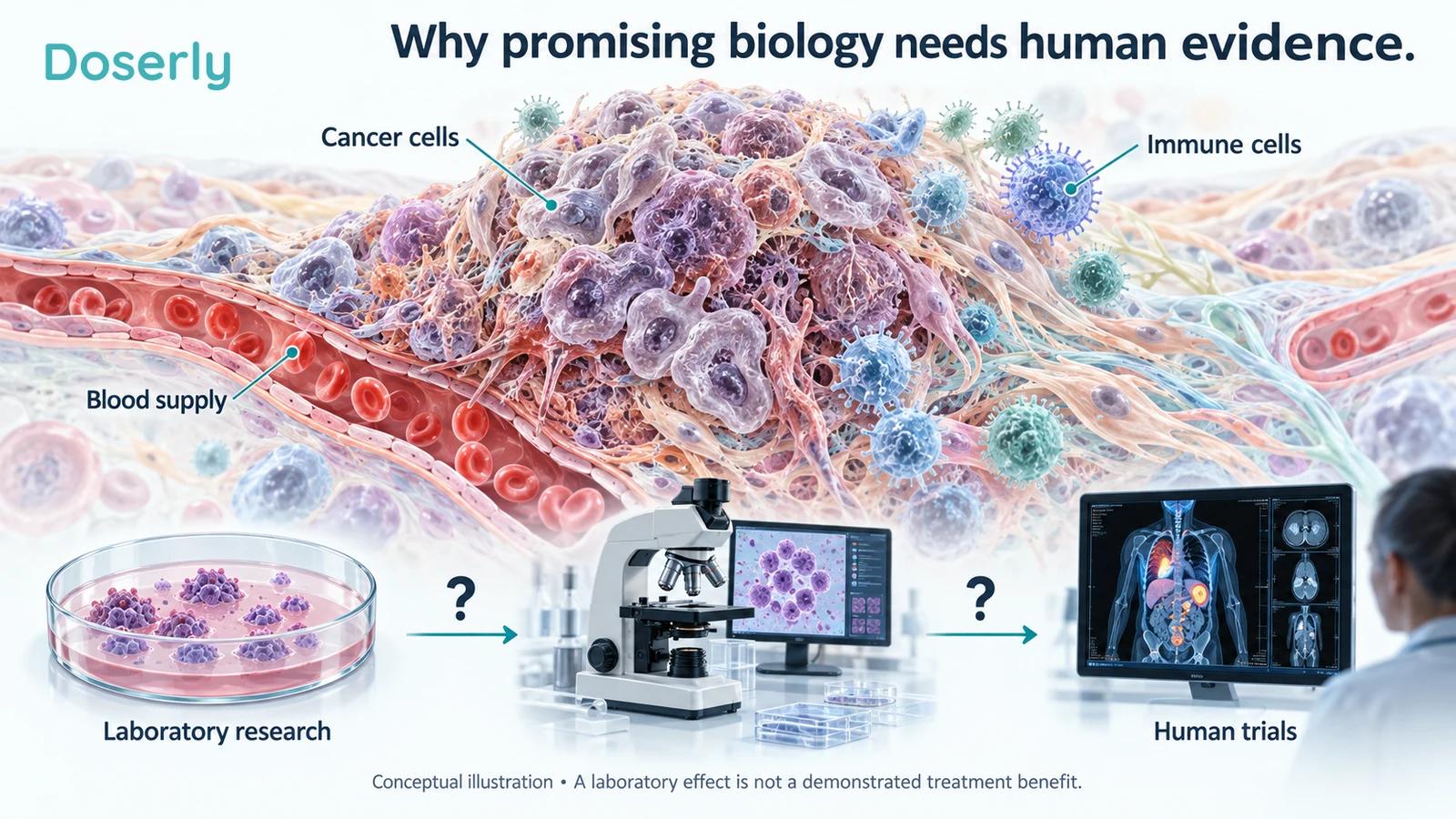
First, these are three different medicines
Ivermectin, fenbendazole and mebendazole often appear together in online discussions. Keeping their names separate prevents a surprising amount of confusion.
Ivermectin is a medicine used in humans for certain parasitic infections. It belongs to a class called macrocyclic lactones. Its established antiparasitic uses tell us that it can be a valuable medicine; they do not establish a cancer indication. The US oral Stromectol label describes treatment of intestinal strongyloidiasis and onchocerciasis, not cancer. Stromectol prescribing information
Fenbendazole is a veterinary antiparasitic in the benzimidazole family. It is not approved by the FDA for human use. Calling it an animal medicine is a statement about its development and authorization, not an argument that it cannot have interesting biology. The problem is that veterinary experience cannot supply the missing human cancer safety and effectiveness data. American Cancer Society's fenbendazole overview
Mebendazole is a related benzimidazole with human antiparasitic uses and its own cancer research. A positive mebendazole study does not become a positive fenbendazole study because the names sound similar. Related drugs can differ in absorption, metabolism, tissue exposure and adverse effects. The distinction is especially important when a headline about an ivermectin–mebendazole combination is shared as evidence for ivermectin–fenbendazole. Emverm prescribing information
The same applies to oxfendazole, another related compound that sometimes appears in discussions of metabolism and drug development. A human study of a metabolite or a related medicine cannot establish the safety of a different product at a different exposure.
For a reader, a useful first habit is simply to ask: Which exact molecule did this study test? Then ask whether it tested cells, animals or people, and whether other treatments were given at the same time.
Why researchers are interested in repurposing drugs
Drug repurposing means investigating a medicine for a different use from the one it was originally developed for. The idea is sensible. An existing compound may affect a biological process that also matters in cancer, and researchers may already know something about its manufacture and behavior in the body.
That can make a promising candidate easier to investigate. It does not remove the need to investigate it. A short course for a parasite and months of use alongside chemotherapy are different clinical situations. Someone with impaired liver function, substantial weight loss or several other medicines may handle a drug differently from a healthy volunteer.
The strongest scientific case for these particular candidates is not that cancer is secretly a worm infection. It is that drugs can have more than one biological effect. A compound developed against a parasite may also alter cell division, stress responses or signaling in a cancer model.
There is an important nuance here. Some infections, including certain parasites, do increase the risk of particular cancers. For example, some liver flukes are associated with bile duct cancer, and Schistosoma haematobium is associated with bladder cancer. That does not make an established tumor equivalent to a parasite, or mean that any deworming medicine will treat it. National Cancer Institute on infectious agents and cancer
The practical research question is narrower and more useful: can this particular drug, at a tolerable exposure, improve a meaningful outcome in this particular cancer? A broad claim about curing cancer skips over all three parts of that question.
What fenbendazole might do inside a cancer cell
One of the best-known fenbendazole papers is a 2018 study by Dogra and colleagues. It investigated human lung cancer cell lines and a mouse tumor model. The researchers reported effects involving microtubules, the p53 pathway and glucose handling, alongside reduced tumor growth in their animal experiment. These are preclinical findings, meaning findings from research before a treatment has been established in patients. Dogra et al., Scientific Reports, 2018
Microtubules are tiny structures that help organize a cell and move material around it. During cell division, they help separate duplicated chromosomes into the two new cells. Interfering with that process can make it difficult for a dividing cell to survive.
This is a credible area of cancer biology: several established chemotherapy medicines act on microtubules. But a shared cellular target does not make two drugs clinically interchangeable. The amount that reaches a tumor, the duration of exposure and the effect on healthy tissues can be very different.
The other part of the hypothesis involves how cells respond to stress. The p53 protein helps regulate responses to cellular damage. Cancer can disrupt that system in several ways, and tumors with different p53 biology may not respond alike. A finding involving p53 in one experimental model cannot be assumed to apply to every tumor with a different mutation pattern.
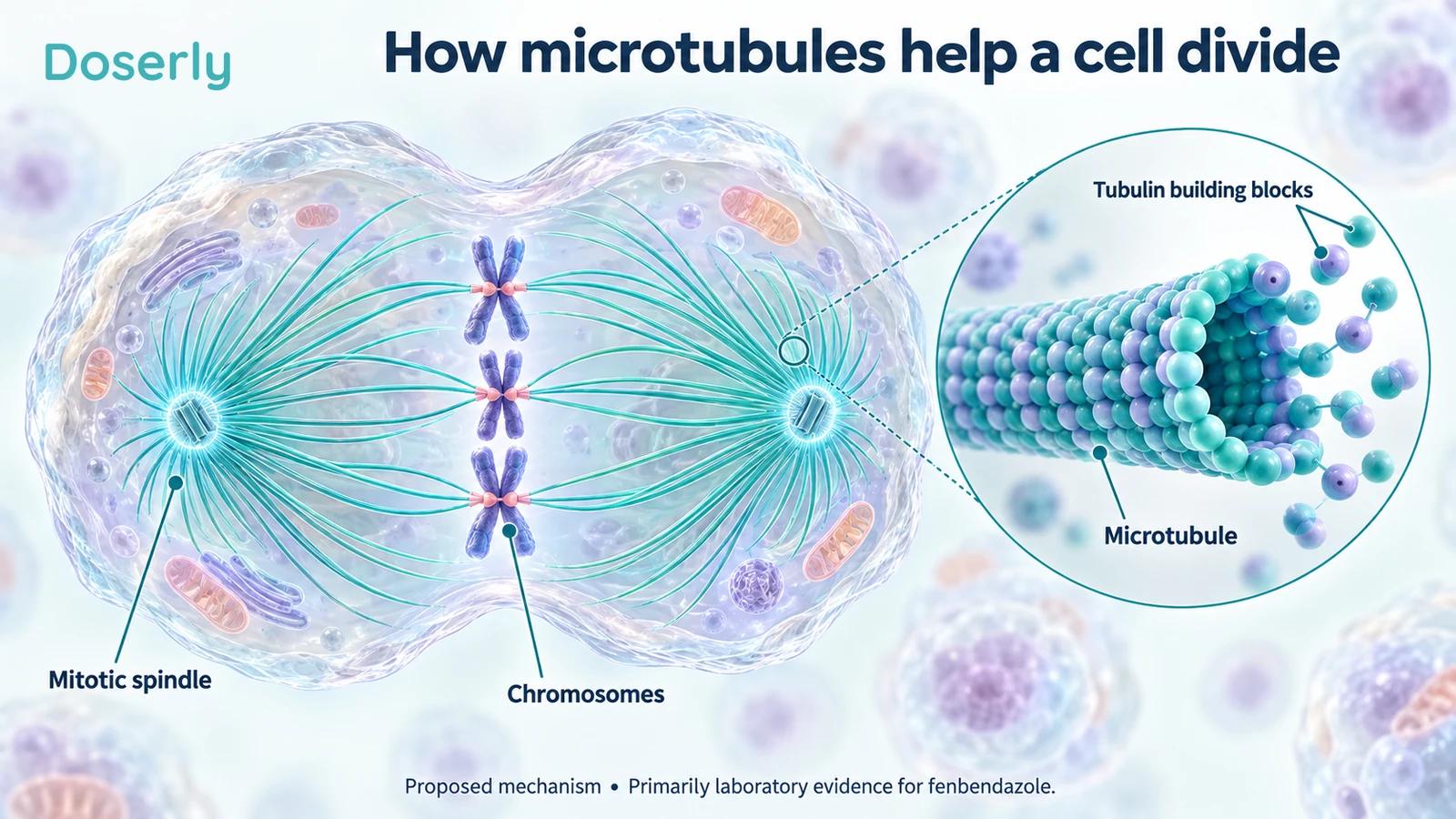
It is also worth understanding what a cell line is. Researchers can grow cells originally derived from a human cancer in a laboratory. Those are human cells, but an experiment on them is not a human treatment study. The cells are outside the patient's circulation, immune system and organs. A headline that says “human cancer cells” can therefore sound much closer to clinical evidence than it really is.
A xenograft is another common term. It usually means that tumor cells have been implanted into an animal for study. That lets researchers investigate more than a dish can show, including some aspects of drug delivery and tumor growth. It still cannot reproduce all the features of a person's cancer or predict every human adverse effect.
A negative experiment belongs in the discussion too
A 2013 study by Duan, Liu and Rockwell found that fenbendazole could be toxic to EMT6 cancer cells under laboratory conditions, but did not demonstrate useful tumor-growth inhibition or improved radiation response in the tested mouse setting. Duan et al., Anticancer Research, 2013
That does not invalidate every later positive experiment. Different tumor models, formulations and exposures can produce different results. It does show why selecting only favorable experiments gives an incomplete picture. If a drug's effect depends heavily on the model, the next task is to identify that dependence, not to describe the drug as universally effective.
For patients, the useful implication is that “it kills cancer cells” is too broad to guide treatment. Which cells? Under what conditions? What happened in the whole organism? What happened when another research group tried a different model? Those details determine how much confidence a result deserves.
What ivermectin might do: signaling, cellular stress and immunity
Ivermectin has been investigated through several proposed anticancer mechanisms. Some involve the signals that encourage a cell to grow. Others involve oxidative stress, cell death or interactions between the tumor and the immune system.
A 2010 leukemia study reported effects involving chloride movement, changes in membrane electrical potential and reactive oxygen species. The work included leukemia cells and animal experiments. It was a reason to investigate the compound further, not evidence that patients with leukemia should take it. Sharmeen et al., Blood, 2010
Reactive oxygen species are chemically reactive molecules generated in normal biology. Cells have systems for managing them. Under some conditions, increasing that stress can damage a cancer cell. However, normal tissues also need protection from excessive stress. A useful medicine must offer an acceptable balance between effects on the tumor and effects on the person.
Another line of research concerns WNT signaling, a system involved in cell behavior and important in some cancers. A 2014 experimental paper reported that ivermectin inhibited WNT–TCF responses in the models studied. This is one reason the drug appears in discussions of colorectal cancer and treatment resistance. Melotti et al., EMBO Molecular Medicine, 2014
These pathway names can make an argument sound more complete than it is. Identifying a change in WNT, AKT or another signaling system is not the same as showing that a tolerable human dose changes that pathway enough, in the right tissue, to improve survival. A drug may affect many pathways without having a useful therapeutic window.
The “cold tumor to hot tumor” idea
A particularly influential 2021 breast cancer paper proposed that ivermectin could make tumors more responsive to immune checkpoint treatment. In simplified terms, a “cold” tumor has relatively little effective immune activity against it. A “hotter” tumor is more engaged with immune cells. These are shorthand descriptions, not a complete diagnosis of how an individual tumor will behave.
The researchers reported effects involving immunogenic cell death: a form of cell damage that releases signals the immune system may recognize. Their mouse experiments investigated ivermectin with checkpoint blockade. This helped motivate further clinical investigation. Draganov et al., npj Breast Cancer, 2021
The publication record has since changed. A February 2026 correction addressed problems with figure panels. In June 2026, the journal issued an expression of concern after further image concerns, noting that original data were unavailable and advising caution. An expression of concern is not the same as a retraction, but this paper should no longer be presented without that qualification. Author correction, expression of concern
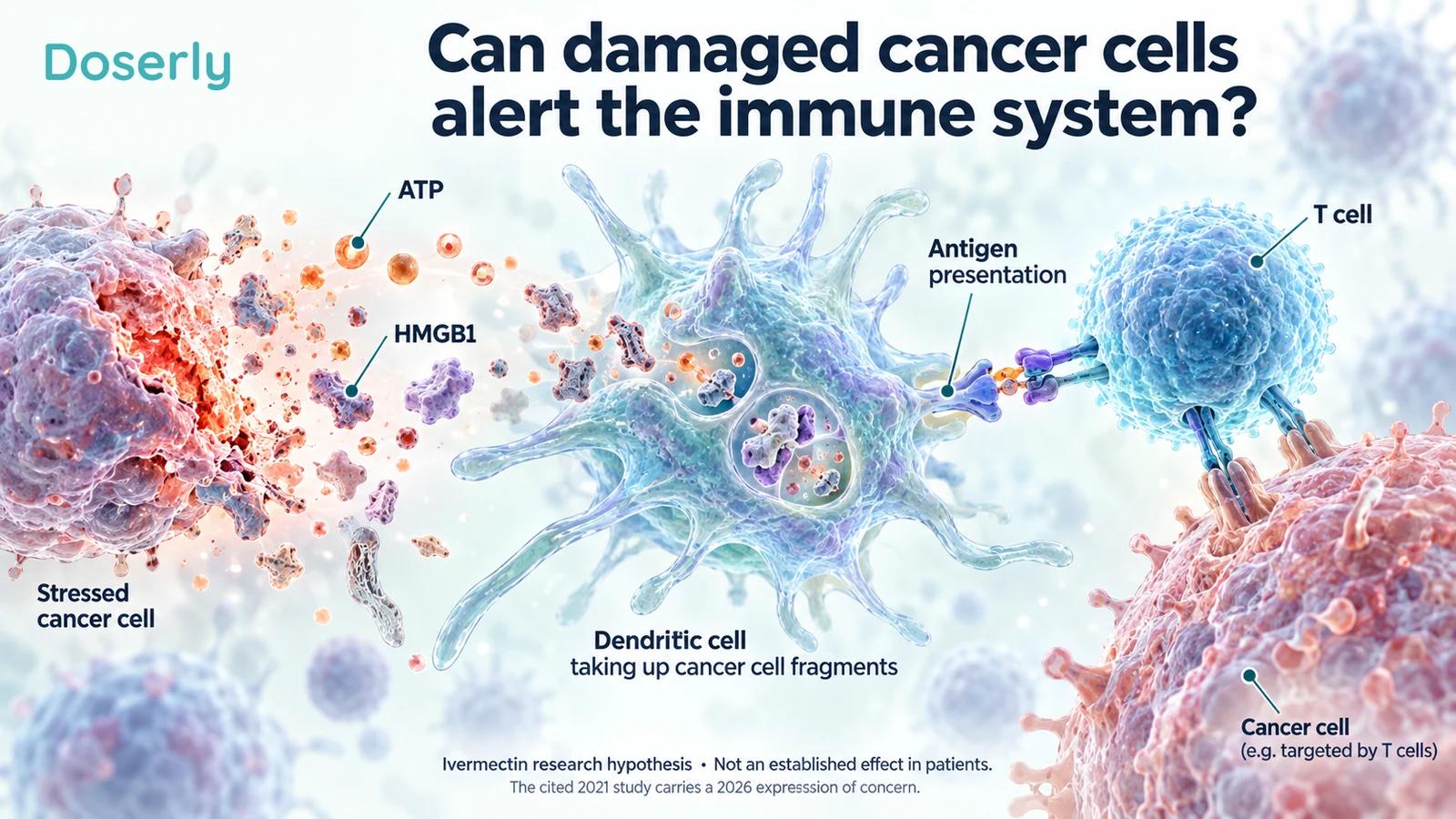
The broader question is still scientifically testable. Independent experiments and well-conducted human studies can examine whether the effect exists. What changes is the weight we place on this particular paper when explaining why the treatment might work.
For a firsthand explanation of the research rationale, Peter Lee's interview with the Cancer Prevention Initiative describes screening existing medicines for effects that might help immune treatment work. It explains why ivermectin became a candidate for investigation. This is background from the researcher associated with the same line of work, not independent replication or a report of successful human treatment. Read Lee's research interview
The missing step: getting enough drug to the right place
One of the most important differences between a dish and a person is drug exposure. In a dish, researchers can place a known concentration directly around the cells. After someone swallows a medicine, it must be absorbed, circulate, reach the relevant tissue and remain available long enough to have an effect.
Some drug binds to proteins in blood. Some is metabolized. Some may enter a tissue poorly. The concentration measured in the bloodstream is not automatically the concentration at a tumor's biological target. Pharmacokinetics is the study of what the body does to a drug, and it is central to repurposing research.
The ivermectin label reports blood concentrations after specified human doses, substantial effects of food on exposure, metabolism mainly involving CYP3A4 and an approximate plasma half-life of 18 hours. Those facts cannot be converted into a cancer regimen by comparing a tablet amount with a laboratory concentration. Stromectol clinical pharmacology

A useful question is not simply whether a laboratory concentration looks higher than a typical blood concentration. Researchers also need to understand unbound drug, exposure over time, tissue distribution and whether the laboratory effect can occur at a clinically tolerable exposure. A simple comparison can flag a problem, but it cannot settle every possibility.
Researchers have addressed this question explicitly. A 2020 paper with “clinically feasible concentrations” in its title tested 28 malignant cell lines and reported differing sensitivities, effects in selected combination experiments and reduced tumor size in mice. The authors argued for clinical testing. Despite the title, this was not a demonstration of cancer treatment at a verified effective exposure in patients. It is a favorable preclinical argument that a human pharmacology and efficacy program would need to test. Juarez et al., Cancer Chemotherapy and Pharmacology, 2020
A 2022 cervical cancer cell study raises a different concern. The investigators found that some cell-killing effects tracked with solid ivermectin aggregates in the laboratory preparation; filtering these out removed that effect. Remaining inhibition of cell growth required concentrations the authors considered above achievable human levels. This does not invalidate every ivermectin experiment. It shows why formulation, solubility and experimental controls matter when interpreting an apparent anticancer effect. Qabbus et al., Toxicology and Applied Pharmacology, 2022
Equally, the answer is not to keep increasing the dose until it resembles an experimental exposure. Toxicity may increase before the desired effect is achieved. The purpose of a dose-finding study is to investigate that relationship with defined monitoring and stopping rules.
Half-life is relevant here, too. It describes how quickly a measured drug amount or concentration falls by half under particular conditions. It does not mean that the medicine is completely gone after one or two half-lives. Repeated administration can produce overlapping exposure, and a biological effect can last longer or shorter than the plasma measurement suggests. Our half-life explainer walks through these principles with peptide examples; its individual drug estimates should not be transferred to ivermectin or fenbendazole.
Cancer type and treatment context change the question
“Cancer” includes many diseases. A result in one breast cancer model does not establish a result in pancreatic cancer, prostate cancer or leukemia. Even within a single organ, tumors can differ in mutations, receptors, immune activity and sensitivity to treatment.
A tumor also contains more than cancer cells. Blood vessels, immune cells, connective tissue and regions with different oxygen and nutrient supplies can affect what happens. Cancer cells within the same tumor may differ from one another. A treatment can affect one population while another survives. NCI's explanation of cancer biology
This helps explain why an argument based on hitting several pathways can sound attractive. If a cancer has several ways to survive, perhaps a combination can interfere with more than one. The unresolved part is whether the proposed combination actually improves the outcome at exposures a person can tolerate.
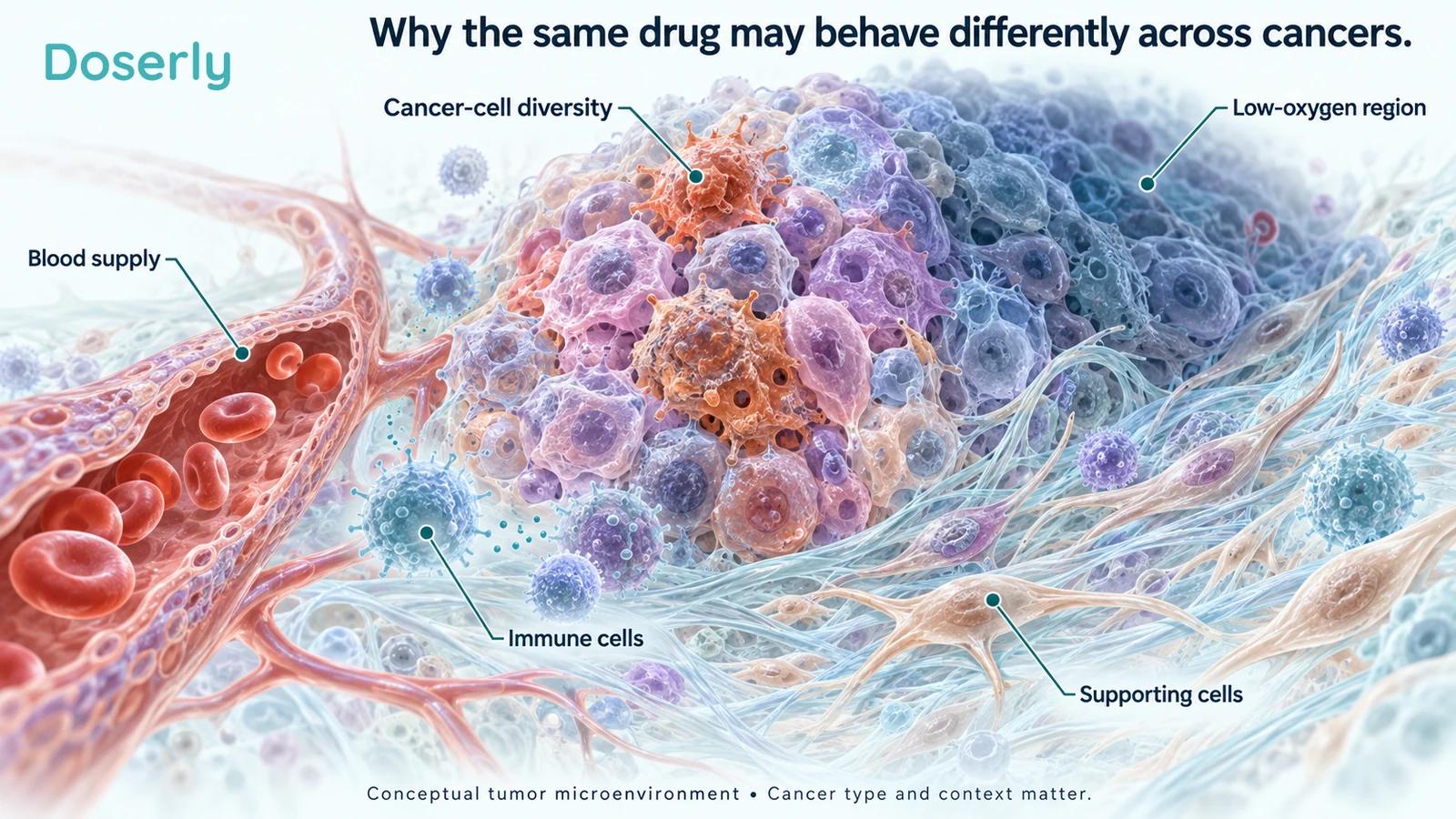
There is also a difference between investigating a medicine alone and investigating it as an addition. If a study combines ivermectin with an immunotherapy that already has activity, any improvement has to be interpreted in that context. A single-group study may show that the combination deserves a larger trial; it usually cannot tell us how much of the outcome came from the added medicine.
Treatment stage matters just as much. A study in heavily pretreated metastatic disease asks a different question from a study after surgery intended to reduce recurrence. A treatment that changes a measurable tumor over several weeks has not automatically been shown to prevent a future cancer or extend healthy lifespan.
What human ivermectin research can currently tell us
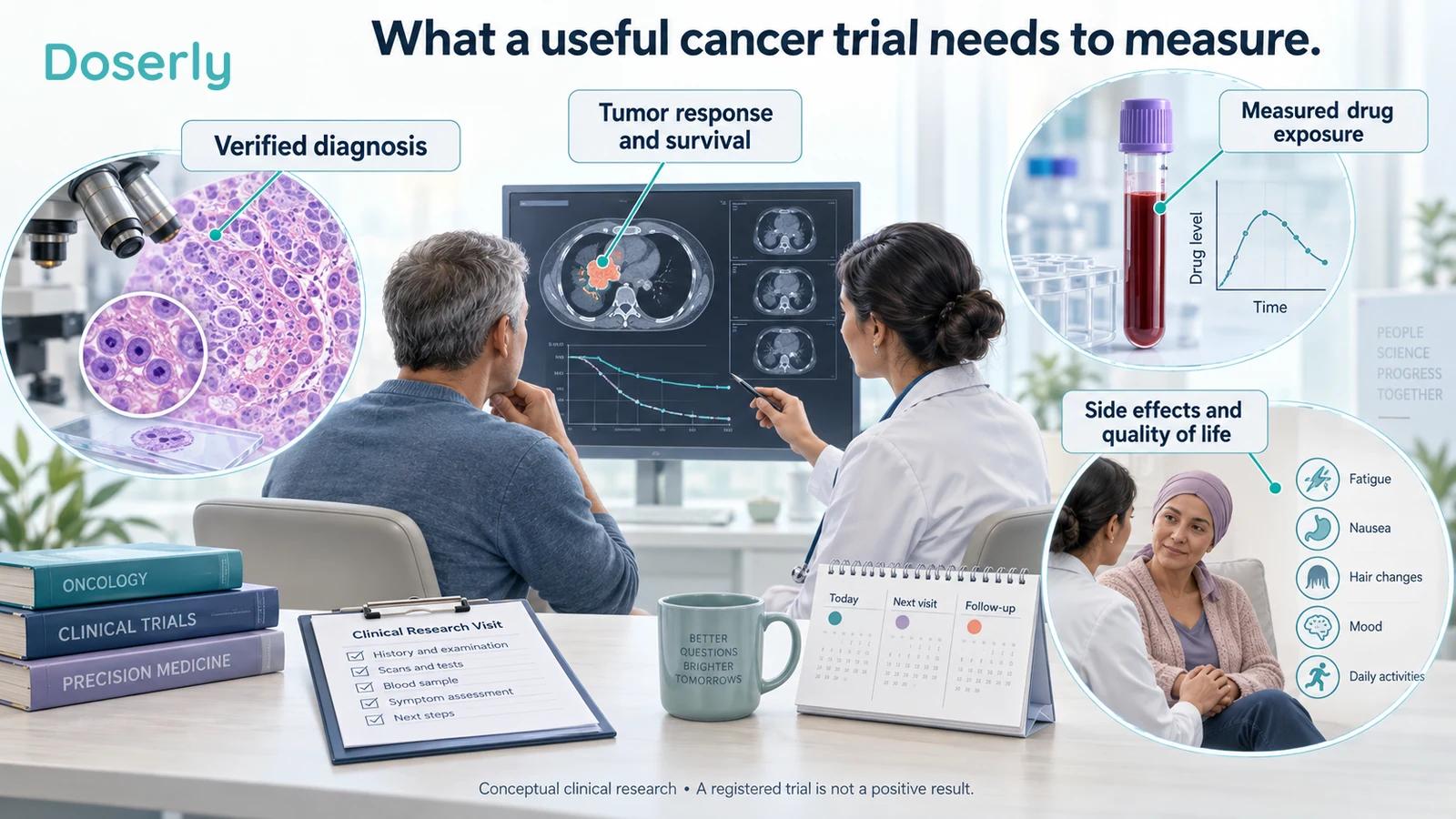
The most relevant registered interventional study identified in this review is NCT05318469, a phase 1/2 study of ivermectin with balstilimab or pembrolizumab in metastatic triple-negative breast cancer. Its record, updated August 5, 2026, lists it as recruiting, with estimated enrollment of 34 and no results posted. The design is open-label and single-group. ClinicalTrials.gov record
That is meaningful progress beyond laboratory experiments. It creates an opportunity to assess drug exposure, safety and tumor outcomes in a defined patient population. It is not a positive result. An estimated completion date is a planning field, not evidence that a study has finished or succeeded.
The NCI listing describes investigations of dose, biological effects and clinical outcomes. These are the kinds of questions that need answers before the idea can be evaluated responsibly in routine care. NCI trial description
A common misunderstanding is that trial registration means an institution has already endorsed the treatment's effectiveness. It means investigators are asking a question under a specified plan. Some trials produce encouraging results. Others find insufficient activity, unacceptable toxicity or practical difficulties reaching the intended exposure.
Small reports are human evidence, but they answer limited questions
A 2022 report by Ishiguro and colleagues described three patients treated with combinations including ivermectin, dichloroacetate, omeprazole and, in some cases, tamoxifen. The authors reported symptom improvements and some other clinical observations. Because several treatments were involved and there was no comparison group, the report cannot isolate ivermectin's contribution or establish a survival benefit. Ishiguro et al., Cureus, 2022
Symptom improvement deserves attention. Being able to walk more comfortably or experiencing less pain can matter deeply to a patient. But symptom relief, measured tumor shrinkage and longer survival are different outcomes. A paper's title may use “antitumor” or “synergistic” language even when its design cannot demonstrate an independent drug effect or formal synergy.
A 2020 letter concerning continuous high-dose ivermectin in patients with acute myelogenous leukemia is also cited in repurposing discussions. Its focus is safety experience, and the indexed record identifies it as a letter/comment. It should not be turned into a controlled leukemia efficacy trial. The full letter was not available for detailed review here, so this article does not repeat unverified treatment-duration or response claims from secondary retellings. de Castro et al., Leukemia & Lymphoma, 2020
There are also short-term pharmacology studies in healthy adults. For example, Guzzo and colleagues studied escalating ivermectin exposure in 68 healthy volunteers. Such studies help characterize tolerability under the tested conditions. They do not establish the safety of months of cancer treatment, particularly in combinations or in people with organ impairment. Guzzo et al., Journal of Clinical Pharmacology, 2002
Taken together, these sources make “there has never been any human exposure relevant to the discussion” too sweeping. They also fall far short of establishing that ivermectin treats cancer effectively.
What the human fenbendazole reports show
Human fenbendazole evidence is especially difficult to interpret because much of the discussion comes from individual stories or small uncontrolled reports. Some describe meaningful improvements. Others describe harm. Both need to be read with the treatment timeline intact.
A 2021 case series by Chiang and colleagues describes three patients with genitourinary cancers. It is worth looking at the individual histories because they contain more information than a headline about three recoveries. Read the original case series
- Kidney cancer: A man with metastatic disease had previously received surgery and several cancer medicines. Fenbendazole began around the time of a short course of nivolumab immunotherapy. Subsequent imaging improved. The authors acknowledge that nivolumab could have contributed.
- Urethral cancer: A man received brain-directed radiation, chemotherapy and immunotherapy, followed by further chemotherapy that produced a near-complete response. After a lymph node enlarged, he used fenbendazole with several supplements; the node subsequently became smaller.
- Bladder cancer: A woman received tumor resection through the urethra and combination chemotherapy while also taking fenbendazole. Follow-up imaging was favorable, and she chose surveillance rather than bladder removal.
These are encouraging reported outcomes, but none cleanly isolates fenbendazole. The paper supplies more clinical detail than an anonymous testimonial; it still cannot estimate the added benefit or predict another patient's outcome. An author's university affiliation does not make it a university-sponsored clinical trial.
The 2025 three-patient paper has been retracted
A paper by William Makis, Ilyes Baghli and Paul Martinez reported outcomes in three patients with breast cancer, prostate cancer and melanoma. It attracted attention because it described substantial responses. The publisher now labels the paper retracted. Original article and current status
The retraction statement concerns an undeclared conflict of interest involving related services offered by the first author, and the publisher's assessment of its effect on interpretation and recommendations. It should not be described as a finding that all the patients' reported experiences were fabricated. It does mean the paper should not be cited as a reliable positive efficacy study without acknowledging the retraction. Publisher's retraction statement
Even before that publication issue, three selected cases with other treatments could not establish a treatment effect. Retraction status and study design are separate considerations; both matter.
This is why searching only for the original paper title is insufficient. A video recorded before a correction or retraction may accurately describe what the paper said at the time and still give viewers an outdated impression today.
A related drug has both encouraging and disappointing human findings
Mebendazole deserves a separate look because it has more direct human cancer research than a reader might expect from the online debate. Keeping this evidence separate allows us to acknowledge promising findings without assigning them to fenbendazole.
One particularly interesting report concerns a 48-year-old man with metastatic adrenocortical cancer, a cancer arising in the outer part of the adrenal gland. After progression on previous treatments, he received mebendazole alone. The authors reported initial regression followed by stable disease during 19 months of treatment, satisfactory quality of life and no clinically significant adverse effects. The disease later progressed after 24 months. This is a meaningful account of disease control, rather than a documented cure, and it involves one patient taking mebendazole, not fenbendazole or ivermectin. Dobrosotskaya et al., Endocrine Practice, 2011
A 2022 randomized, double-blind, placebo-controlled study enrolled 40 people with metastatic colorectal cancer. Both groups received bevacizumab with FOLFOX4 chemotherapy; one also received mebendazole. The published abstract reported tumor response in 13 of 20 participants in the mebendazole group versus 2 of 20 controls at 12 weeks, and median progression-free survival of 9.25 versus 3 months. Hegazy et al., Life Sciences, 2022
That is a favorable controlled signal worth discussing. It is also a small study, and the abstract identifies retrospective trial registration. The full paper was not available in this review, limiting assessment of allocation, baseline balance and detailed outcome handling. Independent replication would be important. It does not establish benefit from mebendazole alone, from a different combination, or from fenbendazole.
In contrast, a 2021 phase 2a study investigated individualized mebendazole treatment in advanced gastrointestinal cancers. Eleven people enrolled and ten began continuous treatment. The study struggled to achieve the intended drug concentrations; all treated patients experienced progression, and enrollment stopped early because of lack of benefit. Mansoori et al., Scientific Reports, 2021
The studies differ in disease setting, accompanying treatment and design, so they are not a direct head-to-head contradiction. Together, they illustrate why the phrase “benzimidazoles work against cancer” is insufficient. The specific treatment context and delivery problem have to be resolved.
A larger randomized phase 2 study enrolled 88 people with recurrent glioblastoma, an aggressive brain cancer. It compared temozolomide plus mebendazole with lomustine plus mebendazole. Nine-month survival was 36.6% and 45%, respectively; neither group reached the study's prespecified 55% benchmark. Both groups received mebendazole, so this was not a test of adding mebendazole versus leaving it out. It provides useful human treatment experience, but it does not establish an added survival benefit. Patil et al., EClinicalMedicine, 2022
That mix of findings is why a promising case deserves follow-up without becoming a general treatment claim. The next study needs to test the right cancer, combination and exposure, with a comparison that can answer whether the repurposed drug actually helps.
Be careful with the widely shared 2026 combination survey
A 2026 report of ivermectin plus mebendazole enrolled 197 people and obtained six-month follow-up surveys from 122. Its reported “clinical benefit” category included stable disease as well as regression and no evidence of disease. These were patient-reported outcomes in a heterogeneous, uncontrolled setting, with other treatments involved. Original indexed report
The October 2026 PubMed record now identifies a retraction linked to that article. Older references to an expression of concern do not capture its latest indexed status. This review therefore does not use the report's headline percentage as an efficacy estimate. October 2026 retraction record
There is a general lesson beyond this one paper. A percentage based on follow-up respondents is not necessarily the percentage among everyone who started treatment. People missing from follow-up may have different outcomes. “Clinical benefit” is also not synonymous with tumor response, cure or additional benefit caused by the experimental drug.
How to understand the recovery stories without dismissing people
It is reasonable to be moved by someone describing an unexpected recovery. The experience may be entirely real. The harder question is what caused it.
Imagine a person who starts an experimental medicine shortly after beginning immunotherapy. Their next scan looks better. The timeline supports the statement that improvement occurred after both treatments began. It does not tell us how much came from either treatment, whether the combination mattered, or whether the same outcome would have occurred with immunotherapy alone.
The opposite conclusion would also be too confident: we cannot say the added drug definitely contributed nothing from that story alone. The honest answer is that the contribution is unknown.
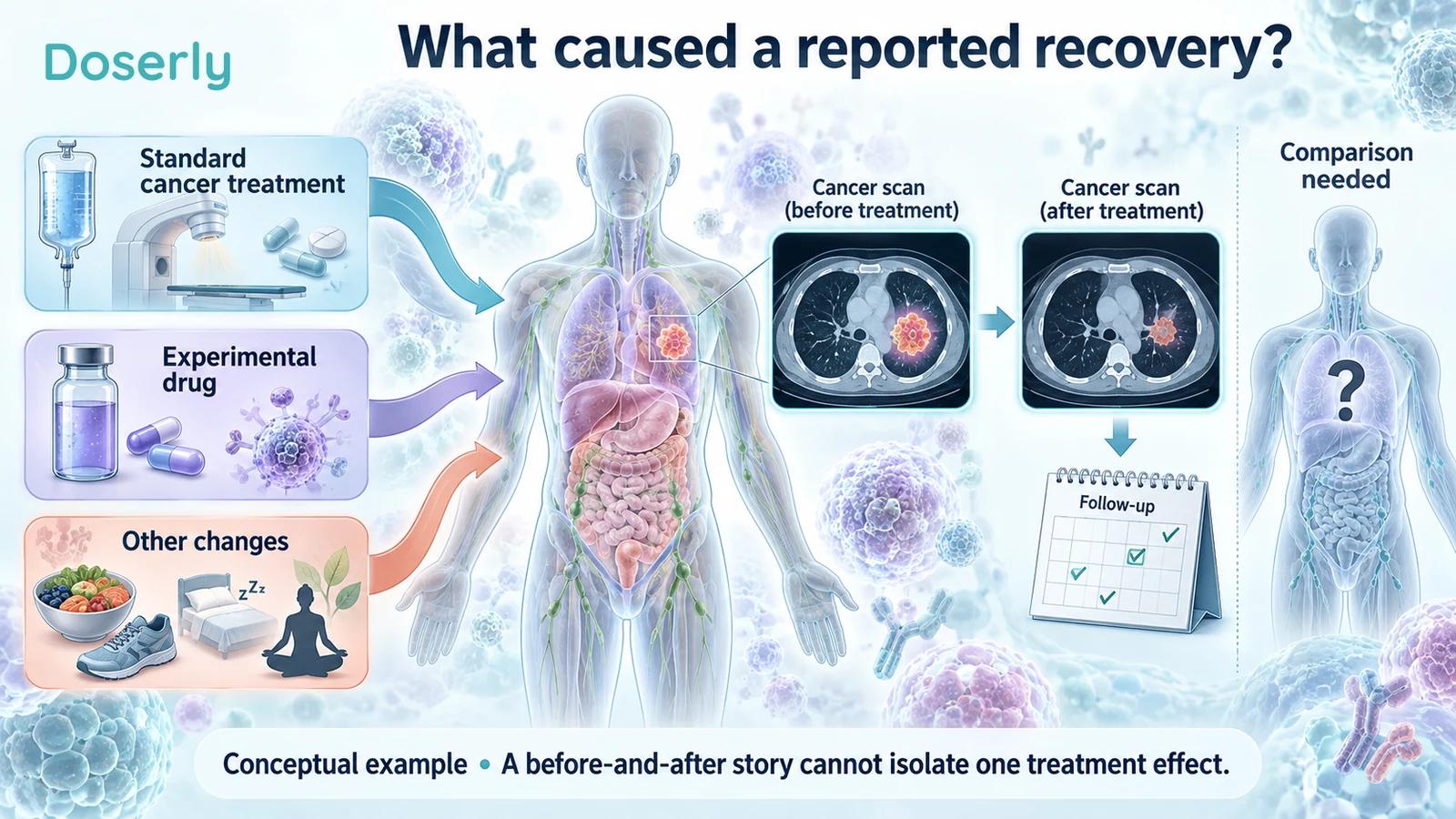
A stronger case report provides a confirmed diagnosis, dates, pathology, scan reports, all concurrent treatments, the reason each treatment changed, adverse effects and adequate follow-up. Independent review makes the account easier to assess. It still lacks the comparison that a controlled study can provide.
Another problem is the missing denominator. If ten compelling stories are shared, how many people tried the treatment without improving? How many stopped because of adverse effects? How many died before they could provide an update? Without that information, the stories cannot supply a response rate.
Repeated appearances do not necessarily represent independent evidence. The same person's story can circulate through a podcast, an X post, a newsletter and a case-series discussion. Four links may still describe one patient.
This is not a reason to be cold toward patients or families. It is a reason to protect them from having their experience turned into a promise for someone else. A story can be worth investigating while remaining unable to predict another person's outcome.
Reported remissions and recoveries: a closer look at the original accounts
There are accounts worth reading beyond the best-known podcast clips. Some appear in medical journals, some are told by clinicians, and others come directly from patients or families. Their value depends on the detail they provide. A named source and a clear treatment timeline help; neither makes the cause of a recovery certain.
The examples below describe what the source reports. They are not independently verified cures or a count of people successfully treated by either drug. They also should not be added together into a success rate: the patients were selected in different ways, and the number of people who tried similar approaches without improving is unknown.
Kathleen Ruddy's accounts: three different kinds of improvement
In a May 2024 interview, breast surgeon Kathleen Ruddy describes three patients whose experiences led her to investigate ivermectin. The distinctions between their stories matter. Ruddy's original interview and transcript
- Metastatic prostate cancer: Ruddy reports a large PSA reduction and improved functioning after ivermectin in a man previously treated with radiation, chemotherapy and hormone suppression. Bone lesions remained at the early assessment; later, some reportedly disappeared while others stayed stable. A falling PSA is encouraging, but it is not the same as all cancer disappearing.
- Esophageal cancer: She describes an older man who declined chemotherapy and radiation, then reportedly regained weight and swallowing ability and had a later scan without visible tumors after ivermectin. This is a striking account, but the interview does not provide independently assessable pathology and imaging records.
- A pelvic tumor with reported liver spread: Surgery removed the large pelvic mass before ivermectin. A later liver ultrasound was reportedly clear. This cannot be described as ivermectin making the original tumor operable.
These are clinician-reported anecdotes, not prospectively collected trial results. Their different timelines should remain attached when the stories are shared.
A family account on City of Hope's fundraising platform
A fundraising page supporting Peter Lee's research tells Jacquie's story of metastatic triple-negative breast cancer. Her family reports survival exceeding three years after an initially very short prognosis. They describe an antibody-drug conjugate, a cancer medicine that delivers a drug through an antibody, and the addition of ivermectin. They believe ivermectin helped. Read the family's account
The page reports longer-than-expected survival, not a documented cure. It is a family fundraising account hosted on a hospital platform, not a clinical trial result or proof that the hospital has established ivermectin's effectiveness. The antibody-drug conjugate is an essential part of the treatment history. The account also cites the 2021 laboratory work discussed above, whose publication concerns still apply.
A Reddit account of no evidence of disease after several treatments
In a public pancreatic cancer thread, a caregiver reports that her husband's PET scan showed no evidence of disease after approximately a year of treatment. The account lists chemotherapy, a NanoKnife procedure, ivermectin, fenbendazole and other additions. In the discussion, she explicitly says she cannot attribute the outcome to just one intervention. Read the original post and follow-up discussion
That is an important detail to preserve. This is a hopeful, firsthand family account of a scan result after multiple treatments. It is not evidence of an ivermectin-only or fenbendazole-only remission, and the public thread does not provide a complete medical record or establish lasting cure. The treatment amounts in a forum post should not be treated as a regimen validated for another patient.
Forums can be especially useful for understanding the practical experience of cancer: uncertainty between scans, difficulty tolerating treatment, finding another clinical opinion and the relief of good news. Their role is different from a study designed to measure benefit and harm.
A Substack story whose full text changes the headline
The Ben Fen newsletter maintains an archive of patient accounts. One describes a 66-year-old man with inoperable metastatic esophageal cancer who reported no evidence of disease after taking fenbendazole and several other substances. Although its subtitle says there was no chemotherapy or radiation, the patient's own account names fluorouracil and Herzuma as treatment he received. Read the original account
Herzuma is a brand of trastuzumab, a targeted cancer medicine. Treatment described as palliative can still shrink cancer and extend life; “not expected to cure” does not mean “incapable of producing a response.” The story is therefore not a clean example of fenbendazole alone eliminating cancer. It reports a favorable outcome with an incomplete treatment timeline and several possible contributors. NCI on trastuzumab, NCI on advanced esophageal cancer treatment
The newsletter's case-report archive can provide leads for investigation. Its cure language is the publisher's interpretation, not a conclusion established by an independently reviewed patient registry. A collection of selected stories cannot tell readers the probability of benefit, the frequency of harm or how many accounts describe the same person.
What about an inoperable cancer becoming operable?
This is a particularly meaningful outcome to investigate. If treatment allows a surgeon to remove a tumor that previously could not be removed, it may change the patient's options substantially. But becoming eligible for surgery, completing surgery and being cured are three different claims.
A May 2026 Makis newsletter headline reports that a woman with pancreatic cancer became operable after three months involving ivermectin and fenbendazole. The publicly available headline does not supply the complete treatment history, serial scans, surgical assessment or confirmation that an operation occurred. It can be cited as a reported claim of improved operability, but not as a verified drug effect. Makis's reported operability account
For pancreatic cancer, surgical eligibility depends on factors including involvement of nearby blood vessels, distant spread and whether the person can tolerate an operation. Established treatment before surgery can also change resectability in selected patients. A smaller tumor measurement alone does not settle the question. NCI on pancreatic cancer stages and resectability, NCI pancreatic cancer treatment summary
The most useful documentation would show what initially prevented surgery, every treatment given, what changed on imaging and the surgeon's reassessment. If surgery occurred, the operation and pathology reports would clarify what was removed and whether cancer remained at the margins. These details can make an exceptional case much more informative without pretending that one case establishes causation.
None of the accounts above establishes how often ivermectin or fenbendazole makes an otherwise inoperable cancer operable. That remains a question for structured clinical research, not something that can be calculated from selected headlines.
Joe Rogan, William Makis and other video perspectives
Popular interviews can explain why an idea interests people and make complicated biology easier to follow. It helps to distinguish the speaker's proposed mechanism, their interpretation of published evidence and any patient outcomes they describe. Each calls for a different kind of supporting evidence.
Joe Rogan Experience #2254 with Mel Gibson
In the January 9, 2025 episode, around 1:37:30, Gibson describes three friends with stage IV cancer who he says no longer had cancer. The conversation connects their stories with ivermectin, fenbendazole and other substances. It does not supply the medical records, complete treatment histories or follow-up needed to determine what produced those outcomes. Watch the original episode near the discussion
Gibson's account is an anecdote about acquaintances, not a doctor's report or a trial. Its reach helps explain why patients bring these medicines into oncology appointments, but the size of the audience does not resolve the missing clinical details.
DTV episode 162, October 6, 2026, with William Makis
In this roughly 85-minute episode, Makis describes clinical experiences and argues for repurposed drugs, including combinations with conventional treatment. He also acknowledges nonresponders and says patients should remain engaged with their oncology teams. His practice-based estimates are not accompanied by an independently assessed dataset that would make them reliable response rates. DTV episode 162
A useful detail within the same episode is cohost Todd Pitner's account of prostate cancer: he describes taking ivermectin and later undergoing prostate surgery. That account cannot establish that ivermectin caused his reported cancer-free status. Including the surgery preserves an essential part of the story.
John Campbell's interview with Makis
“Repurposed drugs for cancers,” hosted by John Campbell, is another long-form discussion with Makis. Readers interested in his advocacy can watch the original interview alongside the study and publication-status discussion above. A speaker's interpretation should be checked against the particular drug, cancer type and study being cited. Watch Campbell and Makis
Talking Cancer with Dr. Roman
The channel's “Ivermectin to Treat Cancer? Get the FACTS” and “Fenbendazole and Cancer: Evidence, Myths & Risks!” are further viewing on the two drugs separately. Keeping them separate is helpful: a finding about ivermectin's immune effects cannot automatically support a claim about fenbendazole's effects on microtubules. Ivermectin video, fenbendazole video
Paul Anderson and Micah Yu: following the references behind a video
Naturopathic doctor Paul Anderson's video on antiparasitic drugs and cancer has chapters covering repurposing, proposed roles, combinations, risks and future research. It offers a way to explore the clinical reasoning behind interest in these medicines. A discussion of possible uses is different from a study showing that those uses improve outcomes. Watch Anderson's explainer
Rheumatologist Micah Yu's MYAutoimmuneMD video, “The Anticancer Potential of Ivermectin and Fenbendazole,” covers both compounds and links to a review of ivermectin's proposed anticancer mechanisms. A review can be a useful map to experiments worth reading. It is not itself a trial of the treatment in patients. For any promising result, follow the reference far enough to find out whether it came from cells, animals or people. Watch Yu's video
Jay Chaplin: the exposure and timing questions
Cancer researcher Jay Chaplin's September 2026 discussion examines fenbendazole, ivermectin and metabolic cancer claims. Its accompanying written article emphasizes two practical questions: whether an experimental drug concentration is achievable in a person, and whether an improvement attributed to a new addition could reflect earlier cancer treatment. These are useful questions even when readers disagree with an interviewer's overall conclusions. Watch the discussion, read the accompanying explanation
Together, these perspectives make the discussion more useful than a list of doctors who support or oppose a drug. The question is what each source adds: a testable mechanism, a well-documented outcome, a practical safety issue or simply another retelling of the same story.
Makis Medicine on X and other social accounts
Makis Medicine shares individual treatment stories and commentary. These can identify claims worth investigating, but a social post is not an independently reviewed patient record. Selected success stories cannot establish how often a treatment helps or harms. We also cannot assume an account describes a different patient from one previously discussed elsewhere. Makis Medicine on X
The relevant distinction is the source's role. An interview can explain an advocate's reasoning. A patient account can describe an experience. A study can test a defined question. None becomes the other simply because it is shared by a doctor or reaches a large audience.
Paul Marik and Pierre Kory: books, guides and the underlying arguments
Paul Marik's Cancer Care monograph assembles research on repurposed drugs, nutrition and metabolic approaches. The ivermectin and benzimidazole sections cite laboratory work, small human reports and proposed combinations. The October 2024 edition gives these agents strong recommendations while acknowledging limited clinical evidence. Marik's Cancer Care resource page and free monograph
The useful contribution is that it makes the rationale explicit: target growth signals, metabolism, treatment resistance and the tumor environment using existing compounds. The important question is whether the strength of a recommendation matches the strength of the human evidence. A long reference list can contain many studies without containing a trial that answers the patient's actual question.
The linked July 24, 2026 guide is particularly important to read closely. It states that some rankings were generated using AI, that head-to-head studies have not been conducted and that the analyses are not fully transparent. Its ranked lists should therefore not be mistaken for clinical comparisons showing that one medicine is safer or more effective than another. Marik's updated guide
An AI-generated ordering of drugs cannot measure a patient's response, establish a treatment's safety or replace a reproducible evidence assessment. It may organize hypotheses, but the underlying studies still determine what can reasonably be concluded.
Pierre Kory's The War on Ivermectin, written with Jenna McCarthy, is relevant to the broader advocacy surrounding the drug. The publisher describes a book centered on Kory's experiences and arguments about COVID-era medicine and institutions. That subject is distinct from demonstrating effectiveness in cancer, and the book's existence should not be treated as proof that a successful cancer treatment has been suppressed. Publisher's book page
Questions about incentives, access and the funding of generic-drug research are legitimate. They do not answer whether a particular treatment works. A financial incentive can influence what gets studied, but neither a drug's low price nor a dispute with an institution supplies the missing clinical outcome data.
The same standard applies to everyone in this discussion. Academic researchers, pharmaceutical companies, supplement sellers and clinicians offering consultations should disclose relevant interests. A conflict does not automatically make a finding false, but readers need to know about it, and independent confirmation remains valuable.
Which online summaries are most useful?
For an accessible overview of the clinical evidence and safety questions, the American Cancer Society has separate explainers on ivermectin and fenbendazole. Their role is to summarize what is established for patients, rather than collect exceptional recovery stories. For an individual claim, the original paper or patient account is still the better place to check the details.
Radiation oncologist Brian Lawenda's April 2026 Substack essay offers another useful perspective. He acknowledges the preclinical rationale, separates the drugs and argues for transparent discussion with patients considering experimental additions. He is open to selected, monitored investigational use while explicitly rejecting replacement of established cancer treatment. This is a clinician's judgment about handling uncertainty, not new proof of benefit. Read Lawenda's evidence discussion
That position is more permissive than the 2026 ASCO discussion advising against use outside clinical trials. The disagreement concerns what to do while evidence is incomplete; it does not mean either source has a large, definitive positive trial unavailable to the other.
Patient-story archives answer a different question: what experiences have people chosen to share? They can point researchers toward exceptional responders and help families feel less alone. To become an outcomes registry, a collection would need consistent eligibility criteria, verified diagnoses and treatments, defined endpoints, adverse-event reporting and follow-up of everyone enrolled, including people who did not improve.
For now, the most useful approach is to read these sources together: an evidence summary for context, original studies for the measured findings, and patient accounts for experiences and questions worth investigating. Counting links or testimonials cannot substitute for counting independently verified patients with complete follow-up.
Does the metabolic explanation make these combinations more convincing?
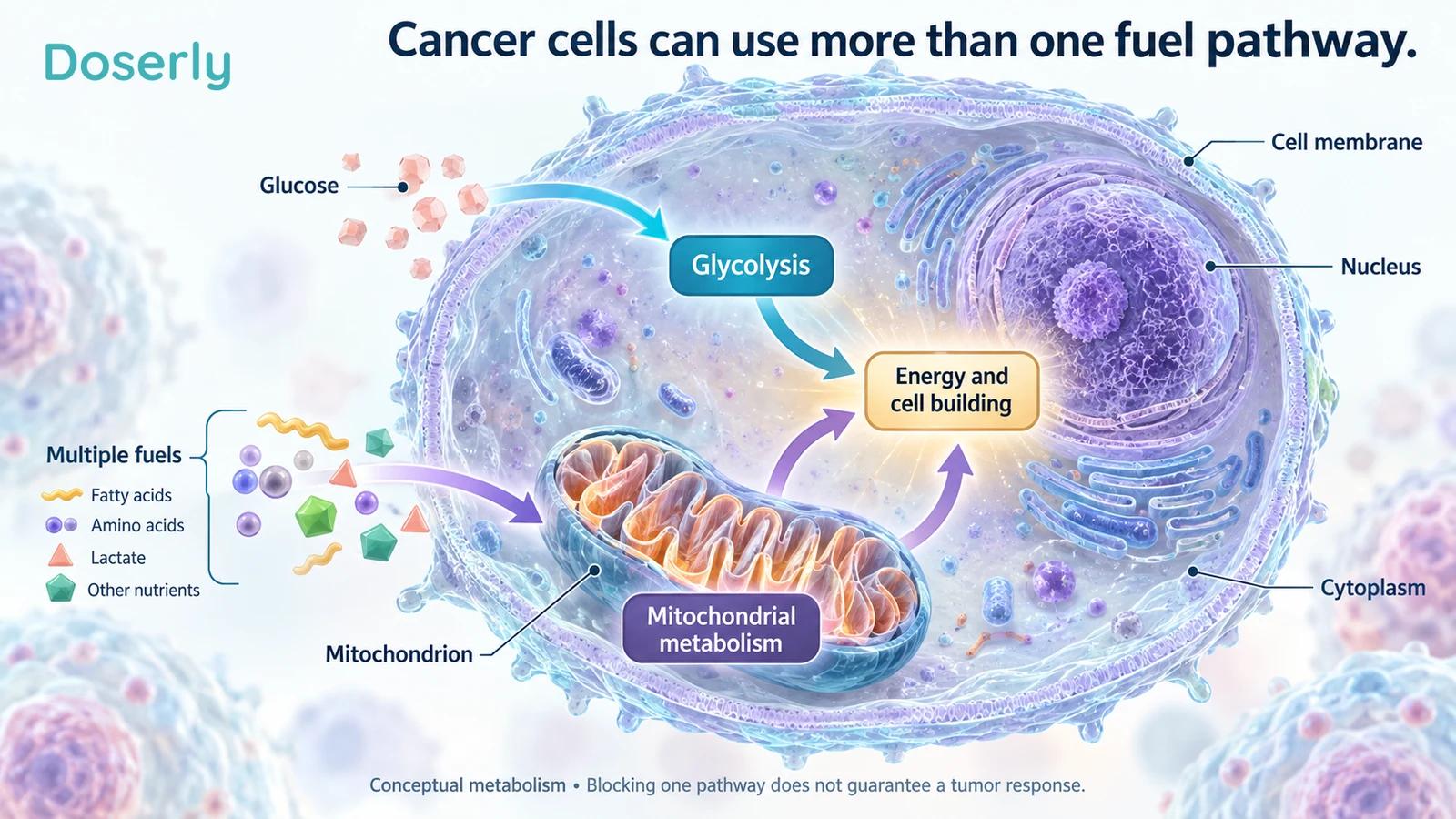
Cancer metabolism is a real and active research field. Cancer cells need energy and the raw materials to build new cells. Changes in glucose use, mitochondrial activity and other metabolic processes can create possible treatment targets.
The oversimplification is to treat all cancers as though they depend on one fuel and can be reliably starved by one dietary change or medicine. Cancer cells can differ in what they use, and their behavior can change with their environment. Normal tissues also depend on many of the same nutrients and metabolic pathways.
Thomas Seyfried's interview with The Moss Report explores glucose, glutamine and antiparasitic drugs from a metabolic perspective. One paper linked with the episode tested a calorie-restricted ketogenic diet with the glutamine-targeting compound DON in mouse glioblastoma models and reported favorable results. That supports studying a specific metabolic strategy. It does not establish that ivermectin or fenbendazole reproduces the same effects, or that the strategy cures human glioblastoma. DON is a different compound, and the experimental subjects were mice. Watch Seyfried's interview, read the primary 2019 experiment
A mechanistic paper can help explain why a combination might be worth testing. It cannot establish that combining several proposed metabolic effects produces a favorable net outcome in a person. Some effects may overlap; others may oppose each other or increase toxicity. The relevant question is what the complete combination does, not how impressive each individual pathway diagram looks.
A June 2026 study illustrates both the interest and the limitations. Researchers combined ivermectin with recombinant methioninase, an enzyme that breaks down the amino acid methionine, in HCT116 colon cancer cells. They reported a larger effect on their cell-viability comparison measure than with four of five chemotherapy–methioninase combinations. This was a 72-hour experiment in one cell line, not a trial comparing cancer treatments in patients. The researchers also identified the single-cell-line design as a limitation. Kim et al., Frontiers in Oncology, 2026
The result supports further investigation of that specific combination. It does not show that ivermectin outperforms chemotherapy in people, that dietary methionine restriction produces the same exposure as the enzyme experiment, or that a person should replace a prescribed regimen. Those would be new claims requiring new evidence.
This matters particularly when a person is losing weight or muscle during treatment. An aggressive dietary restriction is not automatically helpful because it is described as metabolic therapy. Nutrition needs should be assessed in the context of the cancer, symptoms and treatment. Maintaining strength and adequate intake can be an important part of care. NCI on nutrition in cancer care
There is also a difference between cancer prevention and treatment. A behavior associated with lower future cancer risk does not necessarily shrink an existing tumor. Similarly, improving a general metabolic marker does not demonstrate that a cancer therapy is working. Those are related health questions with different endpoints.
Safety: what “well tolerated” leaves out
Ivermectin has extensive human use for approved indications. That is relevant and should be acknowledged. It does not make every exposure, duration or combination safe. Its prescribing information includes neurological adverse reactions and other risks, and rare reports of increased INR with warfarin. A pharmacist needs the complete medicine list to assess interactions. Stromectol safety information
Fenbendazole presents an additional problem: there is no established human cancer dosing and safety framework. Veterinary product quality for an approved animal use does not establish suitability for a person, and a product marketed online as a research chemical does not resolve that uncertainty.
Liver injury has been reported in people taking fenbendazole
A 2021 case report described liver injury in a woman with lung cancer who had been receiving pembrolizumab and self-administered fenbendazole. Liver abnormalities improved after it was stopped, and the report did not identify tumor shrinkage attributable to fenbendazole. Yamaguchi et al., Case Reports in Oncology, 2021
A 2024 report described severe hepatocellular liver injury with biopsy findings in a person who had taken fenbendazole. Recovery followed discontinuation. A case report cannot tell us how common an adverse event is, but it can establish a clinically important warning signal. Severe fenbendazole-associated liver injury report
A further 2026 report examined the challenge of distinguishing fenbendazole-associated injury from immune-related hepatitis in a patient receiving pembrolizumab. This matters because attributing the problem to the wrong drug can change cancer treatment unnecessarily. 2026 liver-injury report

An abnormal liver test should not be casually explained away as a sign that a tumor is being destroyed. There are several possible causes, including drug injury, infection, obstruction, cancer involvement and immune-related complications. The distinction requires clinical assessment.
Yellowing of the eyes or skin, dark urine, severe abdominal symptoms, new confusion, trouble walking or marked drowsiness warrant prompt medical advice; severe or rapidly worsening symptoms warrant urgent care. Bring the actual product names, packaging and a record of what was taken. These details can help a clinician identify a cause more quickly.
Combining products creates a separate safety question
A list of individually familiar medicines is not the same as a tested combination. Drugs and supplements can affect enzymes and transporters that determine exposure to other treatments. They may also share effects on the liver, blood pressure, bleeding or the nervous system. NCI specifically advises discussing supplements and complementary products because they can alter cancer-drug handling and effects. NCI on cancer-treatment interactions
Monitoring can sometimes detect a problem earlier. It does not turn an unproven treatment into a proven one, and it does not guarantee that harm will be reversible. The absence of a side effect in a handful of anecdotes is not enough to establish a low risk.
What counts as a meaningful cancer outcome?
The words used in an interview or headline can change how impressive a result sounds. Understanding a few terms makes the evidence easier to read.
Response usually refers to a defined reduction in measurable disease. Complete response means the detectable signs assessed under the criteria have disappeared. That is not automatically a permanent cure. Stable disease means the measurements have not met the defined thresholds for sufficient shrinkage or progression during the assessment interval. NCI definitions of response, complete response, stable disease
Progression-free survival concerns time without the cancer worsening, with death also counted as an event under standard trial definitions. Overall survival concerns how long people remain alive. Quality of life concerns how they feel and function. A useful treatment may affect these outcomes differently. NCI on progression-free survival, overall survival
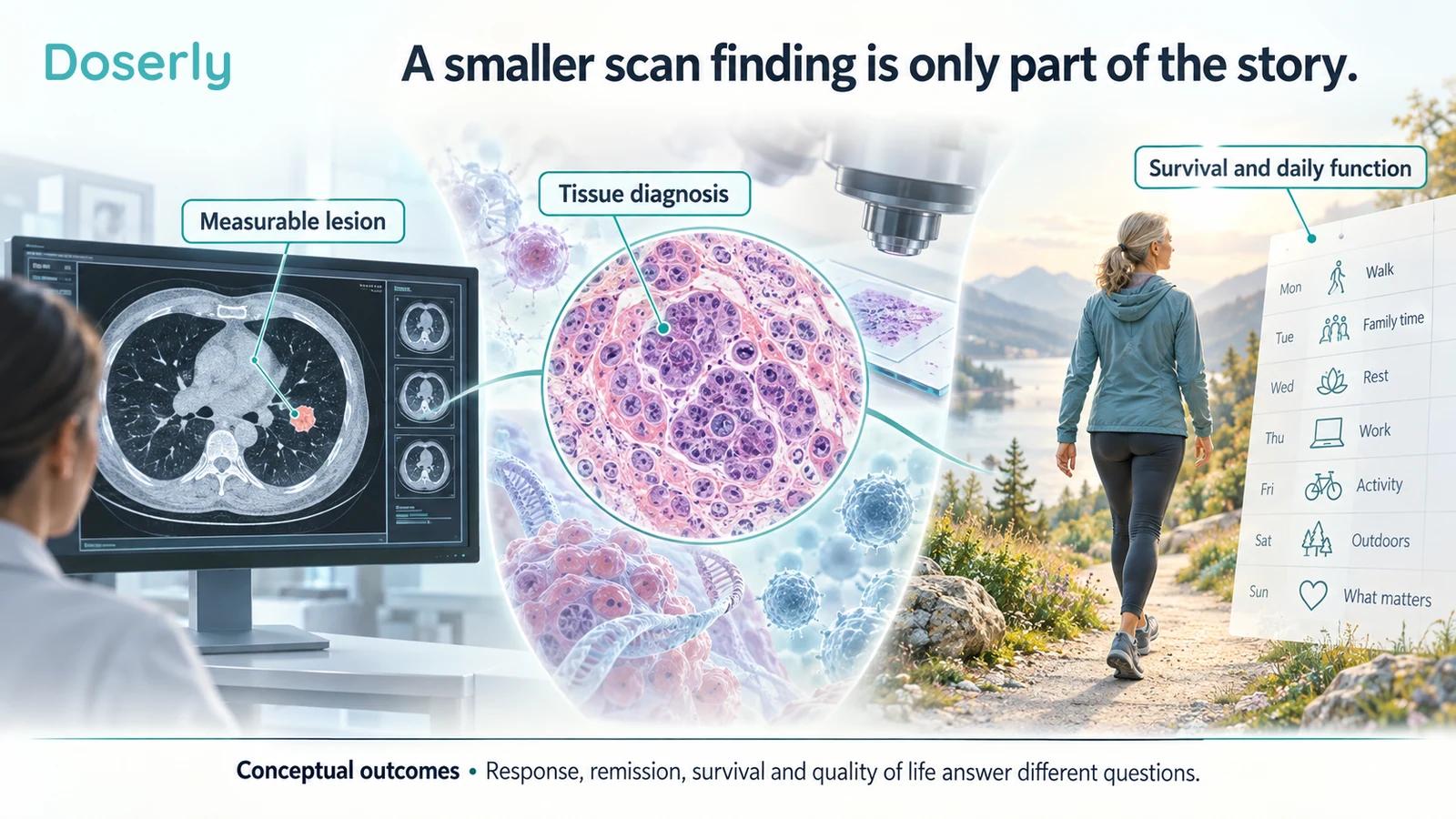
A smaller finding on one scan may be encouraging, but several questions remain. Was it measured consistently? Were other lesions assessed? Was the change sustained? Did the person need to stop treatment because of toxicity? Did they live longer or feel better?
Likewise, a falling tumor marker can be useful in a particular disease context without being sufficient proof of benefit on its own. Interpretation depends on the marker, the cancer and the other clinical findings. A testimonial that provides only one laboratory value leaves much of the story unresolved.
For people facing cancer, these distinctions are not academic. They help prevent a temporary change from being presented as a guaranteed cure, and they keep daily wellbeing visible alongside scan results.
Where PNC-28 and other peptide research fit
PNC-28 is relevant as an example of another experimental anticancer approach, not as a proven companion treatment. It is a synthetic peptide studied for effects involving cancer-cell membranes. A 2006 paper reported inhibition of pancreatic tumor growth in a mouse model. That is preclinical research, not a demonstrated human treatment benefit. PNC-28 animal study
Our PNC-28 guide explains the proposed biology and the limits of the available evidence. The related PNC-27 guide covers a different peptide; the two names should not be treated as interchangeable. Neither guide supplies evidence that combining these peptides with ivermectin or fenbendazole improves cancer outcomes.

Prostamax is a different example. Its name and prostate-focused marketing can make it sound relevant to prostate cancer, but prostate-related symptoms, benign enlargement and malignancy are not interchangeable conditions. Our Prostamax guide describes the limited evidence and why a raised PSA or urinary symptoms need proper assessment. This review found no strong basis for presenting it as a cancer treatment or an antiparasitic combination partner.
The connection worth making is methodological: early biological activity needs human investigation before it can support a treatment claim. Combining several compounds with uncertain individual effects does not make the overall evidence stronger. It creates more uncertainty about both benefit and harm.
What would make the evidence more convincing?
For ivermectin, a useful next step is complete reporting from the ongoing clinical work: who enrolled, what exposure was achieved, what adverse effects occurred and how the tumors behaved. If there is a credible signal, a suitable comparative study would help establish whether adding the drug improves outcomes over the relevant standard treatment.
For fenbendazole, basic human pharmacology and safety questions remain important before broad claims about effectiveness can be evaluated responsibly. A compelling case report can suggest a direction, but it cannot substitute for a development program.
Across both drugs, stronger studies would have several features:
- A clearly defined cancer type, stage and prior-treatment history.
- A prospectively registered plan with outcomes specified before results are known.
- A complete account of everyone enrolled, including withdrawals and missing follow-up.
- Confirmed diagnoses and independently assessed outcomes where feasible.
- A comparison that can distinguish the experimental drug's contribution.
- Transparent adverse-event reporting, conflicts of interest and accessible methods.
- Enough follow-up to assess durability, survival and quality of life.
None of these features guarantees a positive result. They make a result more interpretable. They also protect a genuinely useful treatment from being judged only through enthusiastic anecdotes or poorly designed studies.
Public funding announcements are another example of information that needs careful interpretation. Funding a repurposing project shows that someone considers a question worth investigating. It is not evidence that the treatment has already worked. Budgets for an entire cancer-research program should not be described as money devoted to one drug unless the award documents actually say so.
A useful conversation with your oncology team
You should be able to ask about these drugs without being dismissed. A good discussion can acknowledge both the wish to explore every reasonable option and the uncertainty in the evidence.
Bring the specific study or episode that interested you, rather than only its headline. Ask what it tells us about your cancer type and current treatment. If a clinician says the evidence is insufficient, it is reasonable to ask which missing result would change that assessment.
Useful questions include:
- Does this study involve people with my diagnosis and treatment history?
- What benefit is already expected from my current treatment, and over what time frame?
- Is there a clinical trial I might qualify for, including trials unrelated to these drugs?
- Could a proposed medicine or supplement interact with my treatment or affect eligibility?
- How would we distinguish disease progression, treatment toxicity and an unrelated problem?
- What symptoms should prompt a call, and who should I contact after hours?
- What can we do now to improve pain, appetite, sleep, strength and daily function?

If you have already taken an experimental product, tell the team what it was and when you took it. The purpose is to make your care safer, not to judge you. Keeping an accurate medication and symptom record is useful, but a tracking app cannot determine whether a treatment is effective or safe.
Seeking a second oncology opinion can also be reasonable when you want another assessment of options. The most helpful opinion explains the evidence, the likely benefits and the tradeoffs for your situation. Confidence alone is not a substitute for that explanation.
The conclusion the evidence supports today
There are scientifically interesting reasons to study ivermectin and fenbendazole in cancer. The laboratory findings are not all imaginary, and patients' experiences should not be ridiculed. The available human evidence still does not justify presenting either drug as an established cancer treatment or a proven add-on to standard care.
The most constructive position is open to better evidence and careful about what is claimed now. That means supporting good trials, reporting negative findings, updating older sources after corrections or retractions, and keeping patients' actual outcomes ahead of the popularity of a story.
For someone facing cancer today, the aim is to preserve options and make decisions with the best available information. Hope and accuracy belong in the same conversation.
Further reading
- Current ivermectin breast cancer trial record.
- ASCO's discussion of ivermectin and fenbendazole in cancer care.
- American Cancer Society on ivermectin and fenbendazole.
- The Cracking Cancer Podcast: How Does Ivermectin Work?, additional viewing with oncology and patient perspectives.
- NCI's clinical trial search.