
Betaine HCl: The Complete Supplement Guide
On this page
Quick Reference Card
Attribute
Common Name
- Detail
- Betaine HCl (Betaine Hydrochloride)
Attribute
Other Names / Aliases
- Detail
- Betaine Hydrochloride, Trimethylglycine Hydrochloride, Glycine Betaine HCl
Attribute
Category
- Detail
- Digestive Aid (Acidifying Agent)
Attribute
Primary Forms & Variants
- Detail
- Betaine HCl (standard, most common); Betaine HCl with Pepsin (combination product, widely available); Betaine HCl with Pepsin and Gentian Bitters (triple combination)
Attribute
Typical Dose Range
- Detail
- 325-2,400 mg per meal (commonly 650-1,500 mg per protein-containing meal)
Attribute
RDA / AI / UL
- Detail
- No RDA, AI, or UL established. Betaine HCl is not classified as an essential nutrient.
Attribute
Common Delivery Forms
- Detail
- Capsules, tablets
Attribute
Best Taken With / Without Food
- Detail
- Always taken with protein-containing meals. Should not be taken on an empty stomach.
Attribute
Key Cofactors
- Detail
- Pepsin (gastric protease, frequently combined); Zinc (supports endogenous gastric acid production); Vitamin B complex (synergistic in some applications)
Attribute
Storage Notes
- Detail
- Store in a cool, dry place (59-77 F / 15-25 C) at 35-65% relative humidity. Keep container tightly sealed. Capsules should not be opened or dissolved in beverages due to acidity.
Overview
The Basics
Betaine HCl is a supplemental source of hydrochloric acid, the same powerful acid your stomach naturally produces to break down food. When your stomach does not make enough acid on its own, a condition called hypochlorhydria, protein digestion suffers, nutrient absorption drops, and digestive discomfort follows. Betaine HCl is designed to temporarily restore that acidity at mealtimes.
Your stomach is meant to be one of the most acidic environments in your body. That extreme acidity serves three critical purposes: it unfolds proteins so enzymes can break them apart, it activates pepsin (the enzyme responsible for protein digestion), and it kills potentially harmful bacteria and other microorganisms in your food. When acid levels fall too low, all three of these functions are compromised.
Low stomach acid is more common than many people realize. It becomes increasingly prevalent with age, and it can also result from chronic use of acid-suppressing medications, bacterial infections like H. pylori, and certain autoimmune conditions. Symptoms often overlap with those of excess stomach acid, which is why the condition is frequently misdiagnosed or overlooked [1][2].
Betaine HCl was once available as an over-the-counter drug marketed as a stomach acidifier and digestive aid. The FDA removed it from OTC drug status in 1993 due to insufficient evidence meeting drug approval standards, and it has since been classified as a dietary supplement [3].
The Science
Betaine hydrochloride (betaine HCl) is the hydrochloride salt of trimethylglycine (betaine, TMG). Its molecular formula is C5H12ClNO2, with a molecular weight of 153.61 g/mol and a pKa of 1.83 [4]. In aqueous solution, betaine HCl readily dissociates, releasing approximately 0.65 mmol of H+ per 100 mg [1].
It is critical to distinguish betaine HCl from betaine anhydrous (TMG/Cystadane). While both share the trimethylglycine moiety, they have fundamentally different clinical applications. Betaine anhydrous is a methyl donor used to treat homocystinuria (FDA-approved prescription drug) and is being investigated for exercise performance and liver health. Betaine HCl, by contrast, is used exclusively as an exogenous source of gastric acid. Confusion between these two compounds has resulted in documented medication errors [1][5].
The physiological rationale for betaine HCl supplementation rests on the well-established consequences of inadequate gastric acid production. Pepsinogen activation to pepsin is greatest at pH 2 or below, with optimal proteolytic activity at pH 1.8-2.3 [1][6]. A higher gastric pH impairs protein denaturation, reduces micronutrient absorption (calcium, iron, folic acid, vitamin B6, vitamin B12), and increases susceptibility to small intestinal bacterial overgrowth (SIBO) and pathogenic colonization, including Clostridium difficile [1][2][7].
Chemical & Nutritional Identity
Property
Chemical Name
- Value
- 2-(Trimethylammonio)acetate hydrochloride
Property
Synonyms
- Value
- Betaine Hydrochloride, Trimethylglycine HCl, Glycine Betaine Hydrochloride
Property
Molecular Formula
- Value
- C5H12ClNO2
Property
Molecular Weight
- Value
- 153.61 g/mol
Property
CAS Number
- Value
- 590-46-5
Property
PubChem CID
- Value
- 11545
Property
Category
- Value
- Digestive aid / Acidifying agent
Property
pKa
- Value
- 1.83
Property
RDA / AI / UL
- Value
- Not established
Betaine HCl is manufactured through salt formation, combining trimethylglycine with hydrochloric acid. The resulting compound is a white crystalline powder that is highly soluble in water and readily dissociates in the aqueous environment of the stomach [1].
There is essentially one standard form of betaine HCl used in supplementation. Unlike minerals or vitamins that come in multiple bioavailability-varying forms, the relevant variable for betaine HCl products is what it is combined with. The most common formulations include:
- Betaine HCl alone (pure acidifying agent)
- Betaine HCl + Pepsin (acid + protease, the most popular combination)
- Betaine HCl + Pepsin + Gentian Bitters (acid + protease + digestive bitter)
Pepsin in combination products is typically derived from porcine gastric mucosa and standardized by proteolytic units (USP activity units), commonly in the range of 1:10,000 to 1:30,000 [4].
Mechanism of Action
The Basics
Betaine HCl works by doing something remarkably simple: it delivers acid to your stomach. When you swallow a capsule with a meal, the betaine HCl dissolves and releases hydrochloric acid into the gastric environment, temporarily lowering the pH to levels closer to what a healthy stomach would produce on its own.
Think of your stomach as a locked door between your food and the nutrients inside it. Stomach acid is the key. Without enough acid, the door stays mostly closed: proteins do not fully unfold, the enzyme pepsin cannot activate to break them apart, and minerals like iron, calcium, and vitamin B12 are not released from food in forms your body can absorb [1][2].
When betaine HCl restores the acid level, several things happen in sequence. First, proteins in your food begin to denature (unfold), exposing their bonds to enzymatic attack. Second, pepsinogen converts to active pepsin, which starts cleaving proteins into smaller peptides. Third, the acidic environment helps kill bacteria that may have been ingested with food, reducing the risk of infections and bacterial overgrowth in the small intestine [1][2].
If the supplement also contains pepsin, you are getting both the acid and the enzyme simultaneously, which can be especially helpful if your stomach is not producing enough of either.
The Science
The primary mechanism of betaine HCl is direct gastric acidification. Upon dissolution in the gastric lumen, the compound dissociates to yield trimethylglycine and hydrochloric acid (H+ and Cl- ions). At a pKa of 1.83, this dissociation is rapid and essentially complete in the aqueous environment of the stomach [1][4].
The delivered H+ ions lower gastric pH, with clinical data demonstrating that 1,500 mg of betaine HCl can reduce gastric pH from approximately 5.2 (PPI-induced hypochlorhydria) to 0.6 within 30 minutes in fasted subjects [8]. This re-acidification enables several pH-dependent digestive processes:
- Pepsinogen activation: Chief cells secrete pepsinogen, which undergoes autocatalytic cleavage to active pepsin at pH < 2.0. Pepsin's proteolytic activity is optimal at pH 1.8-2.3 and is progressively inactivated above pH 5.0 [6].
- Protein denaturation: Gastric acid denatures tertiary and quaternary protein structures, exposing peptide bonds to enzymatic cleavage. Without adequate acid, intact protein epitopes may survive gastric transit, potentially increasing food allergenicity [9].
- Micronutrient solubilization: Gastric acid is required for the solubilization of non-heme iron, calcium, and for the release of protein-bound vitamin B12 from food matrices [2][7].
- Antimicrobial barrier: The acidic gastric environment (pH 1.5-3.0) provides a critical barrier against ingested pathogens. Elevated gastric pH is associated with increased risk of Clostridium difficile infection and small intestinal bacterial overgrowth [10].
The trimethylglycine component released after dissociation is absorbed and may participate in methylation pathways (homocysteine remethylation), though the doses delivered via betaine HCl supplementation (typically 0.6-2.4 g/day) are substantially below those used in methylation studies (3-6 g/day) [5][11].
Absorption & Bioavailability
The Basics
Betaine HCl is not like most supplements where bioavailability (how much your body absorbs) is the primary concern. Instead, its "absorption" story is really about what happens in your stomach, not in your bloodstream. The hydrochloric acid component does its work right where it is released, in the stomach, and does not need to be absorbed into your bloodstream to be effective.
When you swallow a betaine HCl capsule with food, the acid is released within minutes. In research studies, it took an average of about 6 minutes for betaine HCl to bring gastric pH below 3.0 in subjects with low stomach acid [8]. The acidification effect lasts roughly 60 to 75 minutes, after which the stomach gradually returns to its pre-supplement pH level. This is why timing matters: the capsule needs to be taken with or just before a meal, so the acid is present during the window when food is being digested [1][8].
The food itself influences how long the acid effect lasts. Studies show that taking betaine HCl with a meal reduces its acidifying potency compared to taking it on an empty stomach, likely because the food acts as a buffer. This is why larger or more protein-heavy meals may require higher doses [1][12].
The Science
Pharmacokinetic data on betaine HCl comes primarily from studies designed to evaluate its ability to improve pH-dependent drug absorption in subjects with PPI-induced hypochlorhydria [8][12][13].
Gastric acidification kinetics (fasted state):
In six healthy volunteers with rabeprazole-induced achlorhydria, 1,500 mg of betaine HCl reduced gastric pH from a mean of 5.2 to 0.6 within 30 minutes. The mean time to achieve pH < 3.0 was 6.25 minutes. Duration of re-acidification (time before pH rebounded above 3.0) averaged 73 minutes, with wide interindividual variation (±30 minutes) [8].
Fed-state dynamics:
When 1,500 mg of betaine HCl was administered 10 minutes after the start of a small meal (336 kcal, 5.1 g fat, 9.3 g protein), the time to reach pH < 1.0 was nearly three times longer than in the fasted state [12]. This finding suggests that doses higher than 1,500 mg may be necessary to achieve meaningful re-acidification during typical meals (600-1,000 kcal), and that timing relative to the meal onset matters.
TMG absorption:
The trimethylglycine component is absorbed in the duodenum via a sodium- and chloride-dependent transport mechanism. Absorption is rapid, with a half-life of approximately 17 minutes. Plasma concentrations peak at 40-60 minutes post-ingestion [5][11].
Managing absorption timing across multiple supplements gets complicated fast. Some need to be taken with food, others on an empty stomach. Some compete for the same absorption pathways, others enhance each other. Doserly organizes all of this into a single schedule that accounts for the interactions between everything in your stack.
Instead of juggling mental notes about which supplements to separate and which to pair, the app handles the coordination for you. It flags timing conflicts, suggests optimal windows based on the forms you're using, and builds a daily routine that gives each supplement its best chance of being absorbed effectively. One place for all the details that are easy to forget.
Turn symptom and safety notes into a clearer timeline.
Doserly helps you log doses, symptoms, and safety observations side by side so patterns are easier to discuss with a qualified clinician.
Pattern view
Logs and observations

Pattern visibility is informational and should be reviewed with a clinician.
Research & Clinical Evidence
The Basics
The research on betaine HCl is surprisingly thin for a supplement that has been used for decades. Most of the clinical evidence comes from a handful of studies that were actually designed to test whether betaine HCl could help people absorb medications better, rather than to evaluate it as a digestive aid directly.
What these studies do confirm is that betaine HCl works as an acid source. It reliably and quickly lowers stomach pH, which is the fundamental requirement for it to aid digestion. The question that remains less well answered is whether this temporary re-acidification translates into measurable improvements in protein digestion, nutrient absorption, and digestive symptoms in everyday use [1].
The clinical experience of integrative and functional medicine practitioners provides a second body of evidence. Thousands of practitioners routinely recommend betaine HCl using a titration protocol, and many report positive clinical outcomes. However, this empirical evidence has not been subjected to rigorous controlled trials [1].
The Science
Gastric re-acidification studies:
Yago et al. (2013) demonstrated that 1,500 mg of betaine HCl rapidly re-acidified the stomachs of healthy volunteers with PPI-induced hypochlorhydria, dropping gastric pH from 5.2 to 0.6 within 30 minutes (n=6) [8].
Yago et al. (2014) extended this work by showing that betaine HCl co-administered with dasatinib (a pH-sensitive drug) significantly enhanced drug absorption in subjects with rabeprazole-induced hypochlorhydria (n=6) [13].
Faber et al. (2017) found that 1,500 mg of betaine HCl with a small meal did not significantly improve atazanavir absorption in PPI-treated subjects (n=8), although gastric pH did decrease. The attenuated effect compared to fasted-state studies highlighted the buffering capacity of food [12].
Hypochlorhydria prevalence and consequences:
Russell et al. (1993) and Dressman et al. (1990) characterized mealtime gastric pH dynamics in younger (mean age 25) and older (mean age 71) subjects using Heidelberg pH capsules. While fasting pH was similar between groups, the time to re-acidify after a meal was 42 minutes in younger subjects versus 89 minutes in older subjects. 16.4% of elderly subjects failed to return to pH 2.0 within four hours, demonstrating age-related "functional hypochlorhydria" [14][15].
Historical clinical evidence:
Older studies have reported associations between hypochlorhydria and conditions including asthma (80% of children with asthma had low stomach acid in one study), chronic hives (31% achlorhydric, 53% hypochlorhydric), food allergies, rosacea, and vitiligo [3][16][17]. These are primarily observational or preliminary findings that have not been replicated in modern controlled trials.
Limitations of the evidence base:
No randomized, placebo-controlled trials have been published evaluating betaine HCl specifically for improving digestive symptoms, protein digestion efficiency, or micronutrient absorption in people with functional hypochlorhydria [1]. The widely used titration protocol (increasing dose until warmth or burning is felt) has not been validated in a research setting.
Evidence & Effectiveness Matrix
Category
Digestive Comfort
- Evidence Strength
- 5/10
- Reported Effectiveness
- 7/10
- Summary
- Mechanistic rationale is strong and pharmacokinetic data confirms gastric acidification. No direct clinical trials on digestive symptom improvement. Community reports strongly positive among those with confirmed low acid.
Category
Gut Health
- Evidence Strength
- 4/10
- Reported Effectiveness
- 6/10
- Summary
- Theoretical basis for reducing SIBO risk via restored acid barrier. Limited direct evidence. Community reports positive but heavily confounded.
Category
Nausea & GI Tolerance
- Evidence Strength
- 5/10
- Reported Effectiveness
- 4/10
- Summary
- Well-documented side effect profile. Gastritis risk is a genuine concern. Tolerance varies dramatically based on whether the user actually has hypochlorhydria.
Category
Energy Levels
- Evidence Strength
- 2/10
- Reported Effectiveness
- 6/10
- Summary
- No direct clinical evidence. Community reports suggest improved energy, likely secondary to better nutrient absorption. Plausible but unproven mechanism.
Category
Mood & Wellbeing
- Evidence Strength
- 1/10
- Reported Effectiveness
- 5/10
- Summary
- No clinical evidence. Scattered community reports of mood improvement, likely secondary to digestive relief.
Category
Side Effect Burden
- Evidence Strength
- 5/10
- Reported Effectiveness
- 4/10
- Summary
- Side effects are well characterized in product warnings and clinical guidance. Gastritis is the primary concern. Community confirms this is a real risk.
Category
Treatment Adherence
- Evidence Strength
- 3/10
- Reported Effectiveness
- 6/10
- Summary
- The mealtime dosing protocol is straightforward. Titration requires attention. Those who tolerate it well report easy long-term adherence.
Category
Daily Functioning
- Evidence Strength
- 2/10
- Reported Effectiveness
- 6/10
- Summary
- No formal evidence. Community reports meaningful improvement in daily functioning among those with significant digestive impairment.
Categories scored: 8
Categories with community data: 8
Categories not scored (insufficient data): Fat Loss, Muscle Growth, Weight Management, Appetite & Satiety, Food Noise, Sleep Quality, Focus & Mental Clarity, Memory & Cognition, Anxiety, Stress Tolerance, Motivation & Drive, Emotional Aliveness, Emotional Regulation, Libido, Sexual Function, Joint Health, Inflammation, Pain Management, Recovery & Healing, Physical Performance, Skin Health, Hair Health, Heart Health, Blood Pressure, Heart Rate & Palpitations, Hormonal Symptoms, Temperature Regulation, Fluid Retention, Body Image, Immune Function, Bone Health, Longevity & Neuroprotection, Cravings & Impulse Control, Social Connection, Withdrawal Symptoms
Benefits & Potential Effects
The Basics
Betaine HCl is not a general wellness supplement. Its benefits are specifically targeted at people whose stomachs do not produce enough acid. For these individuals, the potential benefits can be significant. For people with normal stomach acid production, there is no expected benefit, and taking it could cause harm.
When stomach acid is restored to adequate levels, several downstream improvements may follow. Protein digestion improves because pepsin can properly activate and break proteins into absorbable amino acids. Nutrient absorption improves because minerals like iron and calcium, and vitamins like B12 and folate, require an acidic environment to be released from food and absorbed [1][2][7].
Some practitioners have observed improvements in conditions associated with low stomach acid, including certain skin conditions (rosacea, some cases of acne), food sensitivities, bloating, and GERD symptoms that may paradoxically be caused by too little acid rather than too much [3]. These observations come primarily from clinical experience rather than controlled trials.
The Science
The potential benefits of betaine HCl supplementation are mechanistically linked to the restoration of gastric acidity in hypochlorhydric individuals:
Protein digestion: Restoration of gastric pH to ≤ 2.0 enables pepsinogen-to-pepsin conversion and optimal protease activity (pH 1.8-2.3), improving protein hydrolysis and amino acid bioavailability [1][6].
Micronutrient absorption: Gastric acid facilitates the absorption of non-heme iron (through reduction of Fe3+ to Fe2+), calcium (solubilization of calcium salts), folic acid, vitamin B6, and vitamin B12 (release from food-protein binding) [2][7]. Correction of hypochlorhydria may therefore help address deficiencies in these nutrients.
Antimicrobial defense: Restoration of the gastric acid barrier may reduce the risk of SIBO and enteric infections. PPI-induced hypochlorhydria has been associated with increased Clostridium difficile infection risk [10].
Drug absorption: Betaine HCl has been shown to improve the absorption of pH-dependent drugs (e.g., dasatinib) in PPI-treated subjects, which has direct clinical relevance for patients on acid-suppressing therapy who require pH-sensitive medications [13].
Side Effects & Safety
The Basics
Betaine HCl deserves serious respect as a supplement. It is, quite literally, an acid, and taking it when your stomach does not need extra acid can damage the stomach lining. This is not a supplement to try on a whim.
The most commonly reported side effect is a burning or warming sensation in the stomach. When this happens during the titration process (starting with a low dose and gradually increasing), it is actually a useful signal that you have reached or exceeded the amount of acid your stomach needs. At that point, the dose should be reduced [1][3].
The more concerning side effect is gastritis, an inflammation of the stomach lining. Community reports consistently mention gastritis as a real risk, with some users experiencing episodes severe enough to require medical attention or lasting months to resolve. The risk appears to be highest in people who take betaine HCl without actually having low stomach acid, or who take excessive doses [3].
Betaine HCl should not be taken by anyone with active peptic ulcer disease, gastritis, or erosive esophagitis. People taking NSAIDs, corticosteroids, or other medications that can damage the stomach lining should also avoid it. If a burning sensation is felt, it can be neutralized with a teaspoon of baking soda in water or milk [1][3].
The Science
Documented adverse effects:
- Gastric mucosal irritation and burning sensation (dose-dependent, common at supra-therapeutic doses)
- Gastritis (reported in clinical practice and community experience; risk elevated in absence of true hypochlorhydria)
- Nausea (typically at higher doses)
- Diarrhea (uncommon at typical supplemental doses)
- Dental enamel erosion (if capsules are opened and contents contact teeth) [1][3]
Contraindications:
- Active peptic ulcer disease
- Active gastritis or erosive esophagitis
- Zollinger-Ellison syndrome or other acid hypersecretory states
- Concurrent use of NSAIDs, corticosteroids, or other ulcerogenic agents
- Known hypersensitivity to betaine or any excipients [1][3]
Safety data from clinical studies:
The pharmacokinetic studies using 1,500 mg of betaine HCl in PPI-treated healthy volunteers reported no serious adverse events. However, these studies were short-term (single-dose) and conducted under controlled conditions [8][12][13]. Long-term safety data from controlled trials are not available.
Populations at higher risk:
Elderly individuals with undiagnosed atrophic gastritis may have both reduced acid production and a compromised mucosal barrier, creating a scenario where betaine HCl supplementation could be both needed and poorly tolerated. Medical supervision is particularly important in this population [1][2].
Managing side effect risks across a multi-supplement stack can feel overwhelming, especially when interactions between supplements, medications, and foods add layers of complexity. Doserly brings all of that into a single safety view so nothing falls through the cracks.
Rather than researching every possible interaction yourself, the app checks your full stack automatically and flags supplement-drug and supplement-supplement interactions that warrant attention. If you do experience something unexpected, logging it takes seconds, and over time the app helps you spot patterns: whether symptoms correlate with specific doses, timing, or combinations. One place for the safety picture that matters most when your stack grows beyond a few bottles.
Capture changes while they are still fresh.
Log symptoms, energy, sleep, mood, and other observations alongside protocol events so patterns do not live only in memory.
Trend view
Symptom timeline
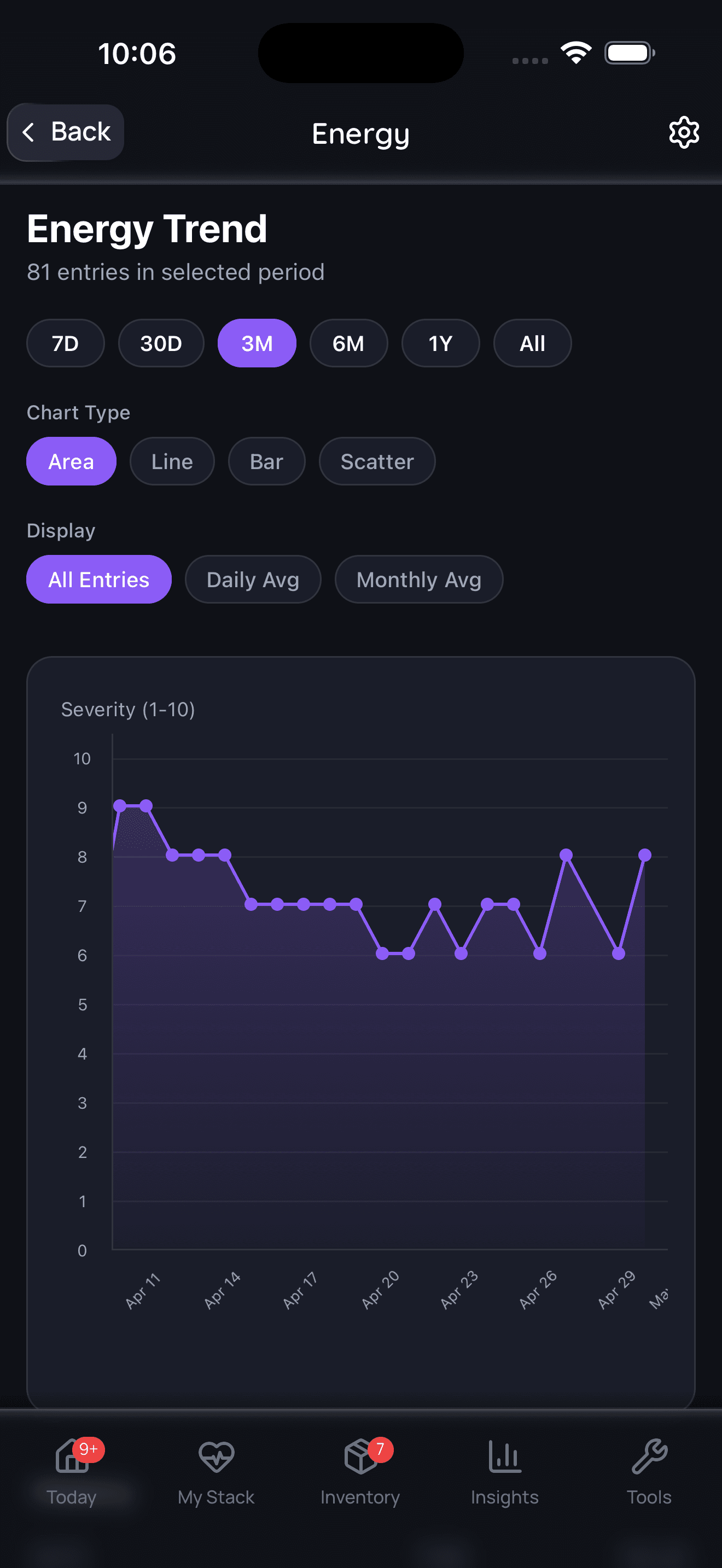
Symptom tracking is informational and should be interpreted with a qualified clinician.
Dosing & Usage Protocols
The Basics
Dosing betaine HCl is unlike dosing most supplements. There is no universal recommended dose because the right amount depends entirely on how much acid your stomach is already producing on its own. The widely used approach involves starting low and gradually increasing until you feel a mild warmth or tingling in your stomach, then backing off by one dose.
Most betaine HCl capsules contain between 325 and 650 mg. Commonly cited dose ranges from practitioners fall between 600 and 2,400 mg per meal, with the understanding that larger meals (especially protein-heavy ones) require more acid than smaller meals. Some integrative practitioners have reported patients titrating up to 3,000 mg or more per meal before experiencing the warmth signal, though such doses should only be used under clinical supervision [1][3].
A few important practical notes: betaine HCl should always be taken with food, specifically meals containing protein. Taking it on an empty stomach can cause discomfort or damage. The capsules should be swallowed whole, never opened or crushed, because the acid can damage tooth enamel and irritate the esophagus. And if you experience rapid improvement and start feeling warmth at doses that previously felt fine, it may mean your stomach's own acid production is recovering [1].
The Science
Published dosing data:
Clinical pharmacokinetic studies have used standardized doses of 1,500 mg (two capsules of 750 mg each), which achieved rapid and complete gastric re-acidification in PPI-treated subjects [8][12][13]. This dose was effective in the fasted state but showed attenuated effect with food, suggesting higher doses may be warranted for larger meals.
Empirical titration protocol (from Guilliams & Drake 2020):
- Begin with 1 capsule (350-750 mg) with a protein-containing meal of at least 500 kcal
- If no warmth, burning, or discomfort, increase to 2 capsules at subsequent meals
- Increase by 1 capsule every 2 days until warmth or discomfort is noted
- Reduce by 1 capsule from the dose that produced discomfort
- Maximum recommended dose: 3,000 mg per meal
- Smaller meals require proportionally less betaine HCl
- If discomfort occurs at any dose, neutralize with 1 tsp baking soda in water or milk [1]
This protocol has not been validated in a controlled clinical trial but is widely used in integrative and functional medicine practice.
Dose-timing considerations:
Based on the Faber et al. (2017) data, taking betaine HCl just before or at the start of a meal, rather than 10 minutes after meal onset, may provide better re-acidification [12]. The gastric pH dynamics suggest that delivering the acid before the full buffering capacity of the meal is present optimizes the acidification window.
When your stack includes several supplements, each with its own dose, form, and timing requirements, the logistics alone can derail consistency. Doserly consolidates all of it into one protocol view, so every dose across your entire routine is accounted for without spreadsheets or guesswork.
The app also tracks cumulative intake for nutrients that appear in multiple products. If your multivitamin, standalone supplement, and fortified protein shake all contain the same nutrient, Doserly adds them up and shows you the total alongside recommended and upper limits. Managing a thoughtful supplement protocol shouldn't require a degree in nutrition science. The app handles the complexity so you can focus on staying consistent.
Track injection timing, draw notes, and site rotation.
Doserly helps keep syringe-related notes, injection site history, reminders, and reconstitution context together for easier review.
Injection log
Site rotation
Injection logs support record-keeping; follow clinician instructions for administration.
What to Expect (Timeline)
Week 1-2: If betaine HCl is appropriate for you (meaning you have low stomach acid), some users report noticing improvements in digestive comfort within the first few meals. Reduced post-meal bloating, less sensation of food "sitting" in the stomach, and improved motility are among the earliest reported changes. This is also the period for titrating the dose upward using the protocol described above [1].
Week 3-4: With consistent use, improvements in protein digestion may become more apparent. Some users report increased appetite (because food is moving through the stomach more efficiently), reduced reflux symptoms, and fewer episodes of gas or bloating after meals. Energy levels may begin to improve as nutrient absorption normalizes [1][2].
Month 2-3: For individuals with nutrient deficiencies secondary to hypochlorhydria, laboratory markers such as iron, ferritin, vitamin B12, and folate may begin to improve with consistent supplementation and dietary attention. Some practitioners report that patients can begin to reduce their betaine HCl dose during this period, as endogenous acid production may partially recover once contributing factors are addressed [1][2].
Month 3+: Some users find they can discontinue betaine HCl entirely if the underlying cause of their hypochlorhydria has been addressed (for example, if an H. pylori infection has been treated, or if PPI medications have been discontinued under medical supervision). Others may need ongoing supplementation, particularly those with age-related decline in gastric acid production or autoimmune atrophic gastritis [2].
Important caveat: Betaine HCl is not expected to produce any noticeable timeline of effects in individuals with normal stomach acid production. It is a targeted intervention for a specific condition, not a general wellness supplement.
Interactions & Compatibility
Synergistic
- Pepsin: Pepsin is the enzyme that breaks down proteins in the stomach. It requires an acidic environment (pH < 2) to activate. Combining betaine HCl with pepsin provides both the acid and the enzyme, making this the most common and widely recommended combination product.
- Zinc: Zinc is required for the proper function of parietal cells (the stomach cells that produce hydrochloric acid). Some practitioners report that zinc supplementation (10-30 mg daily) can help restore endogenous acid production over time, potentially reducing the need for betaine HCl. Community reports support this observation.
- Vitamin B12: Gastric acid is required to release protein-bound vitamin B12 from food. Restoring stomach acid may improve B12 absorption from dietary sources.
- Iron: Gastric acid facilitates the reduction of non-heme iron (Fe3+ to Fe2+), improving its absorption. People with hypochlorhydria-related iron deficiency may benefit from concurrent acid restoration.
- Calcium: Calcium salt solubility is pH-dependent. Adequate stomach acid improves calcium absorption from food and supplements.
- Vitamin B9: Folic acid absorption has been shown to improve with correction of gastric atrophy-related hypochlorhydria [7].
- Digestive Bitters (Gentian root): Some combination products include gentian bitters, which may indirectly stimulate endogenous digestive secretions, though clinical evidence for this in humans is limited [1].
Caution / Avoid
- NSAIDs (Aspirin, Ibuprofen, Naproxen): NSAIDs compromise the gastric mucosal barrier. Adding exogenous acid via betaine HCl increases the risk of gastric ulceration and bleeding. Do not combine [3].
- Corticosteroids (Prednisone, Dexamethasone): Similar to NSAIDs, corticosteroids can weaken the stomach lining. Avoid concurrent use with betaine HCl [3].
- Proton Pump Inhibitors (Omeprazole, Esomeprazole, etc.): While betaine HCl has been studied specifically in PPI-treated subjects and appears safe in that context, the interaction is complex. PPIs suppress endogenous acid production; betaine HCl temporarily restores it. The combination should only be used under clinical supervision, and ideally as part of a strategy to taper off PPIs rather than as indefinite concurrent use [1][8].
- H2 Receptor Blockers (Ranitidine, Famotidine): These medications reduce stomach acid production. Similar considerations as PPIs apply.
- Thyroid Hormones (Levothyroxine, Liothyronine): Betaine HCl may increase the absorption of thyroid hormones by restoring normal gastric pH. Thyroid hormone dosing may need adjustment under medical supervision [3].
- Antacids (Calcium Carbonate, Aluminum Hydroxide): Antacids are designed to neutralize stomach acid. Taking them with betaine HCl is counterproductive, as they will neutralize the supplemental acid.
How to Take / Administration Guide
Betaine HCl is taken orally as capsules or tablets with meals. The following guidelines reflect common practitioner recommendations and product labeling:
Timing: Take betaine HCl at the beginning of a meal or with the first few bites of food. This allows the acid to be present in the stomach as food arrives, optimizing the digestive window. Some sources suggest taking it just before the meal may be preferable to taking it mid-meal or after [1][12].
Meal requirements: Always take with a meal containing protein. The protein stimulates pepsinogen release from chief cells, and the acid from betaine HCl activates that pepsinogen to pepsin. Taking betaine HCl without protein-containing food is less effective and may increase the risk of stomach discomfort [1].
Swallow capsules whole: Never open capsules, crush tablets, or dissolve betaine HCl in beverages. The acid can damage tooth enamel and irritate the esophagus. If you have difficulty swallowing capsules, this supplement may not be appropriate for you [1].
Dose adjustment by meal size: Smaller meals and snacks require less or no betaine HCl. The titration protocol is designed around substantial protein-containing meals (500+ kcal). A light snack or fruit does not warrant supplementation [1].
If burning occurs: If you experience warmth, burning, or tingling in the stomach after taking betaine HCl, stop taking it with the current meal. You can neutralize the acid by drinking a solution of 1 teaspoon of baking soda dissolved in water or a glass of milk. Reduce the dose at subsequent meals [1].
Cycling and discontinuation: Betaine HCl is not typically cycled. It is used as needed with meals for as long as hypochlorhydria persists. Some individuals find they can gradually reduce and eventually discontinue the supplement, particularly if the underlying cause of low acid production has been addressed. If you notice burning at doses that previously felt fine, this may indicate your stomach is producing more acid on its own [1][2].
Choosing a Quality Product
When selecting a betaine HCl product, consider the following quality markers:
Dosage per capsule: Products typically provide 325-650 mg of betaine HCl per capsule. Lower-dose capsules (325 mg) offer more precise titration, while higher-dose capsules (650 mg) are convenient for those who have established their needed dose.
Pepsin inclusion: Combination products containing both betaine HCl and pepsin are generally preferred by practitioners, as they provide both the acid and the proteolytic enzyme. Look for pepsin standardized to a specific activity level (e.g., 1:10,000 or 1:3,000 activity units).
Third-party testing: As with all supplements, look for products tested by independent laboratories. GMP (Good Manufacturing Practices) certification is a minimum standard. USP Verified or NSF Certified products provide additional assurance of identity, purity, and potency.
Excipients and fillers: High-quality products minimize unnecessary fillers, binders, and coatings. Common acceptable excipients include cellulose, silica, and magnesium stearate. Some products use plant-derived capsule shells (hypromellose) for vegetarian compatibility.
Porcine-derived pepsin note: Standard pepsin is derived from porcine (pig) gastric mucosa. This is relevant for individuals with dietary restrictions based on religious observance (halal, kosher) or vegetarian/vegan preferences. Some products use acid-stable plant-based proteases as alternatives, though these may have different enzymatic properties.
Allergen considerations: Check labels for common allergens. Some products may contain corn-derived ingredients. Many quality manufacturers produce betaine HCl free from gluten, dairy, and soy.
Red flags: Avoid products making specific disease treatment claims (e.g., "cures GERD" or "treats SIBO"), products with proprietary blends that do not disclose the amount of betaine HCl per capsule, and products that combine betaine HCl with large numbers of other ingredients that make it difficult to assess tolerance.
Storage & Handling
Store betaine HCl in a cool, dry place at room temperature (59-77 F / 15-25 C) with 35-65% relative humidity. Keep the container tightly sealed when not in use. Protect from excessive heat and moisture.
Betaine HCl is relatively stable when stored properly. Unlike probiotics or certain oils, it does not require refrigeration. However, because it is acidic in nature, moisture exposure could compromise capsule integrity over time.
Keep out of reach of children. Do not remove capsules from their original container into pill organizers that may not have adequate moisture protection. If a capsule appears damaged, discolored, or has an unusual odor, discard it.
Lifestyle & Supporting Factors
Several dietary and lifestyle practices can complement or reduce the need for betaine HCl supplementation:
Eat protein first: Starting meals with the protein component stimulates the cephalic phase of gastric acid secretion, priming the stomach to produce acid before the bulk of food arrives [2].
Chew thoroughly: Mechanical breakdown of food in the mouth reduces the digestive burden on the stomach. Slower, more thorough chewing also triggers more robust cephalic acid secretion.
Manage meal size: Large meals require more gastric acid. Eating smaller, more frequent meals may reduce the demand on a compromised acid-producing system [2].
Address zinc status: Zinc is a cofactor for carbonic anhydrase, the enzyme involved in gastric acid production by parietal cells. Ensuring adequate zinc intake (from oysters, beef, pumpkin seeds, or supplementation of 10-30 mg daily) may support endogenous acid production.
Hydrate between meals: Drinking large volumes of liquid with meals dilutes stomach acid. Some practitioners recommend waiting 30 minutes after eating before drinking significant amounts of fluid [2].
Limit chronic PPI use: Proton pump inhibitors are the most significant modifiable cause of hypochlorhydria. If PPI use is driving low stomach acid, discuss with a healthcare provider whether a supervised taper is appropriate [1][2].
Reduce chronic stress: Prolonged, severe stress can impair vagal tone and reduce gastric acid secretion. Stress management practices that support parasympathetic nervous system function (the "rest and digest" state) may indirectly support stomach acid production [2].
Dietary sources of betaine (TMG): While dietary betaine does not directly replace the HCl component, adequate betaine intake from beets, spinach, quinoa, and whole grains supports methylation pathways. The average Western diet provides approximately 100-300 mg of TMG daily [5].
Regulatory Status & Standards
United States (FDA): Betaine HCl is classified as a dietary supplement under DSHEA. It was previously available as an OTC drug (stomach acidifier/digestive aid) but was removed from OTC drug status in 1993 due to insufficient evidence meeting drug approval standards. It remains legally sold as a dietary supplement without FDA pre-market approval for efficacy. It is distinct from betaine anhydrous (Cystadane), which is an FDA-approved prescription drug for homocystinuria [3].
Canada (Health Canada): Betaine HCl is available as a natural health product (NHP). Products require a Natural Product Number (NPN) and must comply with Health Canada's Natural Health Products Regulations.
European Union (EFSA): Betaine (TMG) has been assessed by EFSA for health claims related to homocysteine metabolism. Betaine HCl as a digestive aid does not have specific EFSA-authorized health claims.
Australia (TGA): Betaine HCl may be available as a listed medicine under the TGA's complementary medicine regulations.
Athlete & Sports Regulatory Status:
Betaine HCl is not a performance-enhancing supplement and is not listed on the WADA Prohibited List. It is not a substance of concern for athletes from a doping perspective. However, as with all supplements, athletes should choose products with third-party certification (Informed Sport, NSF Certified for Sport) to minimize the risk of contamination with prohibited substances.
Regulatory status and prohibited substance classifications change frequently. Athletes should always verify the current status of any supplement with their sport's governing body, their national anti-doping agency, and a qualified sports medicine professional before use. Third-party certification (Informed Sport, NSF Certified for Sport) reduces but does not eliminate the risk of contamination with prohibited substances.
Frequently Asked Questions
Q: How do I know if I have low stomach acid?
A: Low stomach acid (hypochlorhydria) can present with symptoms including bloating after meals, heartburn or reflux, undigested food in stool, constipation or diarrhea, and over time, symptoms of nutritional deficiencies such as fatigue, hair loss, and brittle nails. Reliable diagnosis requires medical testing such as the Heidelberg pH test, SmartPill test, or gastric string test. At-home tests like the baking soda test are not considered reliable diagnostic tools. Consult a healthcare provider for proper evaluation [2].
Q: Can betaine HCl cause stomach ulcers?
A: Betaine HCl can irritate the stomach lining and contribute to gastritis (stomach inflammation), particularly when taken without food, at excessive doses, or by individuals who do not actually have low stomach acid. It is contraindicated in people with active peptic ulcers. Prolonged misuse could theoretically increase ulcer risk, though this has not been formally studied [1][3].
Q: Is betaine HCl the same as TMG (trimethylglycine)?
A: No. While both contain the trimethylglycine molecule, they serve different purposes. Betaine anhydrous (TMG) is used as a methyl donor for homocysteine metabolism and is being studied for exercise performance and liver health. Betaine HCl is used as a supplemental source of hydrochloric acid for digestive support. Confusion between these two compounds has led to documented medication errors [1][5].
Q: Can I take betaine HCl while on a PPI (proton pump inhibitor)?
A: Clinical studies have used betaine HCl safely in PPI-treated subjects. However, the combination requires medical supervision. PPI medications suppress acid production; betaine HCl temporarily restores it. The two are working at cross purposes, and ideally the situation should be resolved (e.g., PPI taper) rather than managed indefinitely with both agents [1][8].
Q: How much betaine HCl should I take?
A: Based on available data, commonly reported ranges are 325-2,400 mg per meal, with most practitioners starting patients at one capsule (325-650 mg) and titrating upward. The appropriate dose varies by individual and by meal size. Consult a healthcare professional for guidance specific to your situation [1][3].
Q: Can I take betaine HCl with digestive enzymes?
A: Many betaine HCl products already include pepsin (a digestive enzyme). Additional digestive enzymes (lipase, amylase, protease) can be taken alongside betaine HCl. Combination products featuring betaine HCl, pepsin, and ox bile or gentian bitters are available and commonly used [1].
Q: Is it safe to take betaine HCl long-term?
A: Long-term safety data from controlled trials are not available. Many practitioners and users report taking betaine HCl for months to years without adverse effects. However, the goal in most cases is to address the underlying cause of low stomach acid so that supplementation can eventually be reduced or discontinued [1][2].
Q: Can betaine HCl help with acid reflux?
A: Paradoxically, some practitioners report that betaine HCl helps certain reflux patients, specifically those whose reflux is caused by too little stomach acid rather than too much. The theory is that low acid leads to poor digestion, gas production, and upward pressure on the lower esophageal sphincter. However, this approach is not supported by controlled clinical trials and should only be attempted under medical supervision [2][3].
Q: Who should NOT take betaine HCl?
A: Betaine HCl should be avoided by anyone with active peptic ulcer disease, gastritis, erosive esophagitis, or Zollinger-Ellison syndrome. People taking NSAIDs, corticosteroids, or blood-thinning medications should also avoid it. Pregnant or nursing women should consult a healthcare provider before use [1][3].
Q: Does betaine HCl interact with thyroid medication?
A: Potentially. Betaine HCl may increase the absorption of thyroid hormones (levothyroxine, liothyronine) by restoring normal gastric pH. If you take thyroid medication and begin betaine HCl, your healthcare provider may need to monitor thyroid levels and adjust your dose [3].
Myth vs. Fact
Myth: Everyone over 50 needs betaine HCl because stomach acid production declines with age.
Fact: While age-related decline in gastric acid secretion is real and increasingly prevalent, it is not universal. Research shows that approximately 10-16% of healthy elderly Americans have clinically significant fasting hypochlorhydria, not a majority [14][15]. Many older adults produce adequate stomach acid. Blanket supplementation without assessment is not supported by evidence and carries risk of harm [1].
Myth: The baking soda test is a reliable way to diagnose low stomach acid at home.
Fact: The baking soda test (drinking baking soda in water and timing how long it takes to burp) is widely shared on the internet but has never been validated in clinical research. Multiple factors affect burping, including swallowed air, stomach volume, and individual physiology. Medical tests (Heidelberg pH capsule, SmartPill, gastric string test) are the only reliable diagnostic methods [2].
Myth: If betaine HCl doesn't cause burning, you definitely have low stomach acid.
Fact: The absence of a burning sensation after taking betaine HCl does not conclusively prove hypochlorhydria. Some individuals with a healthy, intact stomach lining may tolerate exogenous acid without discomfort even with normal acid levels. This titration method is a clinical heuristic, not a validated diagnostic test [1].
Myth: Betaine HCl is the same thing as TMG (betaine) supplements used for exercise performance.
Fact: These are chemically and clinically distinct compounds. Betaine HCl is an acid source for digestive support. TMG (betaine anhydrous/trimethylglycine) is a methyl donor used for homocysteine reduction and investigated for exercise performance at doses of 2.5-6 g/day. Confusing them can lead to medication errors [1][5].
Myth: Taking betaine HCl will permanently fix low stomach acid.
Fact: Betaine HCl is a temporary acid replacement, not a cure. It does not stimulate your parietal cells to produce more acid. In some cases, addressing the underlying cause (H. pylori treatment, PPI discontinuation, stress reduction, zinc repletion) may allow natural acid production to recover, at which point betaine HCl can potentially be tapered. But the supplement itself does not restore acid-producing capacity [1][2].
Myth: Heartburn always means you have too much stomach acid.
Fact: Heartburn can be caused by either excess or insufficient stomach acid. Low stomach acid can lead to incomplete digestion, gas production, increased intra-abdominal pressure, and reflux of even small amounts of acid into the esophagus, producing symptoms indistinguishable from hyperacidity. Proper diagnosis requires testing, not symptom-based assumptions [2][3].
Myth: You can take as much betaine HCl as you want because it's natural.
Fact: Betaine HCl is hydrochloric acid in supplement form. Excessive doses can cause gastric mucosal damage, gastritis, and potentially ulceration. Doses should be carefully titrated, and the maximum commonly recommended dose is 3,000 mg per meal. Even at appropriate doses, it is not suitable for everyone [1][3].
Sources & References
Clinical Trials & Pharmacokinetic Studies
[1] Guilliams TG, Drake LE. Meal-Time Supplementation with Betaine HCl for Functional Hypochlorhydria: What is the Evidence? Integr Med (Encinitas). 2020;19(1):32-36. PMC7238915.
[8] Yago MR, Frymoyer AR, Smelick GS, et al. Gastric reacidification with betaine HCl in healthy volunteers with rabeprazole-induced hypochlorhydria. Mol Pharm. 2013;10(11):4032-4037. PMC3946491.
[12] Faber KP, Wu HF, Yago MR, et al. Meal Effects Confound Attempts to Counteract Rabeprazole-Induced Hypochlorhydria Decreases in Atazanavir Absorption. Pharm Res. 2017;34(3):619-628.
[13] Yago MR, Frymoyer A, Benet LZ, et al. The use of betaine HCl to enhance dasatinib absorption in healthy volunteers with rabeprazole-induced hypochlorhydria. AAPS J. 2014;16(6):1358-1365. PMC4389759.
Observational Studies & Reviews
[2] Cleveland Clinic. Hypochlorhydria (Low Stomach Acid): Symptoms, Tests, Treatment. Last updated 06/27/2022.
[3] PeaceHealth Health Information Library. Betaine Hydrochloride. Last review: 05-24-2015.
[5] Examine.com Research Team. Betaine (Trimethylglycine). Last updated August 28, 2025.
[9] Untersmayr E, Jensen-Jarolim E. The role of protein digestibility and antacids on food allergy outcomes. J Allergy Clin Immunol. 2008;121(6):1301-1308.
[14] Russell TL, Berardi RR, Barnett JL, et al. Upper gastrointestinal pH in seventy-nine healthy, elderly, North American men and women. Pharm Res. 1993;10(2):187-196.
[15] Dressman JB, Berardi RR, Dermentzoglou LC, et al. Upper gastrointestinal (GI) pH in young, healthy men and women. Pharm Res. 1990;7(7):756-761.
Government / Institutional Sources
[4] National Center for Biotechnology Information. PubChem Compound Summary: Betaine hydrochloride. CID 11545.
[6] Hirschowitz BI. Pepsinogen. Postgrad Med J. 1984;60(709):743-750.
[7] Kassarjian Z, Russell RM. Hypochlorhydria: a factor in nutrition. Annu Rev Nutr. 1989;9:271-285.
[10] McDonald EG, Milligan J, Frenette C, Lee TC. Continuous Proton Pump Inhibitor Therapy and the Associated Risk of Recurrent Clostridium difficile Infection. JAMA Intern Med. 2015;175(5):784-791.
[11] Lever M, Slow S. The clinical significance of betaine, an osmolyte with a key role in methyl group metabolism. Clin Biochem. 2010;43(9):732-744.
Historical / Preliminary Evidence
[16] Gillespie M. Hypochlorhydria in asthma with specific reference to the age incidence. Q J Med. 1935;4:397-405.
[17] Kokkonen J, Simila S, Herva R. Impaired gastric function in children with cow's milk intolerance. Eur J Pediatr. 1979;132:1-6.
Related Supplement Guides
Same Category
Common Stacks / Pairings
- Zinc — supports endogenous gastric acid production
- Vitamin B12 — absorption improved by restored stomach acid
- Iron — non-heme iron absorption is pH-dependent
- Calcium — calcium salt solubility requires acid environment
- Vitamin B9 — folate absorption linked to gastric pH
- L-Glutamine — gut lining support
Related Health Goal
- Probiotics — gut microbiome support
- Ginger — digestive motility support